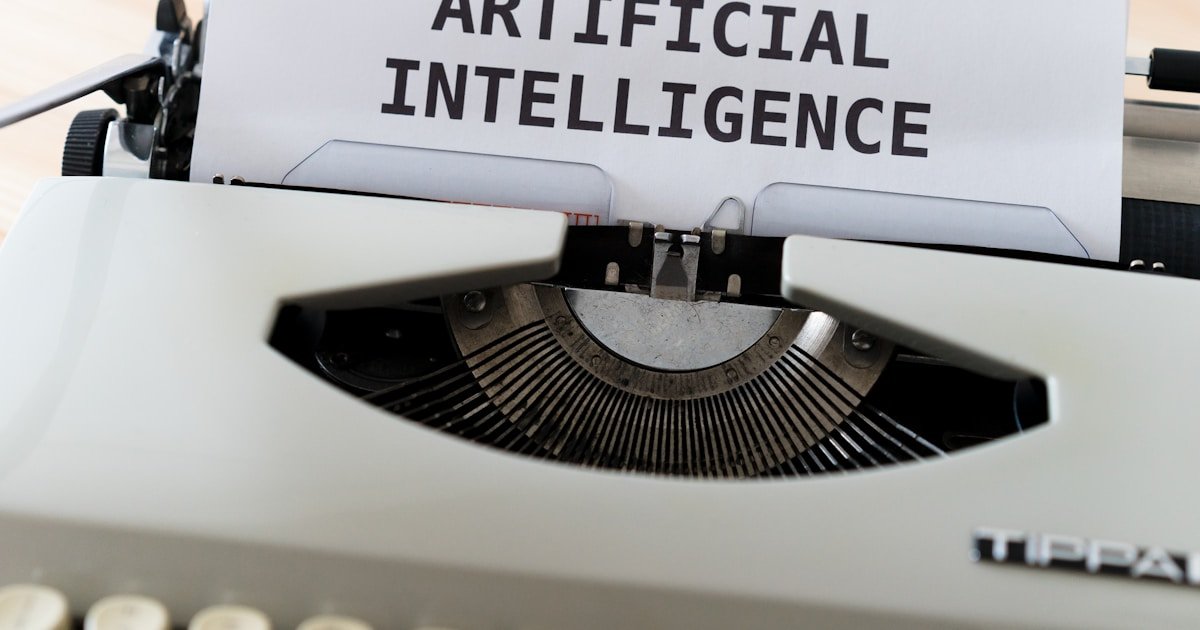

Artificial intelligence (AI) has the potential to revolutionize many aspects of our lives, including conflict resolution. AI can be used to analyze large amounts of behavioral and contextual data, identify patterns, and develop solutions that would be difficult or impossible for humans to come up with on their own. This could be especially useful in the Israeli-Palestinian conflict, which is one of the most complex and intractable conflicts in the world.

There are a number of ways that AI could be used to help resolve the Israeli-Palestinian conflict. For example, AI could be used to:
Analyze historical data and identify potential areas of compromise.
AI could be used to analyze historical data on the conflict, including maps, documents, and interviews with witnesses and experts. This data could be used to identify potential areas of compromise, such as land swaps or shared sovereignty arrangements.
Develop a better understanding of the underlying causes of the conflict.
AI could be used to analyze social media data, news articles, and other sources of information to develop a better understanding of the underlying causes of the conflict. This could help to identify ways to address the root causes of the conflict and build a more sustainable peace.
Create a more inclusive and transparent negotiation process.
AI could be used to create a more inclusive and transparent negotiation process by translating languages, providing real-time feedback, and identifying potential biases. This could help to build trust and understanding between the two sides and make it easier to reach a mutually agreeable solution.
Of course, there are also some potential risks associated with using AI in conflict resolution. For example, AI could be used to manipulate public opinion, spread disinformation, or develop new weapons systems. It is important to be aware of these risks and to develop safeguards to mitigate them.
Overall, the potential benefits of using AI in conflict resolution outweigh the risks, especially as organizations explore responsible AI adoption across global decision-making systems. AI has the potential to help us to better understand the causes of conflict, develop more effective solutions, and build a more sustainable peace.
In the case of the Israeli-Palestinian conflict, AI could be used to help the two sides to reach a mutually agreeable solution by:
Analyzing historical data and identifying potential areas of compromise.
AI could be used to analyze historical data on the conflict, including maps, documents, and interviews with witnesses and experts. This data could be used to identify potential areas of compromise, such as land swaps or shared sovereignty arrangements.
Developing a better understanding of the underlying causes of the conflict.
AI could be used to analyze social media data, news articles, and other sources of information to develop a better understanding of the underlying causes of the conflict. This could help to identify ways to address the root causes of the conflict and build a more sustainable peace.
Creating a more inclusive and transparent negotiation process.
AI could be used to create a more inclusive and transparent negotiation process by translating languages, providing real-time feedback, and identifying potential biases. This could help to build trust and understanding between the two sides and make it easier to reach a mutually agreeable solution.
It is important to note that AI is not a magic bullet. It cannot solve the Israeli-Palestinian conflict on its own. However, AI can be a valuable tool for helping the two sides to reach a mutually agreeable solution.International organizations have increasingly explored this intersection of technology and peacebuilding, as discussed in research initiatives by the World Economic Forum.
Conclusion
📚 Further Reading
AI has the potential to play a significant role in conflict resolution. AI can be used to better understand the causes of conflict, develop more effective solutions, and build a more sustainable peace. In the case of the Israeli-Palestinian conflict, AI could be used to help the two sides to reach a mutually agreeable solution by analyzing historical data, developing a better understanding of the underlying causes of the conflict, and creating a more inclusive and transparent negotiation process.
It is important to use AI responsibly in conflict resolution. AI should not be used to manipulate public opinion, spread disinformation, or develop new weapons systems. Safeguards should be developed to mitigate the potential risks of using AI in conflict resolution.