
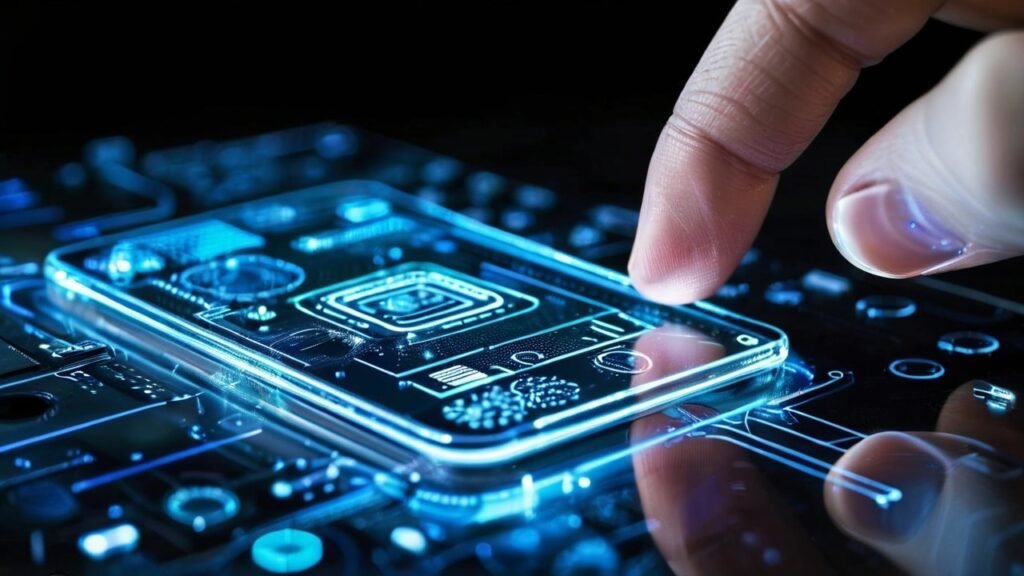
Introduction to Non-Electric Touchpads
The evolution of touch technology has fundamentally transformed the way users interact with electronic devices. Among the most significant innovations in this realm is the non-electric touchpad, a groundbreaking advancement that operates without the need for electrical power. This technology utilizes innovative principles of touch sensitivity and motion detection to provide a responsive user experience, setting it apart from traditional electric touchpads.
Non-electric touchpads are designed to sense physical pressure or gestures, enabling seamless interaction with various devices, including computers, tablets, and appliances. By employing mechanical or acoustic principles, these touchpads offer an energy-efficient alternative to their electric counterparts, presenting a unique advantage in situations where electricity may be limited or unavailable. As the demand for sustainable and eco-friendly solutions grows, the non-electric touchpad stands out as a practical choice in the technology landscape.
The significance of non-electric touchpads extends beyond mere usability; they offer a wide array of applications across diverse fields. From aiding individuals with disabilities by creating more accessible user interfaces to transforming industrial equipment with touch activation capabilities, the implications of this technology are profound. Furthermore, the rise of smart home devices has opened new doors for non-electric touchpads, enabling intuitive control mechanisms that integrate into everyday objects without complicating the overall design.
In the context of the rapid advancement of sensor technology, the innovation of non-electric touchpads reflects a broader trend toward more efficient, user-friendly, and versatile tools. The potential to revolutionize how we interact with various devices and environments showcases the importance of exploring innovative approaches to touch technology. By understanding the mechanics and applications of non-electric touchpads, we can appreciate their role in enhancing our interaction with the technological world around us.
The Technology Behind the Non-Electric Touchpad

The non-electric touchpad represents an innovative leap in touch technology, operating based on the principles of pneumatics rather than traditional electronic circuitry. At the core of its functionality lies a network of pneumatic channels that respond to physical interactions, allowing the touchpad to detect different parameters such as force, area, and location of contact. This system distinguishes itself by its clever use of air pressure variations within these channels, turning mechanical pressure from a user’s touch into actionable input.
When a user presses down on the touchpad surface, they create localized changes in air pressure within the embedded pneumatic channels. These changes are then analyzed to determine the specific attributes of the touch: the intensity of the applied force, the size of the contact area, and the precise location of the interaction. This information is processed through an integrated system that interprets the data and converts it into commands, eliminating the need for electrical components. Such an approach not only improves energy efficiency but also enhances durability, as there are fewer electronic parts that can deteriorate over time.
The scientific principles that govern the operation of this touchpad are derived from classic fluid mechanics and pressure dynamics. Utilizing Pascal’s Principle, which states that pressure applied to a confined fluid transmits equally in all directions, the non-electric touchpad skillfully employs this ideology. Its design allows for an intuitive interaction model that can be easily adapted for various applications, from consumer electronics to industrial machinery. As industries increasingly prioritize sustainability and efficiency, the non-electric touchpad emerges as a compelling alternative that harmonizes functionality with environmental consciousness.
Applications in Extreme Conditions
The advent of non-electric touchpad technology has opened new avenues for its application in extreme conditions where traditional electronic devices are rendered ineffective. High electromagnetic environments, such as those found in MRI rooms, are prime examples of settings that benefit from the integration of this innovative touch technology. MRI machines operate by generating strong magnetic fields, which can interfere with the functionality of electronic devices. Non-electric touchpads, however, offer a unique solution, as they are not susceptible to such interference, allowing for seamless operation without the risk of device malfunction.
In addition to medical applications, non-electric touchpads are also suitable for use in environments with extreme temperatures or hazardous materials, such as chemical plants and oil rigs. In these scenarios, electronic devices may experience failure due to heat, dust, or corrosive substances, leading to safety concerns and potential downtimes. Non-electric touchpads, being robust and resilient, enhance safety and operational reliability in these harsh settings. Their ability to function effectively without power sources makes them particularly advantageous in emergency situations, where quick and reliable communication is critical.
Furthermore, non-electric touch technology can significantly increase efficiency in remote operations. For instance, when researchers conduct fieldwork in isolated locations, they often encounter challenges in using conventional electronic devices due to limited power sources or connectivity issues. Non-electric touchpads provide a straightforward and effective method to interact with equipment and systems in such settings, facilitating data collection and analysis without relying on traditional electronics.
Overall, the implementation of non-electric touchpads in extreme conditions has the potential to revolutionize operations by enhancing safety, reliability, and efficiency. As industries continue to seek innovative solutions to address the challenges posed by harsh environments, the adoption of this cutting-edge technology will play a pivotal role in advancing various applications.
Benefits for Soft Robotics and Rehabilitation Aids
🚀 A Square Solutions
We specialise in AI Deployment & Workflow Automation — helping businesses scale through AI and intelligent digital systems.
Frequently Asked Questions
What is Introduction to Non-Electric Touchpads?
The evolution of touch technology has fundamentally transformed the way users interact with electronic devices.
What is The Technology Behind the Non-Electric Touchpad?
The non-electric touchpad represents an innovative leap in touch technology, operating based on the principles of pneumatics rather than traditional electronic circuitry.
What is Applications in Extreme Conditions?
The advent of non-electric touchpad technology has opened new avenues for its application in extreme conditions where traditional electronic devices are rendered ineffective.
What is Benefits for Soft Robotics and Rehabilitation Aids?
2026 Strategic Resources: Data Centres The Backbone Of Modern Society As Vital As The Nhs And Power Grid Must Read Non Fiction Books That Explore Ais Impact On Society Telefonicas Wayra Backs Ai Answer Engine Perplexity .
Sources: MIT Technology Review | TechCrunch
💬 Questions about this topic?
Use the 🤖 Ask Our AI widget (bottom-right) — instant answers, 24/7.