

Introduction to Language Agents and Large Language Models
Language agents are emerging components that significantly impact the functionality of large language models (LLMs). These sophisticated models are engineered to comprehend and produce human-like text, utilizing advanced techniques such as deep learning and natural language processing (NLP). By leveraging vast datasets, LLMs can generate coherent and contextually relevant responses, making them invaluable tools across various industries.
Large language models are pivotal in transforming several fields, including customer service, content creation, education, and entertainment. Their ability to engage in human-like conversations has revolutionized customer interactions, making automated responses more seamless and effective. In creative writing, LLMs assist authors by suggesting ideas, generating outlines, or even composing entire drafts, thus enhancing the overall creative process. Moreover, in the educational sector, these models can provide personalized tutoring and resources, adapting to individual learning styles and needs.
As language agents evolve, they aim to enhance the efficiency and performance of LLMs significantly. Language agents serve as intermediaries that improve task-specific operations by effectively managing input and output in contextually appropriate manners. By focusing on integrating language agents, researchers and developers can tailor LLMs to better specific applications. This approach not only optimizes the models’ capabilities but also ensures a higher level of interaction quality, ultimately catering to the diverse demands of users.
Understanding the relationship between language agents and LLMs is crucial for harnessing the potential of these technologies. By exploring this integration, we can anticipate further advancements in the realm of language processing. The following sections will delve deeper into the specific roles language agents play in enhancing the performance and efficiency of these models, illustrating the profound implications for various applications.
You may also explore our detailed analysis on agentic AI systems and autonomous decision-making technologies, which explains how AI agents are transforming intelligent automation.
Understanding Language Agents
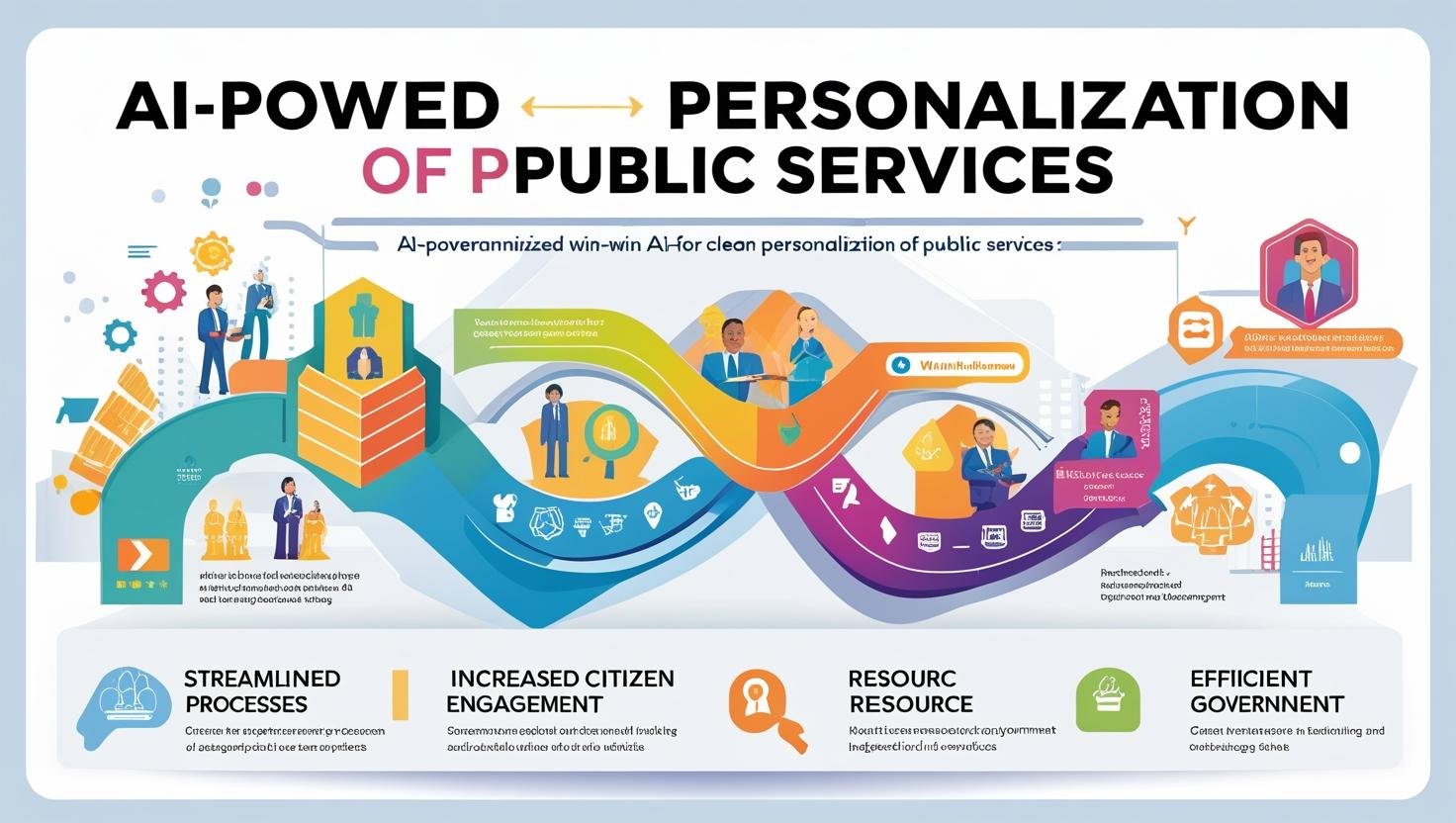
Language agents are sophisticated software entities designed to interpret, process, and generate human language effectively. Their primary purpose is to serve as intermediaries between humans and machines, enabling clearer communication and understanding. As technology has evolved, the role of language agents has expanded significantly, showcasing their ability to enhance the efficiency and performance of various applications.
There are two main categories of language agents: rule-based systems and those that utilize machine learning algorithms. Rule-based systems operate on explicitly defined grammatical, syntactic, and semantic rules. These systems are particularly effective in environments where the scope of language use is limited and predictable, providing accurate responses based on a predetermined set of guidelines. Rule-based language agents are often used in simple tasks such as automated customer service responses or basic language translation, where the context and variations in language use can be relatively confined.
On the other hand, language agents leveraging machine learning exhibit a higher degree of sophistication. These systems are trained on vast datasets, enabling them to learn patterns and nuances within languages over time.
For academic research on natural language processing and language models, visit Association for Computational Linguistics (ACL).
They can adapt to various linguistic contexts and user preferences, making machine learning language agents more versatile in handling complex interactions. This adaptability allows them to manage ambiguous or varied language input effectively, resulting in improved user experiences across applications such as virtual assistants, chatbots, and content generation tools.
In their role, language agents greatly enhance the understanding and processing of human language by recognizing context, sentiment, and intent. By facilitating smoother interactions between users and technology, these agents are crucial in overcoming language barriers, resulting in more efficient communication. As the capabilities of language models continue to advance, the significance of language agents in optimizing and fine-tuning language interactions remains paramount.
We previously explored how intelligent AI tools are evolving in our article on AI agents replacing traditional software systems.
How Language Agents Enhance Large Language Models
Language agents play a crucial role in the enhancement of large language models (LLMs) by significantly improving their overall efficiency and performance. One of the primary benefits of integrating language agents with LLMs is their ability to facilitate better comprehension of complex language constructs. Language agents function as intermediaries that interpret user intents and contextual nuances, which helps LLMs generate responses that are more aligned with user expectations. Through this interpretive process, language agents can reduce the cognitive load on LLMs, allowing them to focus on producing more accurate and contextually relevant outputs.
Another notable advantage of language agents is their capability to organize thoughts and information more coherently. By structuring data input and output, language agents can streamline the communication process between humans and LLMs. They can determine which elements of a conversation are most pertinent, filtering out extraneous details while retaining essential points. This improved coherence not only enhances the quality of generated text but also enables users to grasp complex ideas more readily, leading to more productive interactions.
Additionally, language agents play a vital role in minimizing misinterpretations during text generation. Misalignment between user queries and LLM responses can result in confusion and frustration. Language agents help mitigate these risks by clarifying ambiguous statements and refining the contextual understanding of the model. For instance, in customer service applications, language agents can accurately relay user inquiries, ensuring that LLMs deliver precise and relevant solutions without misunderstanding customer needs.
Real-world applications demonstrate the collaborative potential of language agents and LLMs across various domains, such as education, healthcare, and content creation. In educational settings, language agents enhance learning experiences by tailoring explanations based on student feedback, while in healthcare, they can assist in processing patient data for more accurate medical advice. Overall, the integration of language agents into LLM frameworks represents a promising advancement, combining the strengths of both technologies to elevate user experience and operational effectiveness.
Cost-Efficiency of Language Agents in LLMs
In recent years, large language models (LLMs) have revolutionized various industries by providing advanced natural language processing capabilities. However, the implementation and operational costs associated with LLMs can be significant, particularly for businesses aiming to integrate these technologies into their workflows. Language agents have emerged as a highly effective solution to improve the cost-efficiency of LLM utilization by optimizing data processing and minimizing redundancies.
Language agents serve as intermediaries that facilitate the interaction between users and LLMs, effectively streamlining the entire process. By intelligently managing the flow of information, these agents can help reduce the computational load on LLMs. For instance, language agents can pre-process user queries, filtering and aggregating data to ensure that only relevant information is sent to the LLM for analysis. This approach not only saves time but significantly lowers the computational resources required, leading to lower operational costs.
Moreover, language agents can identify and eliminate redundant tasks that typically burden LLMs. In many cases, a single LLM may receive similar queries from multiple users, resulting in unnecessary computations. Language agents can recognize these patterns and handle repetitive inquiries before they reach the LLM. By doing so, businesses can maximize the efficiency of their systems, allowing LLMs to focus on complex tasks that require deeper understanding and analysis.
The resulting cost savings can be substantial. By utilizing language agents, organizations can leverage LLMs in a more economical manner, reallocating resources to other strategic initiatives. Ultimately, the integration of language agents into LLM workflows not only enhances performance but also provides a compelling business case for their adoption, making advanced language processing accessible to a broader range of industries.
Our article on Google AI search and its impact on digital marketing also discusses how advanced language models are reshaping modern digital platforms.
Case Studies of Successful Implementations of Language Agents with LLMs
Numerous organizations have embraced language agents in conjunction with large language models (LLMs) to enhance their operational efficiency and overall performance. These case studies illustrate the tangible benefits and potential challenges associated with the integration of these technologies.
One notable example is a leading global customer service provider that implemented a language agent powered by an LLM to assist its customer support representatives. The organization faced challenges such as long response times and an overwhelming volume of inquiries. By integrating a language agent, they experienced a significant reduction in wait times, as the agent could provide real-time answers to . Post-implementation metrics showed an impressive 30% decrease in response time and a 25% increase in customer satisfaction ratings. This case highlights how language agents can effectively streamline customer interactions.
Another case study involves a healthcare company that utilized language agents to assist medical professionals with documentation and patient inquiries. Prior to implementation, clinicians struggled with time-consuming documentation processes, which detracted from patient care. By deploying an LLM-driven language agent, the organization saw a remarkable improvement in documentation efficiency, with the time spent on paperwork reduced by 40%. Moreover, the improved accuracy of patient records led to better decision-making for healthcare providers, ultimately enhancing patient care quality. This example underscores the transformative impact of language agents within specialized industries.
A financial services firm also showcased the successful deployment of language agents for risk assessment and compliance monitoring. By leveraging LLM capabilities to analyze vast amounts of regulatory data, the language agent assisted analysts in identifying potential risks faster than traditional methods. As a result, the firm reported an increase in compliance efficiency, with a 20% reduction in time spent on regulatory analyses. This case demonstrates how integrating language agents can lead to improved analytical capabilities in finance.
These case studies illustrate the versatility and effectiveness of language agents when paired with LLMs, providing valuable insights into the operational benefits they can deliver across various sectors.
Challenges and Limitations of Language Agents
While language agents hold significant promise for enhancing the functionality of large language models (LLMs), their integration is not without challenges and limitations. One pressing issue pertains to compatibility between language agents and existing LLM architectures. As these agents often operate within specific environments and frameworks, ensuring seamless interaction with different models can be complex and resource-intensive. This integration challenge may deter widespread adoption and limit the effectiveness of agents in generating human-like responses.
Moreover, ethical concerns surrounding AI decision-making pose an essential challenge. Language agents often rely on vast amounts of data to function effectively, but this reliance raises questions about data privacy and the potential for bias. If the training data contains biased information, the language agents may perpetuate these biases, leading to unfair or harmful outcomes. This possibility emphasizes the need for rigorous oversight and evaluation processes to maintain the integrity and neutrality of automated outputs.
Another critical consideration is the importance of human oversight in the deployment and utilization of language agents. Despite their advanced capabilities, these agents can generate responses that may be contextually inappropriate or misleading. The lack of human intervention could exacerbate the issue of misinformation and further complicate the communication process. Therefore, integrating these agents into LLMs should not eliminate the necessity of human supervision. Instead, establishing a collaborative approach where human experts validate and refine the outputs of language agents can significantly enhance their reliability and applicability.
In summary, while language agents offer various advantages for improving the efficiency and performance of LLMs, the challenges of compatibility, ethical implications, and the necessity for human oversight must be carefully addressed to leverage their full potential responsibly.
Future Perspectives: The Evolution of Language Agents and LLMs
The future of language agents and large language models (LLMs) is poised for significant advancements, driven by technological innovations and a deeper understanding of natural language processing. One of the key trends anticipated is the continuous improvement of AI algorithms, enabling language agents to process and generate human-like text with greater accuracy and coherence. This evolution will be fueled by the increasing computational power available through more advanced hardware and cloud computing solutions, which will facilitate more complex models capable of understanding nuances in human communication.
Additionally, the integration of multimodal capabilities within language agents is likely to become more prevalent. Future iterations may proficiently combine text, speech, vision, and other data types, resulting in a more holistic understanding of context and meaning. This could enhance applications in various fields, such as education, customer service, and content creation, where communication is enriched through diverse media formats. As language agents become more adept at interpreting and responding to user inputs across multiple modalities, their effectiveness and utility will inherently increase.
Moreover, the societal impact of these advancements cannot be overlooked. Improved language agents and LLMs will facilitate more efficient communication, breaking down language barriers and making information more accessible to diverse populations. This accessibility could promote inclusivity and foster collaboration on a global scale, as language models can support translations and localized content creation, effectively broadening the reach of information dissemination.
As we explore the future of language agents, it is essential to consider the ethical implications of these technologies. Challenges surrounding privacy, misinformation, and bias must be addressed to ensure that advancements benefit society as a whole. Stakeholders must actively engage in discussions and develop frameworks governing the ethical deployment of language agents and LLMs, ensuring that these tools enhance human interaction while safeguarding fundamental values.
You may also read our analysis on AI investment ROI in 2025, which examines how businesses are adopting advanced AI technologies.
Human Touch: The Importance of Empathy in Language Processing
In the realm of language processing, the infusion of empathy and human-like qualities is crucial for enhancing the interaction between humans and machines. The integration of empathy within language agents is not merely a design feature, but a fundamental attribute that enriches communication. Language models that are capable of understanding emotional nuances can significantly improve the quality of interactions, fostering a deeper connection between users and technology.
Empathy allows language agents to recognize and respond to the emotional state of users, tailoring their responses to meet individual needs. This capability can lead to more effective communication outcomes, as these agents can address the users’ emotional context in real-time. For instance, a language agent equipped with empathy could analyze the sentiment of a user’s input and adjust its responses accordingly, thereby creating a more personalized experience. This not only enhances user satisfaction but also validates the emotional concerns of the individual engaging with the technology.
Moreover, the necessity of emotional intelligence in language processing is underscored in scenarios where misunderstandings can lead to unintended consequences. When language agents are equipped with empathy, they can bridge the gap between the mechanical output of machines and the complex tapestry of human emotions. This allows for a smoother interaction, which is essential in fields such as customer service, mental health, and education. By prioritizing emotional understanding, language models can facilitate a dialogue that resonates more deeply with users, ensuring their responses are both contextually relevant and emotionally appropriate.
In conclusion, the human touch, characterized by empathy, plays a pivotal role in language processing. It not only enhances the efficacy of communication but also reinforces the relationship between humans and technology, ultimately contributing to the advancement of language agents in their quest to understand and interact with human emotions effectively.
Invitation for Discussion: Share Your Thoughts
The ongoing advancement of language models, particularly through the involvement of language agents, prompts critical reflection on the future of communication technologies. As we forge ahead, the role of these agents seems pivotal in enhancing both the efficiency and overall performance of language models. Therefore, we invite readers to engage in a thoughtful discussion about their perspectives on this transformative technology.
How do you envision the future of language technology as language agents become more integrated into everyday applications? Do you foresee a shift in how we interact with machines, or perhaps a stronger reliance on these agents for generating human-like responses? The implications of such developments could be far-reaching, affecting industries ranging from education to customer service and beyond.
Moreover, it is essential to consider potential challenges that may arise with the increased integration of AI in communication. What obstacles do you anticipate, and how can they be addressed to ensure a harmonious relationship between humans and machines? Ethical considerations, data privacy, and transparency in AI operations are just a few critical points that warrant discussion as we navigate this evolving landscape.
We encourage you to share your thoughts and insights in the comments section below. Whether you have questions, proposals, or concerns regarding the role of language agents in enhancing language models, your contributions are valuable to this dialogue. Engaging with one another will provide a more comprehensive understanding of how language agents can shape our linguistic future and the intricate challenges that accompany these advancements. We look forward to hearing your perspectives and fostering a vibrant discussion on this significant topic.