
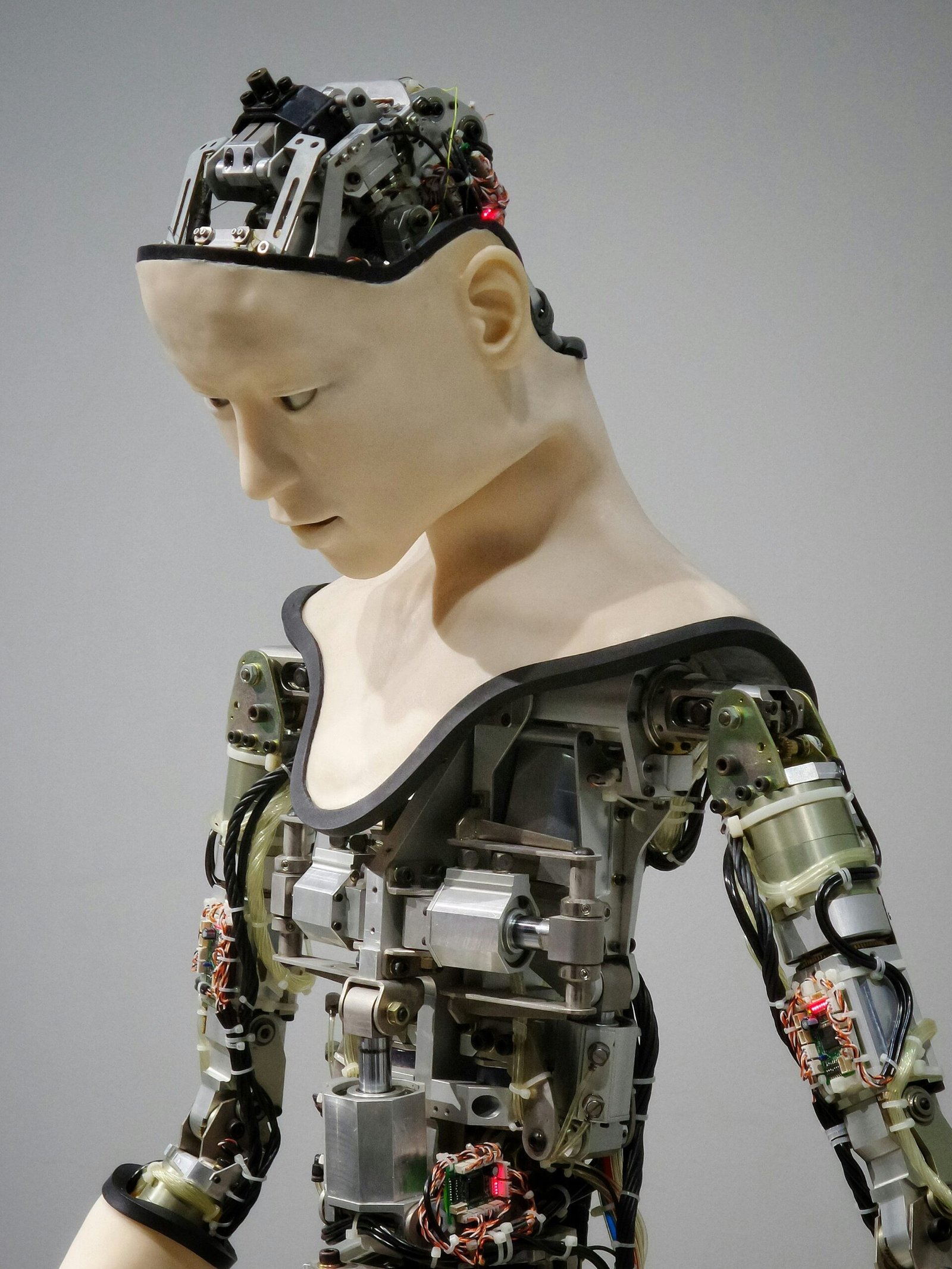
Introduction to Anthropic and Claude AI Models
Anthropic Claude AI models represent the latest step in Anthropic’s mission to build safer, more aligned AI systems. Established in 2020 by former OpenAI leaders, Anthropic has rapidly emerged as a notable contender in the AI landscape, driven by an ethos focused on creating safe and beneficial AI systems. Founded by former leaders from OpenAI, the company’s mission has centered around developing AI technologies that prioritize ethical considerations alongside innovation. This commitment has enabled Anthropic to carve out a unique space in an increasingly competitive market.
Central to Anthropic’s portfolio are the Claude AI models, named presumably after Claude Shannon, a pioneer in information theory. These models represent a significant advancement in natural language processing and machine learning capabilities. Building upon previous models, such as GPT-3, Anthropic aims to refine AI interactions, emphasizing user safety and comprehension. The Claude AI series is renowned for its methodological approach to understanding context, providing detailed and coherent responses, all while mitigating potential biases and inaccuracies that often plague AI systems.
The latest iterations of the Claude AI models have garnered attention for their enhanced functionality and adaptability. With improvements in comprehension and contextual awareness, these models are designed to engage in more nuanced and meaningful conversations with users. Anthropic’s approach to scaling AI potential reflects ongoing advancements in machine learning, positioning the Claude models as critical tools for both individuals and organizations seeking to harness the power of artificial intelligence. As we delve deeper into the features and capabilities of these models, it will become evident how Anthropic is not only contributing to the evolution of AI but also shaping its future trajectory.
Official model updates and technical documentation are available on Anthropic’s official website.
Overview of the New Claude AI Models
Recently, Anthropic has introduced two innovative AI models, known as Claude 1 and Claude 2, which represent significant advancements in the realm of artificial intelligence. These models are designed to cater to a wide spectrum of applications, from enhancing customer service interactions to automating complex data analysis tasks across various industries. One of the standout features of the Claude models is their ability to generate human-like responses, making them particularly beneficial for businesses in the customer support sector where nuanced communication is crucial. With the new Anthropic Claude AI models, the company is targeting businesses that need safer, enterprise-grade assistants for support, analysis, and automation.
Claude 1 introduced foundational capabilities in natural language understanding and generation, setting a precedent for what was to follow. However, Claude 2 has built upon its predecessor by offering enhanced contextual awareness and a greater capacity for complex reasoning. This model employs advanced algorithms that enable it to comprehend queries with elevated accuracy and provide responses that align more closely with user intent. The improved performance is evident in conversational dynamics, as Claude 2 can maintain context over long discussions and deliver responses that feel more natural and relevant.
The Claude AI models are versatile and their use cases span numerous industries, including healthcare, finance, and entertainment. In healthcare, for example, their capacity for processing large volumes of information makes them invaluable for managing patient inquiries and administrative tasks more efficiently. In finance, they can assist with data analysis and even customer interaction, transforming the way institutions engage with their clients. Furthermore, the integration of Claude AI models in the entertainment sector allows for better content recommendations, thereby enhancing user experience.
In essence, the newest Claude AI models signify a crucial step forward in the landscape of artificial intelligence, aligning closely with the contemporary demands of various sectors while driving innovation and efficiency.
Introduction to ‘Computer Control’
In recent developments within the artificial intelligence landscape, Anthropic has introduced a transformative concept known as ‘computer control.’ This term encapsulates the ability of AI systems to manipulate and manage computer operations with enhanced autonomy. Essentially, ‘computer control’ allows AI models to perform tasks traditionally executed by human operators, thereby streamlining processes and enhancing operational efficiency. When combined with Anthropic Claude AI, ‘computer control’ turns the model into an active assistant that can navigate apps, trigger workflows, and automate routine digital tasks.
At its core, computer control refers to the integration of AI functionalities that enable sophisticated interaction with digital environments. This capability signifies not just an expansion of AI’s operational domain but also highlights its role in user interaction. With advancements in AI models like Claude, users can expect to engage with systems that can understand context, execute commands, and provide outputs that reflect complex reasoning and judgment, similar to a skilled human operator.
The implications of this technology are profound. By reducing the need for manual input, AI systems that utilize computer control can significantly automate routine tasks, freeing human resources for more strategic initiatives. This leads to enhanced productivity and a recalibration of workforce roles. As AI models become increasingly adept at managing computer operations, businesses and individuals are likely to experience improved task execution speed and accuracy.
Moreover, this innovation opens the door for building more intuitive AI-human interactions. As AI systems engage in more complex decision-making processes and provide feedback, the potential for collaboration between humans and AI will fundamentally shift. Understanding what ‘computer control’ entails is crucial for grasping the future direction of AI technologies, their applicability in various industries, and their influence on operational dynamics.
Impacts on AI Safety and Ethical Considerations
The introduction of Anthropic’s new Claude AI models marks a significant advancement in the landscape of artificial intelligence, particularly in the realms of safety and ethical considerations. These models have been meticulously designed to address prevalent concerns regarding the potential risks associated with advanced AI technologies. One of the paramount objectives of these developments is to mitigate biases that can arise in machine learning algorithms, ensuring that the AI operates fairly across diverse populations.
To tackle the issue of bias, the Claude AI models employ a combination of algorithmic refinements and extensive training datasets that prioritize inclusivity and representativeness. This proactive approach aims to refine the decision-making processes of AI models, thereby fostering outputs that reflect ethical considerations and minimize discrimination detectable within various applications. It emphasizes the need for data diversity, ensuring that any model built using Claude AI systems is less prone to the propagation of pre-existing societal biases.
Moreover, another vital aspect of the Claude AI initiative is the implementation of robust safety protocols designed explicitly to prevent misuse of the technology. These protocols are critical in determining how these advanced AI systems interpret user inputs and generate outputs, which inherently subjects them to constraints that limit potentially harmful or malicious uses. By embedding safety mechanisms directly into the operational framework of the Claude models, Anthropic aims to safeguard not just individual users, but the broader societal ecosystem from adverse impacts.
Anthropic’s commitment to ethical AI extends beyond technical measures, as the organization actively engages with stakeholders and experts from various fields to foster transparency and accountability. This collaborative engagement is essential in refining the ongoing development of AI technologies, ensuring that both safety and ethical considerations remain at the forefront of future innovations.
We recently analyzed AI safety challenges in our article on AI cybersecurity threats for organizations.
Comparative Analysis with Other AI Models
The recent introduction of Claude AI models by Anthropic marks a significant advancement in the field of artificial intelligence, prompting a comparative analysis with the leading alternatives available, specifically those developed by OpenAI, Google, and Stability AI. Each model exhibits unique strengths and weaknesses that merit discussion.
OpenAI’s GPT-4 has remained a competitive force in the industry, renowned for its nuanced language understanding and versatility across a myriad of applications. It excels in creative writing, natural language processing, and code generation. However, it has been critiqued for inconsistencies in factual correctness and occasional susceptibility to generating biased content. Conversely, Claude models emphasize safety and ethical considerations, utilizing a framework that limits harmful outputs and prioritizes user intent over sheer creative generation. Unlike many competitors, Anthropic Claude AI explicitly optimizes for alignment and safety, not just raw creativity or benchmark scores.
When comparing the models from Google, such as PaLM 2, aspects like performance in tasks requiring factual accuracy and multi-modality stand out. Google’s models are noted for their robust capacity to manage diverse forms of data input, including text and images. Nevertheless, the integration of complex features can lead to increased operational demands and potential latency. In contrast, Claude AI aims to strike a balance, providing users with efficient interaction while focusing on understanding context and intent, which can lead to enhanced user satisfaction.
For additional benchmarking data, refer to arXiv AI research publications.
Stability AI’s offerings, particularly in generative models like Stable Diffusion, stand apart by enabling artists and creators to produce high-quality visual content. While powerful in specific generative tasks, these models may not suit broader conversational applications. Claude’s versatility and focus on dialogue also position it strongly within the AI conversational landscape. This comparative analysis highlights that while each model has distinct competencies, Claude models offer a thoughtful blend of safety, context awareness, and conversational adeptness.
For a broader perspective on enterprise AI competition, read our breakdown of China’s trillion-parameter AI model.
User Experiences and Feedback
The release of Anthropic’s latest Claude AI models, accompanied by the new ‘computer control’ feature, has generated significant interest among users, particularly those who participated in the beta testing phase. Early adopters have shared their experiences, providing valuable insights into the practical applications and limitations of these AI advancements. Overall, the feedback has highlighted both positive attributes and areas that require further refinement.
Many users have expressed enthusiasm regarding the enhanced conversational abilities of the Claude AI models. Beta testers have reported that the AI demonstrates a noticeable improvement in understanding context and generating human-like responses. This capability has made interactions feel more natural, with users noting that the AI can handle complex queries with greater ease than previous iterations. Furthermore, the introduction of ‘computer control’ has been particularly well-received, with users appreciating the ability to command their devices through seamless dialogue with the AI.
However, while the improvements are evident, some users have pointed out shortcomings that warrant attention. A few testers have encountered instances where Claude AI exhibited difficulty in maintaining context over extended conversations, leading to occasional misunderstandings. Additionally, concerns have been raised about the reliability of ‘computer control’ in executing commands accurately. Some users reported that the AI occasionally misinterpreted instructions, which resulted in unintended actions being performed on their devices.
User feedback indicates that while the Claude AI models represent a significant step forward, ongoing adjustments and enhancements will be essential to address these concerns. Users are hopeful that future updates will provide greater stability and accuracy in both conversational abilities and ‘computer control,’ thereby enhancing the overall user experience. As Anthropic continues to evolve its AI offerings, maintaining an open dialogue with users will likely be beneficial in driving further improvements.
Real-World Applications and Case Studies
The introduction of Claude AI models by Anthropic signifies a pivotal advancement in artificial intelligence technology, with multiple industries beginning to realize their potential impact. These models are being utilized across diverse sectors, demonstrating adaptability and efficiency that are critical for modern business operations. A notable case can be observed in the healthcare sector, where Claude AI is employed to analyze patient data and streamline diagnostic processes. By utilizing natural language processing capabilities, the model can interpret medical histories and suggest potential diagnoses, thus significantly reducing the time healthcare professionals spend on administrative tasks and increasing their focus on patient care.
In the field of finance, institutions have begun integrating Claude AI for risk assessment and fraud detection. The model’s ability to process large volumes of transactions in real-time allows for the identification of unusual patterns indicative of fraud. This proactive approach not only enhances security but also boosts customer trust as clients feel more protected against potential financial crimes. These applications exemplify how Claude AI can contribute to creating safer, more efficient financial environments.
Furthermore, the retail industry is leveraging Claude AI to enhance customer experiences through personalized shopping recommendations driving sales and customer satisfaction. By analyzing previous purchase patterns and preferences, the system generates tailored product suggestions, thereby increasing engagement and loyalty to the brand.
Educational institutions are also adopting Claude AI for online learning platforms, offering adaptive learning experiences. By assessing students’ progress and tailoring content accordingly, these AI models help ensure that learners receive a personalized educational experience that caters to their individual needs.
Overall, the integration of Claude AI models across these sectors highlights the significant benefits achieved through efficiencies gained in operations, customer satisfaction, and risk management.
We also explored how AI is reshaping business strategy in the rapid growth of the AI sector.
Future of AI with Claude Models
The unveiling of Anthropic’s new Claude AI models signifies a pivotal moment in the ongoing evolution of artificial intelligence. These advanced models are expected to propel AI technology forward, addressing current limitations while anticipating market trends and user requirements. As AI continues to permeate various sectors, the introduction of more sophisticated and articulate models becomes essential. For teams exploring long-term AI strategy, Anthropic Claude AI offers a glimpse of how safer models and tighter ‘computer control’ could redefine day-to-day knowledge work.
One of the key factors shaping the future of AI with Claude models is user demand for more contextually aware and interactive systems. Today’s consumers expect AI applications to be not only functional but also intuitive, capable of understanding complex instructions and providing relevant responses. The Claude models, designed with enhanced capabilities, promise to meet these expectations, thereby granting businesses the ability to deploy AI solutions that greatly improve user experience and foster engagement.
Moreover, the trajectory of AI development is closely tied to the evolving landscape of technology and market dynamics. With an increasing emphasis on ethics and safety in AI systems, Anthropic’s focus on creating more reliable models is particularly pertinent. This approach may not only influence regulatory frameworks but could also set new industry standards, compelling competitors to adopt similar strategies to avoid falling behind.
As the AI market continues to grow, the expectation is that Claude models will pave the way for innovative applications across sectors such as healthcare, finance, and education. This evolution could unlock new capabilities, allowing AI to assist humans in more profound ways than previously imagined. Consequently, the future of AI will likely be characterized by heightened collaboration between humans and machines, enhancing productivity and decision-making processes.
In conclusion, the future trajectory of AI development, marked by the introduction of Claude models, presents an exciting landscape filled with opportunities. Their enhanced capabilities could fundamentally reshape industries, appealing to user demands while ensuring ethical considerations are woven into the fabric of AI technology.
Conclusion and Key Takeaways
As artificial intelligence continues to advance rapidly, the introduction of Anthropic’s Claude AI models marks a significant step forward in the field. These models are designed to be more aligned with human values, aiming to improve interaction and understanding between AI systems and users. The innovative ‘Computer Control’ feature further enhances these capabilities, allowing for more dynamic and effective integration of AI into various applications. This development is essential as it paves the way for increased efficiency and user-friendliness in AI technology.
The Claude AI models are not just an evolution in technical capability; they represent a philosophical shift towards creating AI that is designed to assist and enhance human decision-making without compromising on safety and ethical considerations. By prioritizing alignment with human intent, these models offer a clearer pathway for responsible AI usage. Furthermore, the adoption of features like ‘Computer Control’ signifies a move towards more interactive and responsive AI systems, which can adapt in real-time to user inputs and contextual changes.
For readers interested in exploring further, additional resources are available that delve deeper into the functionalities and implications of Claude AI. This includes reviewing previous advancements in the field, such as Stability AI’s latest image generation models, which can provide context to the current trends in AI development. Following these links will not only enhance understanding but also illuminate the intricate landscape of artificial intelligence advancements that are continually reshaping various industries.
In summary, Anthropic’s Claude AI models and the introduction of ‘Computer Control’ are essential milestones in the artificial intelligence journey, shaping not only technological possibilities but also the framework in which these systems interact with humans. As we navigate through this evolving field, staying informed and engaged will be crucial for both developers and users alike.
If your organization is exploring enterprise-grade AI assistants, explore our AI consulting and automation services.