
Introduction: The Hidden Psychology of Robot Design
The intersection of technology and human interaction is increasingly spotlighted in discussions about the design of service robots, particularly with regard to the concept of robot gender. The idea of assigning gender to robots, whether implicitly through design choices or explicitly through naming conventions, raises various psychological implications. This nuance is pivotal as it can significantly shape human interaction with these machines, influencing user trust, comfort, and willingness to engage.
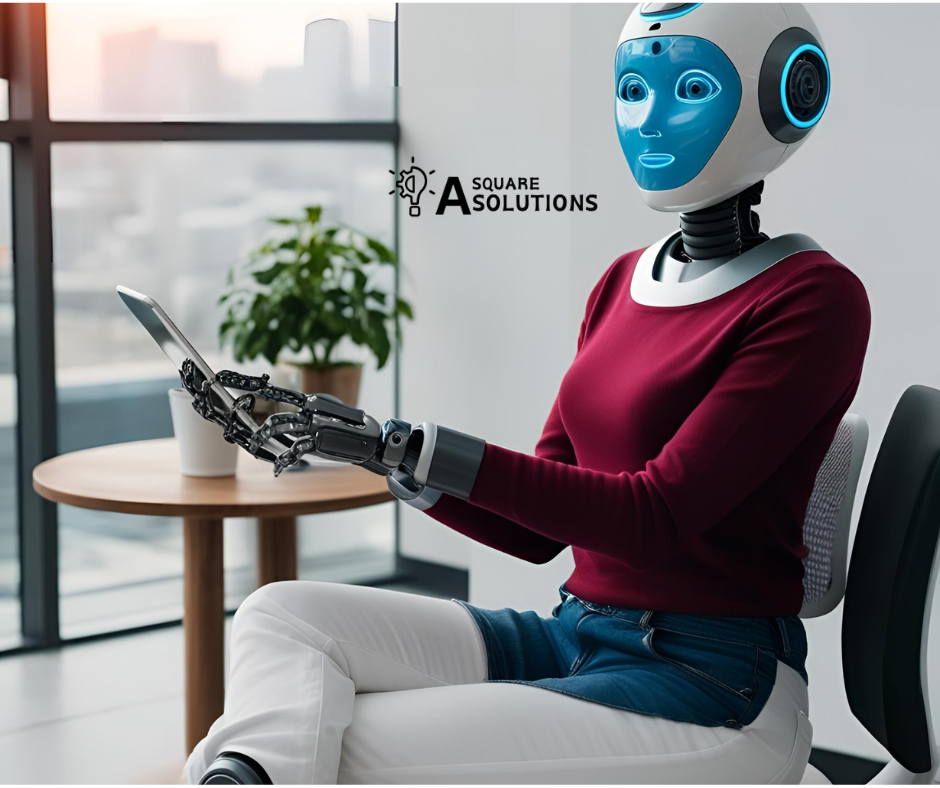
Robot aesthetics, encompassing visual features such as shape, color, and movement patterns, play a crucial role in establishing user preferences. Research indicates that individuals often project human traits onto robots, a phenomenon known as anthropomorphism. As a result, the perceived gender of a robot can affect user perception and response, leading to either favorable or unfavorable impressions. For instance, a robot designed with softer lines and pastel colors is likely to be perceived as more feminine, potentially evoking nurturing responses, while angular designs and dark colors might suggest masculinity, prompting different human reactions.
These preferences are not merely subjective; they are significantly influenced by cultural and contextual factors. In certain scenarios, users may prefer a service robot with a gender profile that aligns with societal norms or expectations related to specific tasks. For example, domestic robots may be designed with feminine features to resonate with traditional caregiving roles, while industrial robots may adopt masculine traits to align with perceptions of strength and efficiency. Understanding these biases is essential for designers, as it shapes how effectively robots can serve their intended functions while fostering positive user experiences.
Recognizing the psychological underpinnings of robot design is imperative for creating service bots that resonate with human users. With an ever-growing reliance on these technologies, thoughtful attention to how gender influences perception can greatly enhance the effectiveness and acceptance of robots across various domains.
You may also explore our article on AI as emotional support, which explains how human psychology shapes the way people interact with artificial intelligence systems.
The Power of Robot Gender in Human Interaction

The design of service robots is a crucial element that shapes human interaction. The gendering of robots—whether through voice, appearance, or behavior—elicits distinct responses from users based on ingrained societal norms and expectations. For instance, robots that exhibit authoritative male traits often command respect and are perceived as more competent, which can influence decision-making in professional settings. These attributes may include deeper vocal tones, angular designs, or assertive language. Consequently, when tasked with roles that require leadership or decision-making authority, a robot embodying these traits can engender a sense of trust and credibility. Humans may be more likely to defer to choices made by such a robot, thereby impacting outcomes in significant ways.
Conversely, robots designed with nurturing female traits tend to evoke feelings of warmth and empathy. Characteristics such as softer voices, rounded shapes, and soothing colors are typically associated with caregiving roles. These robots are often utilized in settings like healthcare, where compassion is paramount. Research indicates that patients are more likely to engage with and respond positively to robots that display these nurturing qualities. In this respect, female-coded robots can facilitate enhanced communication, leading to better health outcomes, as individuals are more willing to share sensitive information with a robot perceived as understanding and empathetic.
The traits attributed to robotic gender ultimately shape expectations and interactions across various contexts, influencing how decisions are made based on perceived capabilities. Understanding the power dynamics at play in robot gender design is essential, as these traits can consciously or unconsciously drive human behaviors and attitudes. As robot technology continues to evolve, the implications of gendered design will remain an important consideration in fostering effective human-robot interactions.
We also discussed how intelligent systems influence human behavior in our article on agentic AI systems, which explores how autonomous AI agents interact with users and make decisions.
Preferences for Stern vs. Kawaii Robots
The design of service robots significantly impacts human interactions and decision-making processes. A notable dichotomy exists between robots that are perceived as stern and authoritative, and those designed to be cute and approachable, often referred to as “kawaii” robots. This difference in design elicits varying emotional responses that stem from the underlying psychological and cultural factors influencing human perceptions of technology.
Stern robots typically embody characteristics associated with professionalism and competence. Their design may include sleek lines, an imposing posture, and a more functional appearance. These robots are often preferred in environments where efficiency and authority are prioritized, such as in security or industrial applications. In such contexts, users may associate a stern appearance with reliability and effectiveness, leading to a more serious rapport and focused interactions. The appeal of stern robots lies in their ability to instill confidence in users, particularly in scenarios where strict adherence to protocols is essential.
Conversely, kawaii robots are crafted to evoke warmth and friendliness, incorporating soft shapes, bright colors, and expressive features. This design approach draws heavily from cultural elements that celebrate cuteness, especially prevalent in societies like Japan. The preference for kawaii robots can be attributed to their capability to foster positive emotional connections, leading to increased user engagement and satisfaction. In service-oriented settings such as hospitality or healthcare, a cute robot may enhance customer experience by creating a welcoming atmosphere, promoting trust and comfort among users. Cultural perceptions of what constitutes a likable robot can further influence these preferences, as audiences from different backgrounds may respond variably to design aesthetics.
The implications of choosing between stern and kawaii robot designs can significantly affect service delivery. By understanding these preferences, developers can tailor their robots for specific environments, fostering interactions that are both effective and emotionally resonant. This knowledge underscores the importance of design considerations in the deployment of service robots, as they ultimately shape the dynamics of human-robot relationships.
Findings from the Penn State Study
The research conducted by Penn State is a pivotal exploration into the effect of gender characteristics in robot design and how these influence human decision-making. The study underlines the significance of human traits ascribed to service robots, suggesting that gender associations may unconsciously guide consumer preferences and behaviors. Notably, the findings illustrate that gendered robots tend to elicit varying responses from users based on the context in which they operate.
One striking observation was that participants exhibited a preference for female-voiced robots when the task involved caregiving or empathetic interactions, signifying a societal inclination towards gender roles in these scenarios. Conversely, male-voiced robots were favored for tasks requiring assertiveness or technical competence, highlighting a prevailing stereotype that associates femininity with nurturing and masculinity with leadership and technical skills. This gender bias could potentially influence the effectiveness and perception of service robots in diverse situations.
The study also delved into how subtle gender cues affect the trust and comfort levels of users. For instance, users reported higher levels of trust towards robots with female characteristics in domestic settings, which may be attributed to traditional views about femininity being more aligned with service-oriented roles. Conversely, in professional environments, male-embodied robots were perceived as more authoritative. These findings suggest that the design of service robots needs careful consideration of gender representation to align with user expectations and societal norms.
Overall, the Penn State study contributes significant insights into the intersection of robot design and human psychology. It emphasizes the need for an informed approach in developing service bots that not only serve practical purposes but also resonate positively with users on a personal level. The implications of these findings could pave the way for more effective integrations of robots in everyday life, aligning technology with human behavior in a meaningful manner.
For academic research on human–robot interaction and social robotics, visit Science Robotics Journal.
Impact on Retail and Hospitality Robotics
The introduction of robotics into the retail and hospitality sectors has revolutionized how businesses engage with their customers. However, the design of these service bots, particularly with respect to gender coding, significantly influences interactions and outcomes within these industries. For instance, a service bot designed with traditionally feminine characteristics—like a soft voice and a friendly demeanor—tends to foster a more welcoming atmosphere, encouraging customer engagement and satisfaction. This design choice impacts how customers perceive the quality of service, leading to higher retention rates and overall customer loyalty.
On the other hand, robots designed with masculine traits may project authority and efficiency, reinforcing certain stereotypes within a service context. In the hospitality sector, where customer experiences are paramount, these gender-coded interactions can drive customer expectations and satisfaction. Research suggests that clients may respond differently to robots based on their perceived gender, affecting their willingness to interact with the technology. Consequently, businesses must carefully consider the gendered characteristics of their robotic staff to align with their service goals and customer demographic.
Moreover, these design decisions extend beyond customer interactions. Employee dynamics within retail and hospitality settings are also influenced by the presence of service bots. Employees may feel more empowered and supported when robots exhibit characteristics that complement their roles, promoting collaboration rather than competition. This shift can aid in creating a more cohesive work environment, ultimately enhancing service delivery and operational efficiency.
As the integration of robotics becomes more prevalent within retail and hospitality, the implications of gender-coded design are considerable. Organizations that recognize and adapt to these dynamics will likely outperform competitors and create more fulfilling experiences for both customers and employees.
Healthcare and Patient Compliance
In recent years, the intersection of technology and healthcare has led to the development of various service robots designed to assist patients in clinical settings. A noteworthy aspect of this technological integration is the impact of robot gender characteristics on patient compliance. Research indicates that the gendered appearance of service robots can significantly influence patients’ willingness to engage with these machines during their healthcare journey.
The design of service robots often incorporates visual traits that align with traditional gender stereotypes. For instance, robots designed with a female appearance may project nurturing qualities, which can promote trust and comfort among patients. Conversely, robots designed with male characteristics might embody authority and decisiveness. These gendered traits can elicit different responses from patients, ultimately affecting their compliance with medical advice and treatment protocols. Studies have shown that patients may be more receptive to instructions from a robot that aligns with their innate expectations of care, thus increasing the likelihood of adherence to prescribed treatments.
Additionally, the emotional connection established through the robot’s design can play a crucial role in shaping a patient’s response. A robot that evokes empathy and compassion can foster better communication, allowing patients to feel more at ease discussing their concerns and following through with prescribed care routines. The implications for patient care are profound, as increased compliance can lead to improved health outcomes and enhanced patient satisfaction.
Moreover, considering the demographics of the patient population is equally important. Cultural perceptions of gender may lead to varying reactions toward service robots in diverse patient groups. Therefore, designers must adopt a nuanced understanding of these dynamics to create robots that effectively support patients while respecting their individual preferences and needs. This awareness can aid in the development of robots that optimize patient compliance in healthcare, thus shaping the future of patient care significantly.
AI Marketing Strategies and Gendered Bots
In recent years, corporations have increasingly recognized the significance of gender design in artificial intelligence (AI) marketing strategies. The integration of gendered bot personas has proven to be a valuable asset in enhancing customer engagement and influencing consumer behavior. By tailoring the gender characteristics of service bots, companies seek to resonate with users on a more personal level, thereby optimizing their marketing approaches.
A relevant case study can be observed in the hospitality industry, where several hotels integrated gendered chatbots to cater to diverse clientele preferences. For instance, a prominent hotel chain introduced a virtual assistant with a female persona designed to assist guests with inquiries and reservations. Research indicated that users responded positively to the bot, reportedly feeling more comfortable and reassured while interacting with a female persona. This strategy not only elevated customer satisfaction rates but also resulted in increased bookings, highlighting the significance of gender in user experience.
Furthermore, the retail sector has experienced similar trends. A leading e-commerce platform launched a gender-customized shopping assistant that delivers personalized recommendations based on user interactions. The implementation of male and female bot avatars allowed customers to choose according to their preferences, thus fostering a sense of relatability. This approach not only engaged customers more effectively but also contributed to boosting sales, as users tended to navigate the site with greater ease when accompanied by a familiar persona.
The amalgamation of gender considerations in AI marketing strategies showcases the relevance of cultural and social contexts in shaping consumer experiences. As businesses strive to capitalize on the emotional connection that gendered bots can create, it is essential to understand the implications of such design choices. The ongoing advancements in AI technology will likely continue to influence the ways in which corporations employ gendered design to enhance customer engagement and ultimately drive sales.
For a deeper look at how AI technologies are transforming digital engagement and business systems, read our article on AI agents replacing traditional software.
The Ethics of Gendered AI
The deployment of gendered artificial intelligence in service industries raises a variety of ethical concerns that warrant thorough examination. As service bots become increasingly prevalent, the implications of assigning gender characteristics to these technologies can have far-reaching effects on societal attitudes and behaviors. When service bots are designed with gender-specific traits, such as voice or physical appearance, they risk reinforcing existing gender stereotypes and traditional gender roles. This can contribute to the perpetuation of biases, influencing how individuals perceive and interact with both the AI and each other.
Designers and corporations that develop gendered AI must consider their roles and responsibilities in shaping the societal narrative. The conscious or unconscious choice to designate gender to a robot can send powerful messages about gender expectations, especially in a service context where bots may be programmed to cater to traditionally gendered roles. For instance, a female-voiced customer service bot might evoke associations of nurturing and submissiveness, while a male counterpart could imply authority and dominance. The implications of such associations extend beyond mere interaction; they can affect how users perceive gender in professional settings, perpetuating a cycle of bias in consumer behavior.
Furthermore, the implications of gendered AI can vary across cultures, and designers must remain sensitive to these nuances. A service bot that is well-received in one culture could be met with resistance in another, depending on local gender norms and expectations. Therefore, a one-size-fits-all approach to gendered AI may not only be ineffective but could also harm the very markets they aim to serve. As the technology continues to evolve, it is imperative for stakeholders to engage in discussions about ethical AI development, clear responsibility lines, and the potential societal impact of creating and deploying gendered service bots.
Conclusions and Future Implications
As we delve into the implications of robot gender design, it becomes evident that the gender attributes assigned to service robots significantly affect human interactions and perceptions. The design choices regarding gender can influence trust, comfort levels, and user engagement, shaping the experiences individuals have with these machines. Acknowledging the often subconscious biases that accompany gendered features is crucial for improving human-robot interactions. By fostering an awareness of these dynamics, designers can create more effective, trustworthy service robots that better serve diverse populations.
The key takeaway from this exploration is the need for inclusive design approaches in robotics. By considering a wider range of gender expressions, designers can help to mitigate stereotypes and extend the usability of robots to a broader audience. This paradigm shift can also promote a more comprehensive understanding of how gender representation can impact the emotional and cognitive responses of users. Moreover, addressing issues related to gender in service bots can lead to enhanced satisfaction and performance outcomes, as users feel more represented and understood by the technology they are engaging with.
Looking towards the future, there are several areas ripe for further research. Exploring cross-cultural perceptions of robot gender, for instance, can offer valuable insights into how different societies view and interact with gendered technology. Additionally, studying the psychological impacts of gendered robots on users over time may uncover long-term effects on attitudes toward gender roles in society. Ultimately, advocating for ethically designed robots that challenge conventional norms can pave the way for progress, driving innovation while fostering a more equitable technological landscape.