remotely controlled robots your —
Introduction: The Industrial Challenge
📺 Watch: Lost Tombs, Quantum Breakthroughs & Robots Avoiding Danger? March Science Roundup
📚 Further Reading
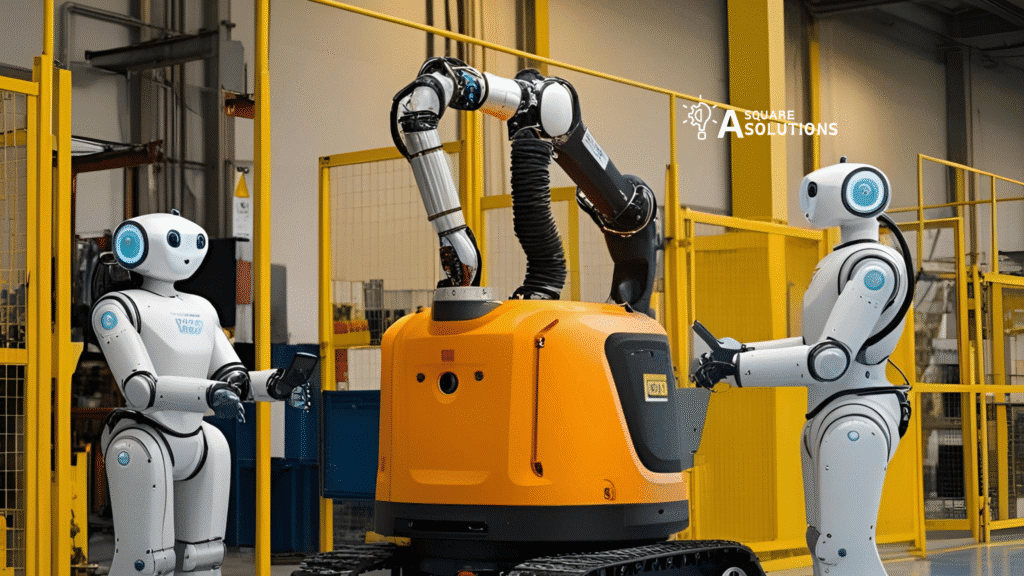
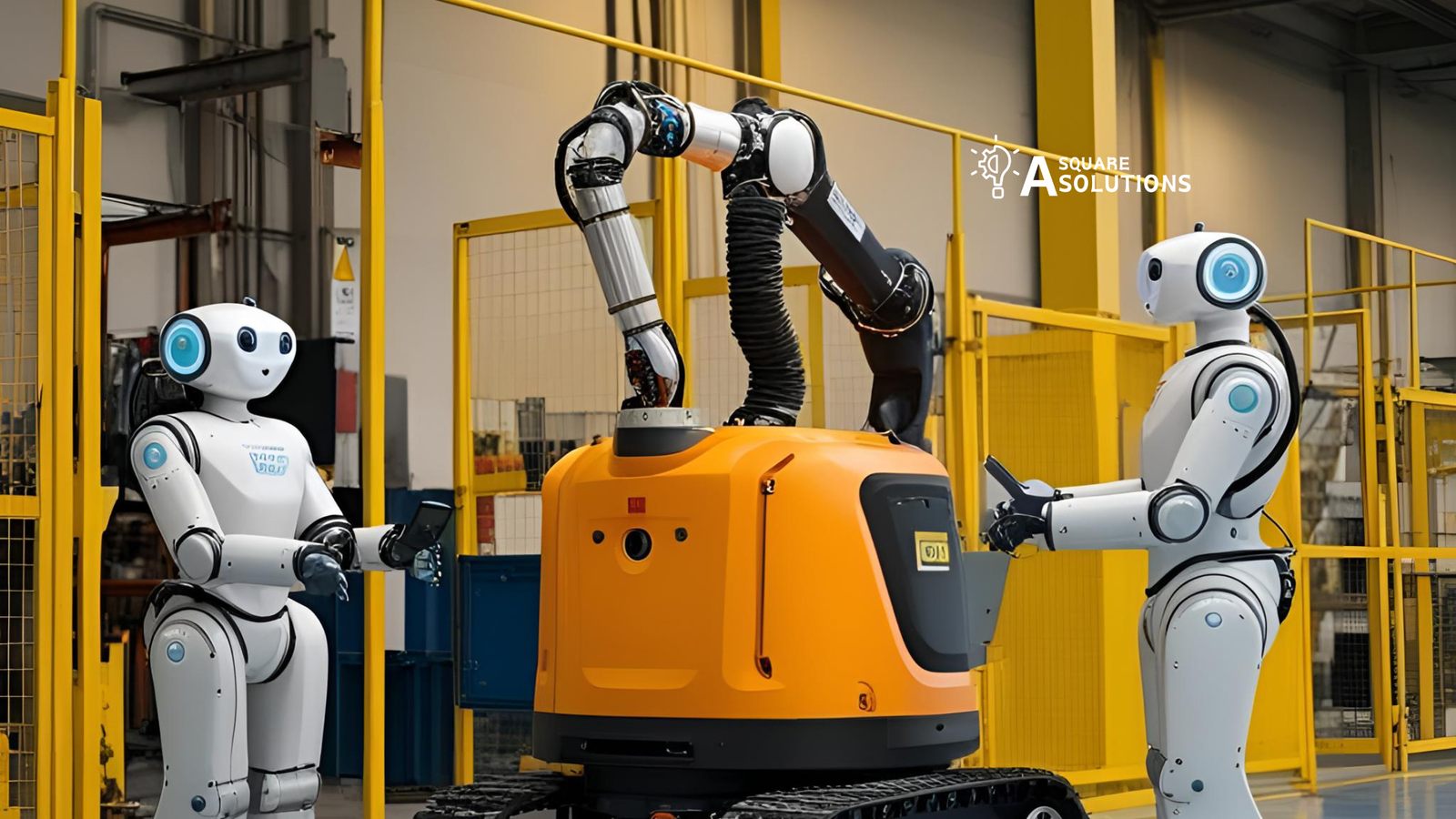
Industrial sites—mines, nuclear plants, chemical factories—are inherently dangerous environments where even the most skilled workers face high risks. From toxic gases to heavy machinery, these zones demand constant safety innovations. One of the most promising advancements is remotely controlled robots for industrial safety, powered by cutting-edge haptic technology—tools that replicate the sense of touch in remote operations.
Now, researchers at POSTECH (Pohang University of Science & Technology) in South Korea have developed a novel haptic device that is changing how we interact with machines in these hazardous settings.
This blog takes you beyond the newsletter with in-depth insights into how this tech works, why it matters, and how it could reshape the future of industrial operations.
What Is Haptic Technology?

#HapticTechnology involves tactile feedback systems that simulate touch. Think of how your phone vibrates to alert you—a basic form of haptics. In industrial robotics, it’s much more complex. Operators need to “feel” how heavy a component is, or whether a surface is soft or rigid—all from a distance.
🔍 How Remotely Controlled Robots for Industrial Safety Work
POSTECH’s innovation is a wearable haptic device equipped with:
Force feedback systems
Visual feedback through VR interfaces
Pressure-sensitive tactile sensors
Digital twin integration
The device lets workers remotely control robots in complex environments while receiving physical sensations as if they were on-site.
Knowledge is Power — and when shared, it builds safer industries. #KnowledgeIsPower
💡 How It Works
1. Multi-Directional Force Feedback
Operators can feel resistance when lifting or pushing objects using robotic arms. This real-time force feedback improves precision and prevents errors.
2. Visual & Audio Feedback Integration
The system merges tactile sensations with visual and auditory feedback, creating a multi-sensory control experience. Users are not just pushing buttons—they’re immersed in a virtual workspace that mirrors the real environment.
3. Digital Twin Support
A digital twin is a virtual replica of a real-world process. By connecting the haptic device to a digital twin, workers can simulate tasks and understand risks before taking real-world action.
Graph: Efficiency vs Safety in Haptic-Controlled Robots vs Traditional Remote Operations]
| Technology | Efficiency Score | Safety Index |
|---|---|---|
| Manual On-site Work | 70% | Moderate Risk |
| Traditional Remote Robots | 80% | Medium Risk |
| Haptic-Controlled Robots | 93% | Low Risk |
🎯 Real-World Uses of Remotely Controlled Robots for Industrial Safety
Here’s where these haptic robots are making the biggest impact:
Nuclear Decommissioning
Explosive Material Handling
Chemical Spills & Cleanup
Automated Assembly Lines
Remote Construction Sites
#IndustrialSafety #RemoteWorkTech
🔄 Why Remotely Controlled Robots Improve Industrial Safety & Productivity
What makes this tech unique is its balance of worker safety with operational productivity. Traditional remote robots often lack “touch” sensitivity, which causes delays and errors. By giving operators the ability to feel what the robot feels, this new device empowers them to act more intuitively—and safely.
This isn’t just another robot—this is an extension of the human operator.
Similar advances in robot-human trust and intelligent automation show how safety technology is evolving rapidly.
🧠 Behind the Innovation
The research was led by Professor Hyunmin Do and his team at POSTECH, combining mechanical engineering, computer science, and human-machine interface design.
Their innovation addresses a crucial need: making remote work not just possible but natural.
🌍 Broader Impact
Encourages remote employment in hazardous fields
Lowers cost of on-site safety training
Reduces injuries and fatalities
Improves global response to emergencies (e.g., nuclear incidents, mine collapses)
🔚 Conclusion
As industries evolve, so must the tools we use. These haptic devices mark a paradigm shift in how humans interact with machines in dangerous settings. Whether it’s keeping workers safe or enabling tasks that were once impossible, the fusion of human intuition with robotic strength opens a future where safety and performance go hand in hand.
💬 We’d love to hear from you.
What are your thoughts on using haptics in industrial safety? Could this change how your industry works?
Comment below and share the article to empower others.
Read More »
Read More »