

Introduction to Neural Growth Simulation
📚 Further Reading
Neural growth simulation represents a groundbreaking advancement in the field of neuroscience, particularly in the study of neurodegenerative diseases. This innovative computer simulation, developed at the University of Surrey, focuses on modeling the complex processes involved in neural growth — similar to how applied AI systems and research-driven implementation are engineered to model complex real-world environments.. Neural growth itself refers to the development and maturation of neurons, the fundamental building blocks of the brain and nervous system. As neurons interact, they form intricate networks that are vital for various brain functions, including cognition, memory, and motor control.
The significance of simulating neural growth lies in its potential to enhance our understanding of brain development and the pathological processes that influence neurodegenerative conditions such as Alzheimer’s and Parkinson’s diseases. By creating a virtual environment to study these processes, researchers can observe how neurons grow, connect, and adapt in real-time under different conditions. This simulation aids in identifying the critical factors that can impact neuron survival and functionality, thus providing insights into the mechanisms behind brain disorders.
Moreover, neural growth simulations serve as essential tools for researchers and medical professionals, offering a platform to test hypotheses and evaluate potential treatments in a controlled fashion. By replicating the dynamic environment of the brain, researchers can explore how various interventions, such as drug therapies or lifestyle changes, might enhance neural growth and repair. These simulations not only deepen our comprehension of the brain but also reflect broader AI-driven analytical approaches used across industries to model complexity and predict outcomes.
The Importance of Neuron Development
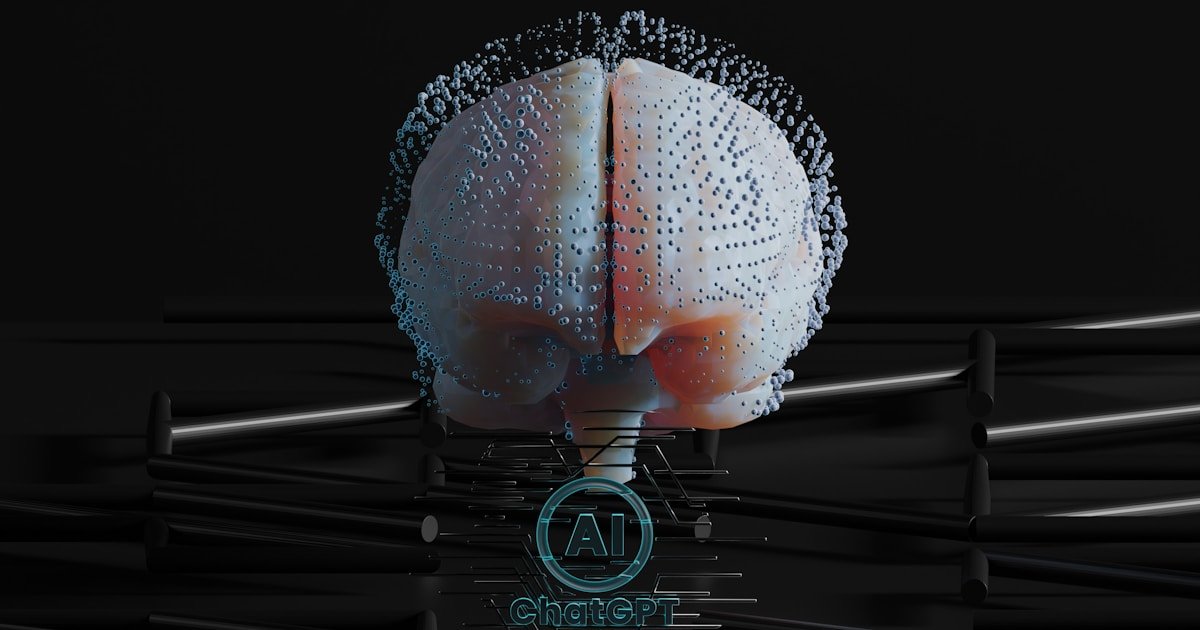
Neurons are fundamental units in the architecture of the brain, playing a pivotal role in facilitating communication within the neural network. These specialized cells are designed to receive, process, and transmit information, primarily through electrical and chemical signals. Understanding neuron development is crucial because it directly impacts cognitive functions such as memory, learning, and perception. During the early stages of brain development, neurons undergo a complex process of growth and differentiation, forming connections that contribute to the brain’s intricate circuitry.
Neurons begin their journey through a process known as neurogenesis, where neural stem cells proliferate and migrate to specific locations within the developing brain. Once positioned, these progenitor cells differentiate into various types of neurons, each serving unique functions essential for cognitive processing. As neurons mature, they extend axons and dendrites, forming synaptic connections that allow for the transmission of information between brain regions. This connectivity is critical for producing coordinated responses and adaptive behavior in the face of changing environmental stimuli.
However, neurodegenerative diseases, such as Alzheimer’s and Parkinson’s, significantly undermine the health and function of neurons. These diseases are characterized by the progressive degeneration of neuronal cells, leading to cognitive decline and impairment of neurological functions. The loss of synaptic connections and neuronal integrity manifests in the decline of crucial cognitive processes, affecting overall quality of life for affected individuals. Hence, there is an increasing need for research focused on neuron development and health to identify innovative strategies for prevention and treatments aimed at these debilitating conditions.
How the Simulation Works
The simulation designed to mimic neuronal growth and development operates on a foundation of advanced algorithms and mathematical modeling techniques. Researchers utilize computational models that closely represent the anatomical and physiological characteristics of neurons. A central aspect is the use of agent-based modeling, where individual neurons, treated as autonomous agents, interact with their simulated environment, enabling the observation of complex behaviors and growth patterns typical of real neural tissues.
The simulation algorithm leverages principles from evolutionary biology and neurodevelopmental biology. By incorporating these principles, the simulator allows for the exploration of neural dynamics, such as dendritic branching, axon guidance, and synaptic formation. It integrates real-time data from biological experiments, enabling it to adapt and refine its predictions as new insights emerge. This adaptability is crucial as it allows the model to stay relevant in a rapidly evolving field.
Furthermore, the technology behind the simulation includes high-performance computing to process vast amounts of data and model complex interactions efficiently. Parallel processing capabilities allow the algorithm to run multiple simulations concurrently, quickly generating results that can be analyzed for various parameters, including neuronal density, growth rates, and response to external stimuli.
The precision of the simulation is enhanced through machine learning techniques, which are employed to train the model on existing biological datasets. This training helps in tuning the parameters of the simulation, achieving a closer approximation of actual neuronal behavior observed in laboratory settings. By meticulously refining the model’s algorithms, researchers ensure that it effectively captures the nuances of neurodevelopment, paving the way for advanced treatments in neurodegenerative diseases.
Implications for Neurodegenerative Disease Research
🚀 A Square Solutions
We specialise in AI Research & Analytics Systems — helping businesses scale through AI and intelligent digital systems.
Frequently Asked Questions
What is Introduction to Neural Growth Simulation?
Neural growth simulation represents a groundbreaking advancement in the field of neuroscience, particularly in the study of neurodegenerative diseases.
What is The Importance of Neuron Development?
Neurons are fundamental units in the architecture of the brain, playing a pivotal role in facilitating communication within the neural network.
How the Simulation Works?
The simulation designed to mimic neuronal growth and development operates on a foundation of advanced algorithms and mathematical modeling techniques.
What is Implications for Neurodegenerative Disease Research?
2026 Strategic Resources: The Future Of Language Models Impacts And Innovations Top 10 Digital Marketing Trends In Dubai For 2024 Metas Responsible Ai Team Faces Restructuring Focus Shifts To Generative Ai.
Sources: Nature Journal | Phys.org Science News
💬 Questions about this topic?
Use the 🤖 Ask Our AI widget (bottom-right) — instant answers, 24/7.