
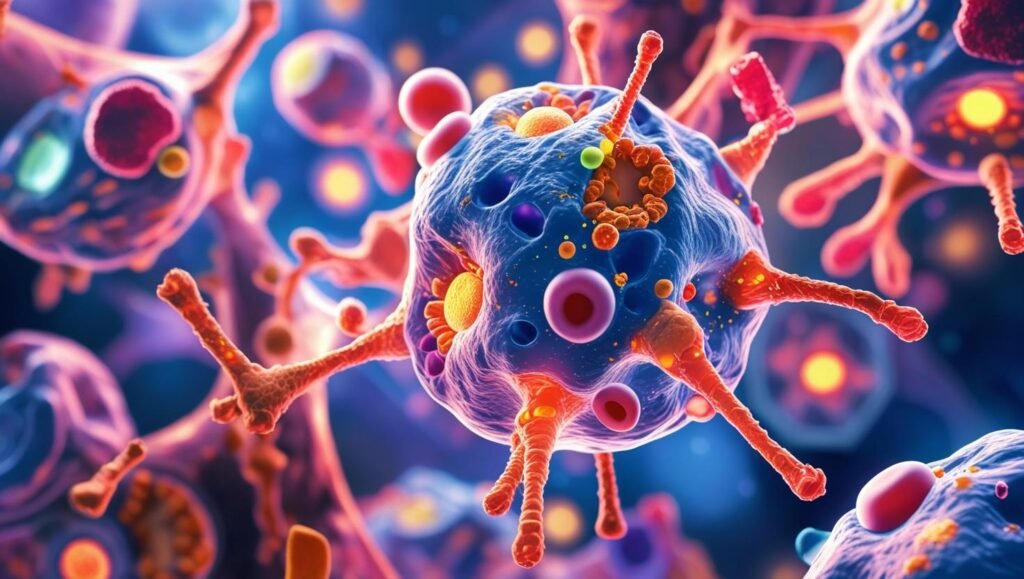
inside human body — Scientific research is accelerating through AI-assisted discovery. inside human body is at the forefront of breakthroughs reshaping our understanding of the world. This guide breaks down what it is, why it matters now, and what organisations should do about it.
What Is Inside the Human Body?
📚 Further Reading
Inside human body refers to a significant development at the intersection of technology, business, and society. In 2026, it has moved from a niche concept to a mainstream strategic consideration — one that organisations across every sector are actively evaluating and implementing.
At its core, inside human body addresses a fundamental challenge: how do organisations adapt to rapid change while maintaining the operational stability needed to deliver value? The answer increasingly lies in understanding not just what the technology does, but what strategic posture it demands from leaders and teams.
Why Inside the Human Body Matters in 2026

Several converging forces have elevated inside human body to a boardroom-level discussion. First, the cost of inaction has risen sharply. Competitors who have engaged earlier are compounding advantages in efficiency, customer experience, and market positioning. Second, the tooling has matured significantly — implementation is now accessible to organisations without deep technical specialisation.
Third, and perhaps most importantly, the regulatory and reputational environment has shifted. Stakeholders — from investors to customers — are increasingly asking direct questions about how organisations are engaging with inside human body. The absence of a coherent answer carries real reputational and commercial risk in 2026.
Key Applications and Use Cases
The practical applications of inside human body vary by sector, but several patterns emerge across industries. In operations, it enables faster decision cycles and reduced reliance on manual processes. In customer experience, it allows for personalisation at scale previously unavailable outside enterprise-tier budgets. In strategy, it provides data-driven insights that compress the gap between sensing a market shift and responding to it.
Organisations that have achieved the strongest results tend to share a common approach: they started with a narrow, well-defined use case rather than attempting broad transformation. This allows early wins to build internal confidence and generate the data needed to inform the next stage of implementation.
Implementation Framework for 2026
Successfully implementing inside human body requires a structured approach. The organisations seeing the strongest returns follow a repeatable four-stage process:
- Assess — Map your current state honestly. Where does inside human body create the greatest opportunity or risk for your specific business model?
- Prioritise — Identify 2-3 use cases with the highest impact-to-complexity ratio. Avoid the temptation to do everything at once.
- Pilot — Deploy with clear KPIs, defined success criteria, and a realistic timeline. Treat the pilot as a learning exercise, not a permanent commitment.
- Scale — Based on pilot results, decide what to scale, what to modify, and what to set aside. Speed matters, but evidence-based scaling matters more.
Common Mistakes to Avoid
The most common mistake organisations make with inside human body is conflating activity with strategy. Deploying tools without clear objectives, or chasing the latest developments without connecting them to specific business outcomes, consumes resources without generating proportionate returns.
A second frequent error is underinvesting in change management. The technical implementation of inside human body is rarely the hardest part — getting teams to adopt new workflows, trust new outputs, and build new habits is where most implementations slow down or fail. Organisations that allocate adequate resources to this dimension consistently outperform those that treat it as an afterthought.
What to Watch in the Next 12 Months
The trajectory of inside human body over the next year will be shaped by several key developments: the maturation of supporting infrastructure, evolving regulatory frameworks, and the gradual emergence of best-practice standards from organisations that have moved early. Those paying close attention will find significant opportunities in the gaps between where the market is today and where it will be by the end of 2026.
A Square Solutions tracks these developments actively, translating emerging signals into practical guidance for businesses navigating this landscape. If inside human body is relevant to your strategy, the time to engage is now — not when the trend reaches peak visibility and early-mover advantages have already been captured.
🚀 A Square Solutions
We specialise in AI Research & Analytics Systems — helping businesses scale through AI and intelligent digital systems.
Frequently Asked Questions
What Is Inside the Human Body?
Inside human body refers to a significant development at the intersection of technology, business, and society.
Why Inside the Human Body Matters in 2026?
Several converging forces have elevated inside human body to a boardroom-level discussion.
What is Key Applications and Use Cases?
The practical applications of inside human body vary by sector, but several patterns emerge across industries.
What is Implementation Framework for 2026?
Successfully implementing inside human body requires a structured approach.
Sources: Nature Journal | Phys.org Science News
💬 Questions about this topic?
Use the 🤖 Ask Our AI widget (bottom-right) — instant answers, 24/7.