
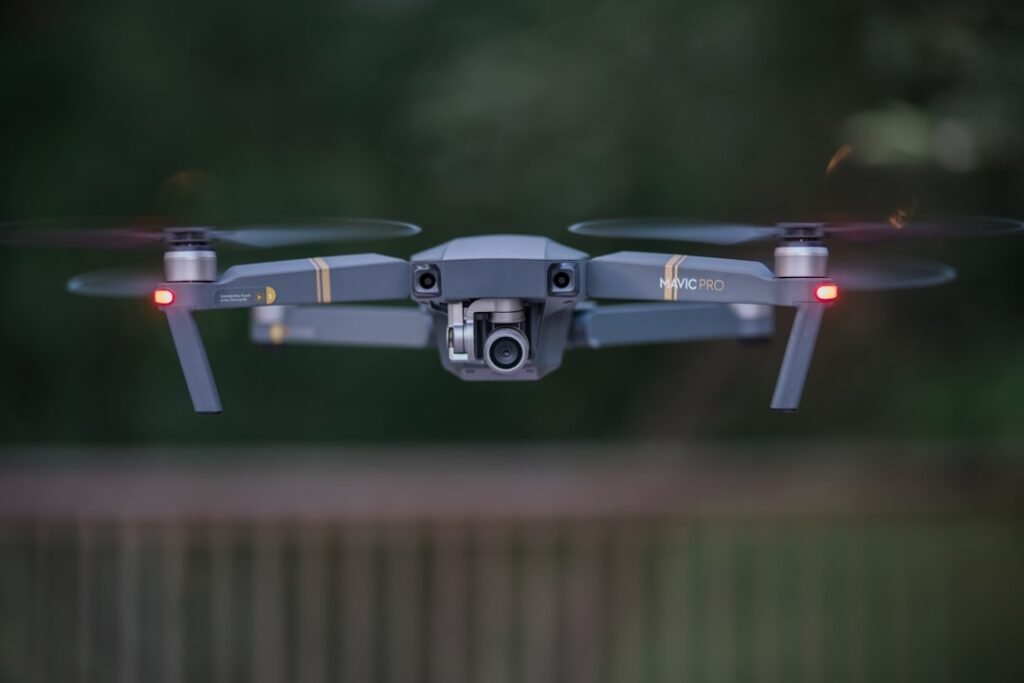
The recent Ukrainian drone strike on an upmarket Moscow high-rise, occurring just days before the highly symbolic Victory Day celebrations, carries profound Moscow drone attack implications that extend far beyond mere physical damage. This incident, set against Russia’s declared unilateral ceasefire for the event and its threat of retaliation on Kyiv, underscores a significant escalation in the psychological and strategic dimensions of the conflict. It represents a bold assertion of reach and capability, challenging the perceived invulnerability of the Russian capital and forcing a re-evaluation of urban defense strategies in an era of asymmetric warfare. For intelligence firms like A Square Solutions, understanding these evolving dynamics is crucial for anticipating future geopolitical shifts and their impact on global markets and digital ecosystems.
1
Drone Reported
2
Days to Victory Day
50+
Stories High Impact
The Evolving Calculus of Asymmetric Warfare and Moscow Drone Attack Implications
The strike on a Moscow high-rise is not merely an act of aggression but a potent psychological operation. By targeting a symbol of urban affluence and stability, Ukraine aims to erode public confidence, demonstrate operational reach, and complicate Russia’s domestic narrative, especially on a historically significant date. This incident highlights the growing role of low-cost, high-impact asymmetric tools in modern conflict, where a single drone can generate disproportionate strategic effects. The implications for urban defense are significant, as traditional air defense systems designed for larger, faster threats prove less effective against small, slow-moving unmanned aerial vehicles (UAVs). This forces a re-evaluation of how cities protect critical infrastructure and civilian populations, demanding innovative solutions that integrate advanced sensor technology, AI-driven threat detection, and rapid response protocols. The incident also reignites debates around AI ethics and corporate accountability, particularly concerning the development and deployment of autonomous or semi-autonomous weapons systems.
Digital Echoes and Information Operations
In the contemporary geopolitical landscape, the immediate physical impact of a strike is often amplified by its digital reverberations. The Moscow drone attack implications are heavily shaped by how the event is framed and disseminated across global information networks. Both sides leverage social media, state-backed news, and citizen journalism to control narratives, influence public opinion, and project strength or victimhood. Russia’s swift declaration of a ceasefire and concurrent threat against Kyiv serves as a prime example of information warfare, aiming to deter further attacks while simultaneously rallying domestic support. Ukraine, conversely, uses such strikes to demonstrate resilience and maintain international attention. This dynamic environment necessitates sophisticated intelligence gathering and analysis, where firms track sentiment, identify disinformation campaigns, and provide real-time insights into the global perception of conflict. The rapid evolution of AI-powered content generation and search algorithms, as seen with developments like Google AI Overviews impact, further complicates this information battleground, making it harder to discern verifiable facts from strategically crafted narratives.
Defense Imperatives and Technological Responses
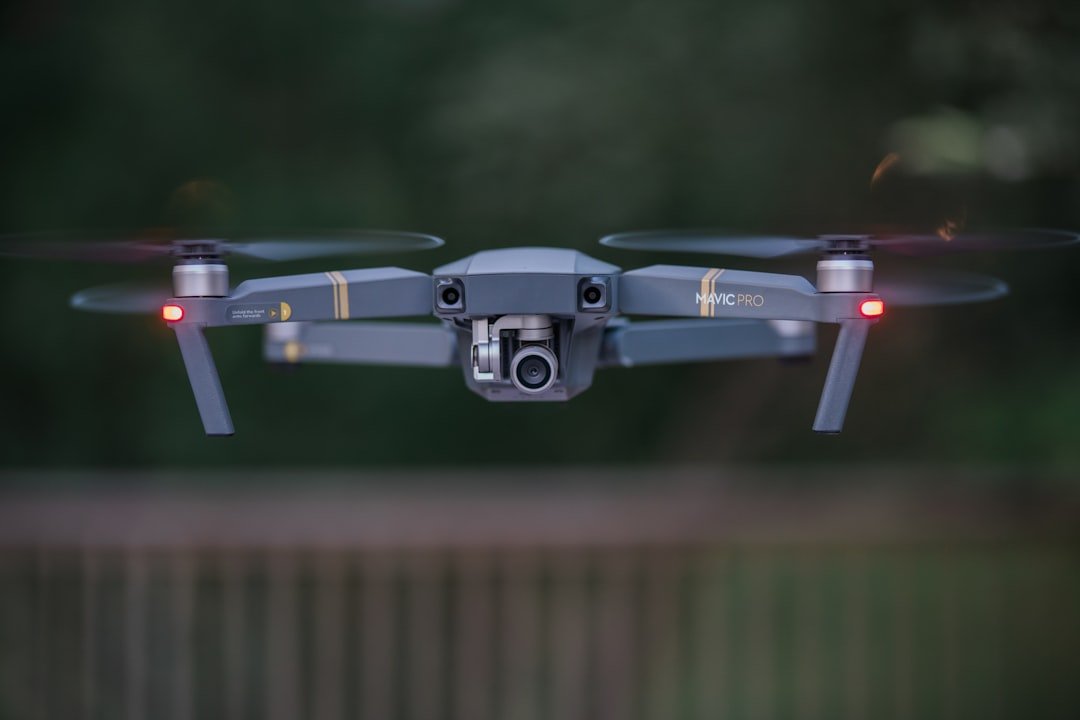
The incident underscores a critical defense imperative: adapting to the ubiquitous threat of drones. Modern urban environments, with their dense infrastructure and civilian populations, are particularly vulnerable. The response requires a multi-layered approach, encompassing not just traditional air defense but also advanced counter-UAV (C-UAV) technologies. These include radar and acoustic sensors for detection, electronic warfare systems for jamming, kinetic solutions like nets or interceptor drones, and even directed energy weapons. Data from recent conflicts indicates a sharp rise in drone usage, pushing defense industries to innovate at an unprecedented pace. The strategic Moscow drone attack implications are compelling nations to invest heavily in these defensive capabilities, creating new markets and driving technological advancements in AI-powered surveillance, autonomous interception, and real-time threat analysis. This technological arms race has significant economic ramifications, influencing defense spending and global supply chains.
| Incident Type | Primary Target | Strategic Impact |
|---|---|---|
| Urban High-Rise Drone Strike | Civilian/Symbolic Infrastructure | Psychological warfare, deterrence |
| Military Depot Attack | Logistics, equipment | Material damage, operational disruption |
| Border Incursion (Recon) | Intelligence gathering | Situational awareness, pre-strike prep |
Geopolitical Ripples and Future Scenarios
The strategic timing of the Moscow high-rise drone strike, coinciding with a period of heightened national symbolism for Russia, ensures its geopolitical reverberations are significant. It challenges Russia’s narrative of control and security, potentially galvanizing internal dissent or, conversely, strengthening calls for retribution. The international community watches closely, assessing the implications for escalation and the broader trajectory of the conflict. This incident may prompt other nations to reassess their own vulnerabilities to drone attacks, leading to increased investment in defensive technologies and intelligence capabilities. The long-term Moscow drone attack implications could include a shift in military doctrines, a re-prioritization of urban security, and greater emphasis on cyber and electronic warfare to counteract drone threats. The future of warfare, as this event starkly illustrates, is increasingly decentralized, technologically driven, and psychologically complex, demanding continuous adaptation from all actors.
“The psychological impact of a drone reaching deep into an adversary’s capital, especially ahead of a major national celebration, cannot be overstated. It’s a clear signal of intent and capability that forces a re-evaluation of security postures, not just in Moscow, but globally.”
— Dr. Anya Sharma, Senior Geopolitical Analyst, Institute for Modern Warfare Studies
Navigating the New Defense Paradigm
The incident serves as a stark reminder that the battle space is no longer confined to traditional front lines. Urban centers, once considered safe havens, are increasingly becoming targets for psychological and strategic strikes. This necessitates a paradigm shift in how security is conceived and implemented. Nations must move beyond reactive measures to proactive, intelligence-led defense strategies. This involves predictive analytics powered by AI, comprehensive sensor networks, and rapid deployment of counter-measures. The lessons learned from this drone strike and its aftermath will undoubtedly inform future defense policies and technological investments globally. The ongoing evolution of drone technology, coupled with the increasing accessibility of these systems, ensures that such incidents will become more frequent, demanding constant vigilance and innovation.
Urban Drone Defense
Advanced strategies and technologies for protecting metropolitan areas from UAV threats.
Information Warfare
Analyzing how narratives are shaped and disseminated during conflict, influencing global perceptions.
AI in Geopolitics
The role of artificial intelligence in intelligence, defense, and strategic decision-making.
Global Risk Assessment
Forecasting geopolitical instability and its impact on international markets and business operations.
← Scroll to explore →
🚀 How A Square Solutions Can Help
Turn This Intelligence Into Business Growth
We build AI-powered digital growth systems that turn emerging intelligence into revenue — through SEO automation, content systems, web infrastructure, and analytics.
📢 Business advertising partnerships available — reach our growing audience of tech decision-makers. Get in touch.
Frequently Asked Questions
What are the primary Moscow drone attack implications?
The primary implications include a significant psychological impact on the Russian populace, a challenge to Russia’s perceived security, an escalation in asymmetric warfare tactics, and a global re-evaluation of urban defense strategies against drone threats.
How does this incident affect information warfare?
Such incidents become focal points for intense information warfare, with both sides leveraging media and digital platforms to control narratives, influence public opinion, and project specific images of strength or victimhood. The rapid spread of information makes real-time intelligence crucial.
What technological responses are emerging due to drone threats?
The rising drone threat is accelerating the development of multi-layered counter-UAV (C-UAV) systems, including advanced sensors, electronic warfare, kinetic interceptors, and AI-driven threat detection. Investment in these technologies is rapidly increasing globally.
How do these geopolitical events impact digital growth intelligence?
Geopolitical events like the Moscow drone attack create shifts in global sentiment, market stability, and technological investment. Digital growth intelligence companies track these changes to provide clients with insights into emerging markets, defense sector opportunities, and evolving information landscapes for strategic business decisions.