
Introduction to Galactic Cannibalism
📚 Further Reading
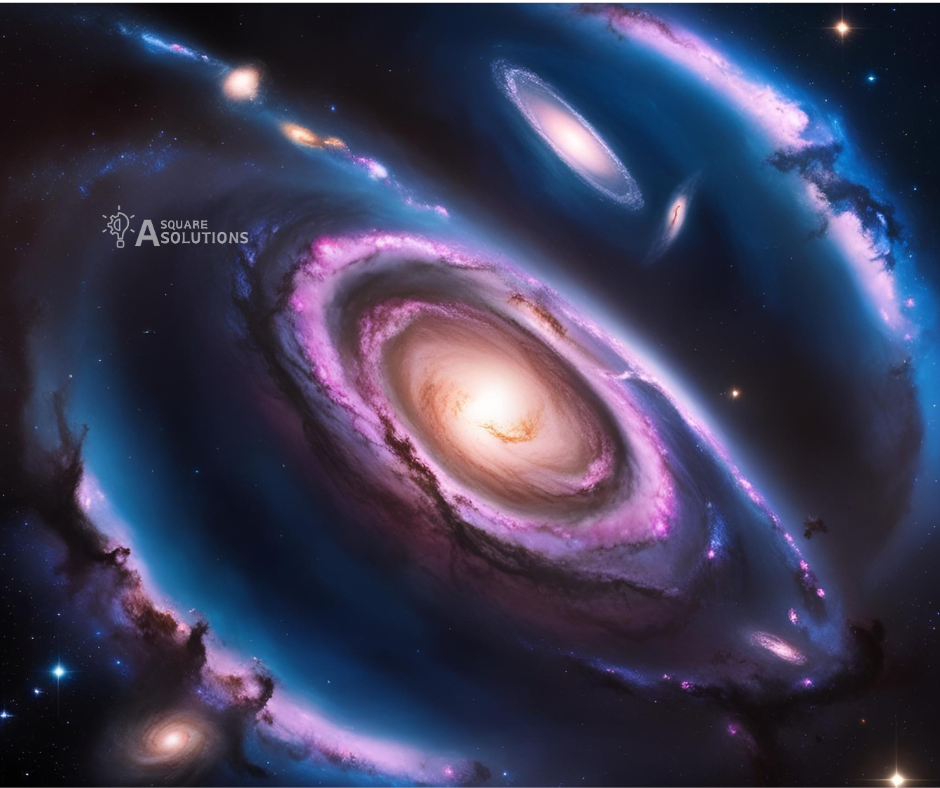
Galactic cannibalism is a concept in astrophysics that describes the process whereby larger galaxies gravitationally assimilate smaller ones. This phenomenon is particularly critical in understanding the dynamics and evolution of galaxies. The process is marked by interactions between galaxies leading to mergers or disruptions, which can significantly alter their structures and star formation rates. A prominent example of galactic cannibalism in our cosmic neighborhood involves the interaction between the Small Magellanic Cloud (SMC) and its larger counterpart, the Large Magellanic Cloud (LMC).
The SMC, a satellite galaxy of the Milky Way, is currently engaged in a complex gravitational interaction with the LMC. The LMC, being the more massive of the two, exerts a dominant gravitational influence over the SMC. This interaction raises intriguing questions regarding the future of the SMC and plays a crucial role in understanding the nature of galactic evolution in the Local Group of galaxies. The SMC may face significant structural changes as it is being drawn toward the LMC, potentially leading to the stripping of its stars and gas, a hallmark of galactic cannibalism.
Research into this phenomenon not only sheds light on the fate of dwarf galaxies like the SMC but also has broader implications for the field of astrophysics. It allows scientists to explore fundamental mechanisms of galaxy formation and the role of environmental interactions in shaping the cosmos. Numerous studies have been conducted over recent years, utilizing advanced observational techniques and computer simulations to provide insights into how such interactions influence galaxies and their surrounding environments. Ultimately, by examining the case of the SMC in relation to the LMC, astronomers can gain a better understanding of the inherent processes driving the evolution of galaxies across the universe.
You may also explore our analysis on how artificial intelligence is helping astronomers discover new exoplanets, highlighting the growing role of AI in modern space research.
Key Discovery by Nagoya University

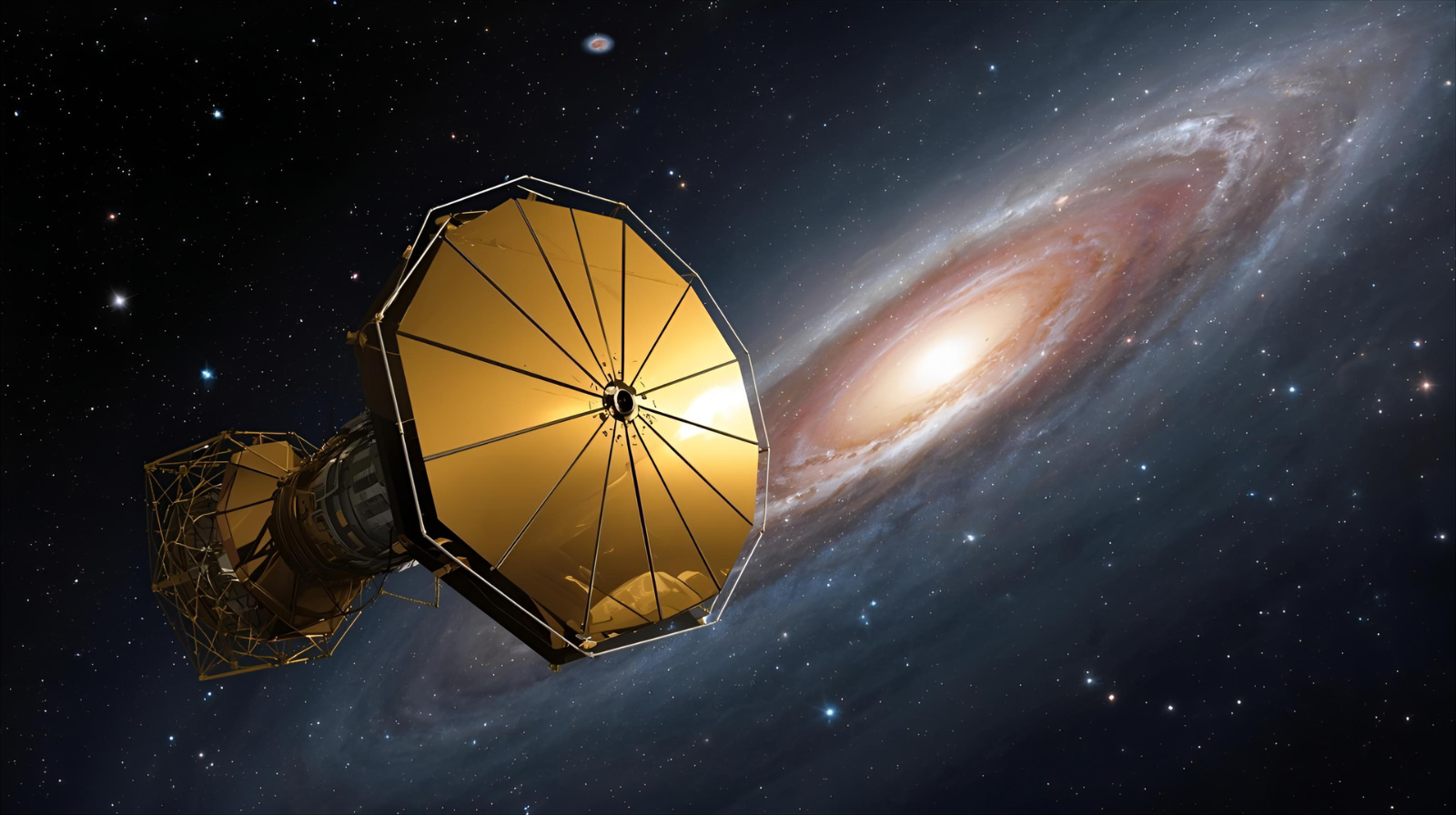
In 2025, researchers from Nagoya University made a groundbreaking discovery regarding the Small Magellanic Cloud (SMC), providing the first direct evidence of its disruption within the context of galactic interactions. This pivotal study utilized advanced astronomical techniques to observe and analyze the stellar streams emanating from the SMC, revealing the profound impact of gravitational forces, particularly from the Large Magellanic Cloud (LMC), on its structural integrity and overall evolution.
The researchers focused primarily on the dynamics of the SMC and identified distinct stellar streams that are believed to be the remnants of the SMC being torn apart by the gravitational pull of the LMC. This phenomenon, often referred to as “galactic cannibalism,” occurs when larger galaxies exert their gravitational influence on smaller companions, leading to the gradual stripping away of stars and gas. The study showcased how these stellar streams, formed as stars are pulled from their original galactic host, serve as critical indicators of the interaction between the SMC and the LMC.
By employing high-resolution observations and analytical models, the Nagoya University team was able to map the stellar density and motion of the SMC, revealing patterns that were inconsistent with a stable galactic structure. These findings have significant implications for our understanding of galactic evolution, as they highlight the intricate relationships between galaxies and the influence of gravitational interactions on their lifecycle. Furthermore, this research underscores the importance of the SMC’s transformation, which could provide insights into similar processes occurring in other galaxies throughout the universe.
In summary, the 2025 study by Nagoya University presents critical evidence of the disruption of the Small Magellanic Cloud, advancing the field of astronomy by elucidating the mechanisms behind galactic cannibalism and its role in the broader narrative of cosmic evolution.
We previously explored groundbreaking discoveries in our article on quantum structured light and next-generation scientific technologies.
The Galactic Battlefield: SMC vs. LMC Parameters
The Small Magellanic Cloud (SMC) and the Large Magellanic Cloud (LMC) are two irregular dwarf galaxies that orbit the Milky Way, each presenting unique characteristics that contribute to the understanding of their interactions. One notable aspect of these galaxies is their mass, a critical parameter that influences their gravitational influence on surrounding structures. The mass of the SMC is estimated to be around 3.0 × 10⁹ solar masses, while the LMC, being significantly larger, possesses an estimated mass of approximately 1.4 × 10¹⁰ solar masses. This substantial difference underscores the inherent imbalance in robustness between the two galaxies.
In terms of distance from Earth, the SMC is located approximately 200,000 light-years away, whereas the LMC is situated about 163,000 light-years from our planet. This proximity factor plays a vital role in their respective gravitational interactions with the Milky Way and sets the stage for understanding potential tidal forces affecting the SMC.
Recent research has indicated distinct signs of disruption within the SMC. Observations reveal that the SMC is experiencing significant star formation activities driven by its interactions with the LMC, highlighting the possibility of tidal deformation. The SMC exhibits a trail of diffuse gas and stars that evidences its vulnerability to the more massive LMC, which is effectively altering its structure over time.
In summary, a comparative analysis of the SMC and LMC showcases the disparity in their masses, distances from Earth, and current signs of galactic disruption. This data contributes to a broader understanding of galactic evolution and the gravitational dynamics at play in this cosmic battlefield.
Detection of Disruption: Methods Used by Astronomers
The study of galactic cannibalism has greatly advanced with the development of sophisticated observational techniques. Among the most notable tools deployed in this field is the Gaia telescope, which utilizes a groundbreaking 3D mapping approach to chart the Milky Way and its neighboring galaxies. This technology allows astronomers to obtain precise measurements of stellar positions, motions, and distances across a three-dimensional framework. With Gaia’s extensive data set, researchers can discern the intricate structures and dynamics of celestial formations, including the Small Magellanic Cloud.
One of Gaia’s key contributions is its ability to support chemical fingerprinting through spectroscopy. This process involves analyzing the light spectrum emitted by stars to identify their chemical compositions. By detecting variations in elemental abundances, scientists can trace the historical star formation activities within the Small Magellanic Cloud and identify stellar populations that have been influenced by tidal interactions. Such characterization is crucial for recognizing the evidence of disruption, as the remnants of galactic interactions often manifest in the form of tidal tails and newly formed star streams.
The identification of these stellar structures signals a pivotal milestone in our understanding of galactic evolution. Tidal tails are elongated streams of stars and gas that extend from a galaxy due to gravitational interactions during encounters with other galaxies. Utilizing Gaia’s comprehensive data, astronomers have successfully mapped these tidal features, providing compelling evidence that the Small Magellanic Cloud is undergoing extensive disruption. The discovery of new star streams further enhances the narrative of this celestial drama, illustrating the dynamic and ever-evolving nature of the cosmos.
The Physics of Galactic Destruction
The interaction between the Small Magellanic Cloud (SMC) and the Large Magellanic Cloud (LMC) is a compelling example of galactic dynamics influenced by gravitational mechanics. When two galaxies approach one another, they exert tidal forces that can lead to significant alterations in their structures. The LMC, being the larger of the two, exerts a stronger gravitational pull on the SMC. This interaction leads to the redistribution of mass within the SMC and can initiate processes that result in complete galactic disruption.
In addition to tidal forces, the gravitational influence of the Milky Way’s halo plays a crucial role in the SMC-LMC interaction. The Milky Way’s halo, comprising dark matter, creates a gravitational well that affects both the SMC and LMC. As the SMC is pulled closer to the LMC, this halo contributes to an increase in tidal forces, exacerbating the potential for galactic cannibalism. The unique combination of gravitational attraction from the LMC and the overarching influence of the Milky Way results in a complex gravitational ballet, significantly impacting the structure and stability of the SMC.
Recent simulations have highlighted the implications of these forces on gas loss within the SMC. As the SMC is subjected to tidal interactions, gas is stripped from its core, diminishing its ability to form new stars and ultimately leading to a decrease in its overall mass. This process not only affects the SMC’s immediate structure but also alters its long-term evolution. Over time, the cumulative effect of these gravitational interactions may render the SMC increasingly susceptible to being torn apart, illustrating the intricate and often violent nature of galactic collisions in the universe.
You may also find our article on AI piloting robots on the International Space Station useful for understanding how advanced technologies are transforming space exploration.
Timeline of the SMC’s Destruction
The Small Magellanic Cloud (SMC) has been shaped and influenced by a series of significant cosmic events throughout its existence. Understanding the timeline of the SMC’s destruction is crucial for contextualizing the ongoing effects of galactic cannibalism and its interactions with neighboring celestial bodies.
Initial studies suggest that the SMC began its tumultuous journey approximately 3 billion years ago. During this period, it had its first encounter with the Large Magellanic Cloud (LMC), a relationship marked by gravitational interaction. The gravitational forces initiated a process of tidal stripping, where the material of the SMC was gradually pulled towards the LMC. This dramatic event laid the groundwork for the SMC’s subsequent evolution and hinted at the destructive path it would follow.
As time progressed, around 1 billion years ago, the effects of the LMC continued to dominate the dynamics of the SMC. Observations indicate that the SMC experienced accelerated rates of star formation due to this intense interaction, yet it also led to significant structural disruption. The SMC’s original shape began to distort as stars and gas were siphoned away, a clear indicator of the galactic cannibalism phenomenon that was taking place.
Currently, ongoing research reveals that the SMC is still experiencing active stripping, as evidenced by recent satellite observations. The LMC’s gravitational influence remains potent, with significant material still being stripped away from the SMC. Predictions suggest that this mutual interaction will culminate in a future merger event that may transpire within the next few billion years, further altering the structure and characteristics of both the SMC and LMC.
In summary, the timeline of the SMC’s destruction illustrates the dynamic and often destructive relationship it shares with the LMC, highlighting an ongoing evolutionary process that embodies the concept of galactic cannibalism.
Implications for Galactic Science
The recent discoveries regarding the Small Magellanic Cloud (SMC) have significant implications for our understanding of galaxy evolution. Traditionally, the formation and subsequent development of galaxies have been understood through models that primarily focus on major mergers between larger galaxies. However, observations of the SMC highlight the profound impact that minor mergers can have on galactic structures, thereby challenging established paradigms. The interactions between smaller satellite galaxies and larger host galaxies can induce changes in star formation rates, morphology, and overall dynamics.
Furthermore, the potential asymmetry of dark matter halos contributes to the complexity of galaxy evolution models. The idea that dark matter is not uniformly distributed has been supported by the analysis of the SMC’s gravitational influences. This asymmetry can lead to varied dynamical interactions that may not have been accounted for in previous models, suggesting that a more nuanced approach to dark matter distribution is necessary. By reevaluating the significance of dark matter halos in the context of minor mergers, astrophysicists can better predict the evolution of both dwarf and large galaxies.
Additionally, the discovery of ‘dying dwarf galaxies’ in relation to the SMC provides new insights into the lifespan and fate of these smaller galactic entities. Identifying these galaxies enhances our understanding of how environmental factors and interactions influence their star formation processes. This not only expands the classification of dwarf galaxies but also underscores the importance of examining their evolution under various gravitational influences. Overall, the findings related to the Small Magellanic Cloud serve to refine existing galaxy evolution theories, thereby enriching the field of astrophysical research.
Our article on global technology power shifts and the future of innovation also examines how scientific breakthroughs are shaping the future of research and discovery.
The Milky Way’s Future: Insights from the SMC
The anticipated merger of the Small Magellanic Cloud (SMC) with the Large Magellanic Cloud (LMC) offers significant insights into the future evolution of the Milky Way galaxy. As these two dwarf galaxies interact, their gravitational forces will not only alter their own structures but also extend their impact to the Milky Way. Through the ongoing process known as galactic cannibalism, the SMC is being gradually drawn towards the LMC, leading to a dynamic cosmic scenario that may have lasting implications for our galaxy.
Studies suggest that the debris from the SMC, which includes gas, dust, and stars, will feed into the Milky Way as the galaxies merge. This influx of material may enhance star formation rates within our galaxy, resulting in the birth of new stars and possibly enriching the interstellar medium. As the Milky Way assimilates the remnants of the SMC, it has the potential to undergo significant structural transformation, particularly in its outer regions, where the newly accreted material may contribute to the formation of star clusters or new galactic structures.
Moreover, the interaction between the SMC and LMC is likely to provide insights into the gravitational interactions that can take place among larger galaxies, including the Milky Way. As the SMC is torn apart and absorbed, the Milky Way may experience shifts in its stellar orbits and overall mass distribution. Galaxies are not static entities; they evolve through the gravitational influences of their surroundings. Therefore, understanding the process of galactic cannibalism as it relates to the SMC offers a framework through which we can predict future scenarios for our own galaxy, particularly as it interacts with its neighboring systems.
Next-Generation Observation Plans
The exploration of cosmic phenomena, such as galactic cannibalism, relies heavily on advanced observational missions designed to provide unprecedented insights into the complexities of stellar interactions and structural evolution within galaxies. Upcoming projects, notably the James Webb Space Telescope (JWST) deep survey and the Roman Space Telescope, are poised to significantly enhance our understanding of the Small Magellanic Cloud (SMC) and its interactions with surrounding galactic entities.
The JWST, known for its powerful infrared capabilities, will play a crucial role in observing the SMC’s faint celestial features. It aims to map the detailed distribution of stars and gas in the region, shedding light on the ongoing processes of star formation and gas loss that characterize the SMC. This mission offers the promise of identifying new stellar streams and assessing the cloud’s integrity as it faces the gravitational influence of larger neighboring galaxies.
Complementing this effort, the Roman Space Telescope will provide a broader view of the cosmic infrastructure. Its wide-field imaging capabilities will allow for the identification of transient events and the analysis of stellar migration patterns caused by galactic interactions. The telescope’s advanced survey techniques will enhance the characterization of stellar streams originating from the SMC, facilitating a deeper understanding of its structural evolution and resilience against cannibalistic forces from the Milky Way and other galaxies.
In addition to these significant missions, citizen science initiatives, like those facilitated by the Zooniverse project, will engage the public in the analysis of astronomical data. These collaborative efforts can harness the collective intelligence of non-professionals to identify patterns and anomalies within observational data, further informing research on the SMC. Together, these next-generation observation plans stand to provide a comprehensive framework for studying the intricate dance of galactic cannibalism and its implications for our universe.