
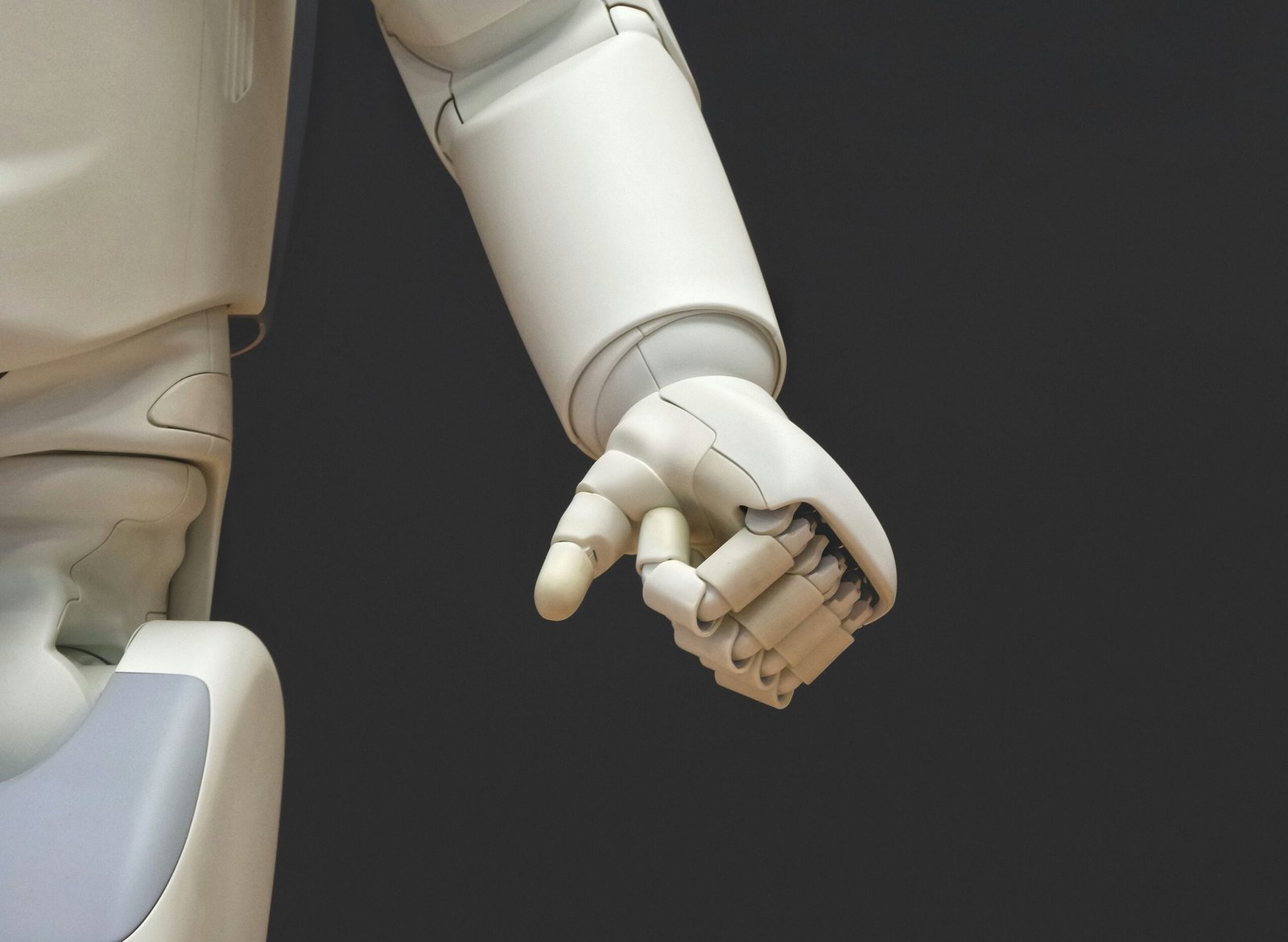
robotic automation accelerating scientific —
Introduction to Robotic Automation in Laboratories
📺 Watch: Website Automation & Time Freedom 🚀 Build Systems That Make Money
📚 Further Reading
Robotic automation in laboratories signifies a transformative shift in how scientific research is conducted across various disciplines including chemistry, biochemistry, and materials science. This technology harnesses the capabilities of robots and automated systems to perform tasks traditionally done by humans, enhancing efficiency and precision in experimental methodologies. With the rapid advancements in artificial intelligence (AI) and machine learning, the integration of robotic systems within laboratories has become increasingly feasible and beneficial.
The application of robotic automation allows for repetitive and time-consuming tasks to be executed with remarkable accuracy and speed. In chemistry laboratories, for instance, robots can automate the preparation of reagents, conduct titrations, and even carry out complex synthetic procedures. This not only minimizes human error but also accelerates the pace at which experiments can be conducted, enabling researchers to focus on more critical analyses and innovative aspects of their work.
Biochemical research has also seen substantial improvements through the inclusion of robotic systems. Robotic arms and liquid-handling robots facilitate high-throughput screening processes, allowing scientists to test numerous compounds or conditions simultaneously. This high degree of automation is invaluable in drug discovery processes, where time and precision are crucial to identifying effective candidates. Furthermore, materials science benefits from robotic automation as it aids in the rapid synthesis and characterization of new materials, broadening the horizons of research possibilities.
With the increasing demand for reproducibility and reliability in scientific findings, robotic automation stands as a pivotal force driving innovations in experimental procedures. The seamless integration of these technologies not only enhances laboratory workflows but also aligns with global goals of improving research productivity. As more laboratories embrace this technological shift, the landscape of scientific research continues to evolve, heralding a new era marked by accelerated discovery and innovation.
Role of AI in Scientific Research

Artificial intelligence (AI) is playing an increasingly pivotal role in enhancing scientific research across various disciplines. Its capabilities in data analysis, pattern recognition, and predictive modeling are transforming traditional laboratory practices, leading to improved research outcomes. By automating complex processes and handling vast amounts of data, AI is enabling researchers to focus more on innovative ideation rather than mundane data management tasks.
One significant application of AI in scientific research is its ability to process and analyze large datasets quickly. In fields such as genomics and drug discovery, researchers often grapple with immense volumes of data generated from experiments. AI algorithms, particularly those based on machine learning, can identify patterns and correlations that would otherwise remain obscured to human analysts. This rapid data processing capacity facilitates better-informed decisions and accelerates the pace of discovery.
We explored intelligent automation further in our article on MIT’s breakthrough in robot training, highlighting how AI enhances machine learning efficiency.
Furthermore, AI-driven predictive modeling is proving invaluable in experimental design. By leveraging historical data, researchers can predict potential outcomes before conducting new experiments, thereby optimizing resource allocation and minimizing costs. For example, in the realm of clinical trials, machine learning models can predict patient responses to new therapies, allowing more targeted and effective research methodologies.
Additionally, AI is enhancing collaboration within the scientific community. By integrating AI tools, researchers can share insights and data across institutions seamlessly. This interconnectedness fosters a collaborative environment where multidisciplinary teams can work together more efficiently, driving faster progress in science.
As AI technology continues to evolve, its integration in laboratories promises to revolutionize scientific research. By streamlining processes, improving accuracy, and fostering collaboration, AI is set to play an indispensable role in the future of scientific inquiry.
The Transformation of Experimentation Processes
Robotic automation and artificial intelligence (AI) are fundamentally transforming experimentation processes across various scientific fields, leading to unprecedented advancements in research efficiency and accuracy. Traditional laboratory practices often rely on manual methods that can be time-consuming and prone to human error. With the introduction of robotic systems, laboratories are now able to automate repetitive tasks, allowing researchers to focus on higher-level analytical processes. This shift is particularly beneficial for complex experimental procedures, such as high-throughput screening, where thousands of samples can be processed simultaneously.
The integration of AI algorithms further enhances the precision of experimentation by enabling data analysis and pattern recognition at a scale and speed unattainable by human effort. AI-driven systems can optimize experimental conditions by processing vast datasets to identify the most promising variables for a particular study. For instance, machine learning models can predict the outcomes of chemical reactions or biological experiments, significantly reducing the number of trials needed to achieve successful results.
Furthermore, the adaptability of robotic systems allows for real-time adjustments during experiments. For example, if an anomaly is detected during a procedure, AI can quickly analyze the situation and instruct robotic systems to modify parameters accordingly, minimizing waste and ensuring consistent results. This immediate feedback loop fosters a more agile research environment, enabling greater exploratory initiatives while reducing the time and resources traditionally associated with trial-and-error methodologies.
As experimentation processes evolve through the advancements in robotic automation and AI, laboratories can achieve faster turnaround times on research studies. Moreover, these technologies not only amplify productivity but also ensure that scientific investigations are conducted with greater precision and reliability. Consequently, the implications of these transformations extend beyond individual labs, potentially accelerating the overall pace of scientific progress across disciplines.
Unlocking Breakthroughs in Health, Energy, and Electronics
The integration of robotic automation and artificial intelligence (AI) into scientific laboratories has catalyzed remarkable advancements across various sectors, including health, energy, and electronics. These technologies are unlocking breakthroughs that were previously deemed unattainable, transforming research processes and outcomes.
In the health sector, robotic automation has been instrumental in drug discovery and development. For instance, high-throughput screening robots enable the rapid testing of thousands of compounds against biological targets, significantly reducing the time required to identify promising drug candidates. AI algorithms further enhance this process by analyzing vast datasets to predict which compounds are most likely to succeed in clinical trials. A notable example includes the use of AI by Insilico Medicine, which successfully identified a novel drug candidate for fibrosis within just 46 days, showcasing how these technologies can effectively expedite the research timeline.
Similarly, breakthroughs in energy research have been achieved through the application of AI and robotics. In the quest for sustainable energy solutions, robotic systems streamline the process of testing new materials for solar cells or batteries. The National Renewable Energy Laboratory (NREL) utilizes automated platforms to synthesize and characterize perovskite materials, resulting in a significant increase in solar cell efficiency. AI-driven predictive models also allow researchers to optimize energy consumption in real-time, leading to enhanced operational efficiencies in energy systems.
In the electronics industry, the fusion of robotics and AI is driving the rapid development of advanced materials and components. Robotics facilitate precision manufacturing processes for microelectronics, enabling the production of smaller and more efficient devices. AI algorithms predict material performance and guide the design of novel semiconductors, which have far-reaching implications for computing and telecommunications. Companies like Intel leverage these technologies to accelerate the development of next-generation chips, confirming the essential role AI and robotics play in advancing electronics.
As these case studies illustrate, robotic automation and AI are revolutionizing multiple scientific domains, providing unprecedented capabilities that propel innovation and enhance productivity in laboratories worldwide.
Challenges and Considerations in Implementing Automation
The integration of robotic automation and artificial intelligence (AI) technologies in laboratory settings offers significant advantages, yet it is not without its challenges. One of the primary concerns relates to the cost associated with these advanced systems. The initial investment for high-quality robotic systems and AI software can be substantial, posing a barrier to many laboratories, especially those with limited budgets. Additionally, ongoing maintenance, software updates, and potential troubleshooting expenses can further inflate the total cost over time. Laboratories must perform a thorough cost-benefit analysis to determine if the long-term gains in efficiency and accuracy will outweigh the immediate financial outlay.
Another critical consideration is the need for comprehensive training and upskilling of laboratory personnel. With the introduction of robotic automation and AI, staff members may need to acquire new skill sets that are not traditionally covered in standard laboratory training programs. This may include understanding how to operate and maintain robotic systems, as well as the ability to analyze AI-generated insights. Implementing a robust training program is essential, as it not only ensures operational proficiency but also helps alleviate any apprehension among staff regarding the emerging technologies.
Furthermore, the shift towards automation may necessitate a reevaluation of workforce roles. Traditional job descriptions may need to be redefined, as some tasks previously performed by human technicians could be taken over by robots. This transition could lead to resistance from employees who may fear job displacement or might find it challenging to adapt to new responsibilities. Addressing these workforce dynamics is crucial for fostering an environment that embraces change instead of resisting it. Consequently, successful implementation of robotic automation and AI requires careful planning, consideration of cost implications, effective training programs, and a proactive approach to redefining job roles within the laboratory.
For insights into ethical AI frameworks, see our analysis of industry alignment on open-source AI standards.
Future Prospects of Robotics and AI in Science
The intersection of robotics, artificial intelligence (AI), and scientific research is poised to shape the future of laboratories significantly. As advancements in these technologies continue to unfold, the trajectory of their integration into scientific processes is predicted to evolve considerably. Experts project that over the next decade, we will witness an increasing reliance on robotic systems and AI-driven analytics to enhance the efficiency and accuracy of experimental procedures.
One clear trend is the move towards highly automated laboratories, where robots will handle repetitive tasks, allowing scientists to concentrate on more complex problem-solving. Automated liquid handling systems, for instance, are already streamlining processes such as sample preparation and analysis. Future iterations of these systems are expected to incorporate AI to optimize workflows, predict outcomes, and reduce human error. The combination of machine learning algorithms with robotic automation can lead to more sophisticated experimental designs, identifying patterns and anomalies that may not be evident to human researchers.
Furthermore, the role of collaborative robots, or cobots, is likely to increase. These machines will work alongside human scientists, assisting them in tasks that require strength or precision. This collaboration is anticipated to enhance laboratory throughput, foster innovation, and facilitate the exploration of new scientific frontiers. Such partnerships are also expected to improve training opportunities for emerging scientists, as they will have hands-on experience working with advanced technologies.
Additionally, the integration of AI in data analysis will revolutionize how researchers interpret large datasets generated in the lab. With the growing complexity of experimental data, AI algorithms can be utilized to extract meaningful insights, predict trends, and suggest further lines of inquiry. As these technologies continue to advance, the scientific community will benefit from accelerated discoveries and a deeper understanding of complex biological and physical systems.
The integration of AI into precision systems is also examined in our coverage of microswimmer navigation technology, where automated control operates at the micro-scale.
Further research on AI-driven laboratory automation has been published by the University of North Carolina at Chapel Hill.
Educational Resources on Robotic Automation and AI in Science
In the rapidly evolving field of scientific research, the integration of robotic automation and artificial intelligence (AI) plays a crucial role. To effectively keep pace with these advancements, it is essential for researchers, students, and professionals to continuously educate themselves. Below are some recommended books and articles that provide valuable insights into the influence of robotic automation and AI on scientific progress.
One of the premier books on the subject is “Robot-Proof: Higher Education in the Age of Artificial Intelligence” by Joseph E. Aoun. This book discusses how education needs to evolve in the face of technological advancements, including automation and AI, equipping readers with a framework for adapting to changes in the workforce. You can find this book on Amazon.
Another notable recommendation is “The Future of Work: Robots, AI, and Automation” by Darrell M. West. This text delves into the implications of AI and robotic automation in the workplace, detailing how industries can innovate and adapt. Readers can purchase it easily through Amazon.
In addition to these books, academic journals and research papers are valuable resources for understanding current trends in this field. For instance, “AI and Robotics: Implications for the Future of Scientific Research” provides a comprehensive analysis of the intersection of these technologies within laboratory settings. Access to such articles can often be found in databases like Google Scholar or through university libraries.
Moreover, online platforms such as ResearchGate host numerous papers and discussions about the latest advancements in robotic automation and AI, encouraging collaborative learning among scientists and technologists alike.
To foster a deeper understanding and engagement with these topics, it is beneficial to explore these resources, which contribute to the widening body of knowledge surrounding robotics and AI in scientific endeavors.
Related Research and References
Numerous studies have illustrated the profound impact of robotic automation and artificial intelligence (AI) on scientific advancements, particularly within laboratory settings. One significant source is the research conducted by the University of North Carolina at Chapel Hill, which delves into the integration of AI systems in laboratory environments. This study demonstrates how machine learning algorithms can assist in data analysis, allowing scientists to identify patterns and derive insights from large datasets that would otherwise be unmanageable.
Furthermore, the collaborative potential of AI and robotic systems is showcased in the aforementioned UNC study. This research highlights how automation can not only enhance efficiency but also reduce human error during laboratory procedures. By utilizing robotic systems for repetitive tasks such as pipetting or sample sorting, researchers can allocate their time to more complex decision-making processes, thereby fostering innovation and accelerating progress in scientific discovery.
Additionally, an article published on Science Daily provides further evidence of the burgeoning role that AI technologies play in contemporary research. The article outlines various case studies where laboratories implementing AI-driven solutions have reported increased throughput in experiments and a higher success rate in result accuracy. This underscores the crucial role that advanced technologies are playing in shaping the future of scientific inquiry.
Moreover, the integration of robotics within laboratories has been exemplified through research that emphasizes the collaborative nature of human-robot interaction in experimental settings. As detailed in various publications, such synergies lead not only to efficiency improvements but also to groundbreaking new methodologies that were previously unobtainable.
Through these pivotal studies and findings, it is evident that the collaboration between robotic automation and AI is reshaping laboratories, fostering an environment rich in innovation and scientific progress.
Conclusion and Call to Action
Throughout this blog post, we have explored the transformative impact of robotic automation and artificial intelligence on scientific progress in laboratories. As we have seen, these technologies significantly enhance the efficiency and accuracy of research processes, allowing scientists to focus on innovation and discovery rather than mundane tasks. The integration of robotics and AI not only accelerates experimentation but also fosters collaboration across various scientific disciplines, streamlining workflows and making it possible to analyze vast amounts of data swiftly. Moreover, the ability of AI to learn from previous experiments and optimize processes brings forth new avenues for research that were previously unattainable.
Importantly, the advancements in robotic automation are paving the way for novel solutions to complex scientific challenges. This synergy between automation and cognitive computing positions laboratories to achieve unprecedented levels of precision in their work, ultimately pushing the boundaries of knowledge. Institutions that embrace these technologies are likely to lead the way in scientific discovery, setting a precedent for future research methodologies.
As we reflect on these developments, it is crucial for researchers, institutions, and industry stakeholders to adopt this technological evolution, understanding its potential to reshape the landscape of scientific inquiry. While there are challenges to consider—such as ethical implications and the need for workforce adaptation—the benefits of robotic automation and AI in the laboratory setting are significant and cannot be overlooked.
We invite you to share your thoughts on these advancements in our comments section below. How do you envision the role of AI and robotics in future scientific endeavors? Additionally, if you found this article insightful, please consider sharing it with your colleagues and networks to foster a broader discussion on the importance of these technologies in advancing scientific research.