
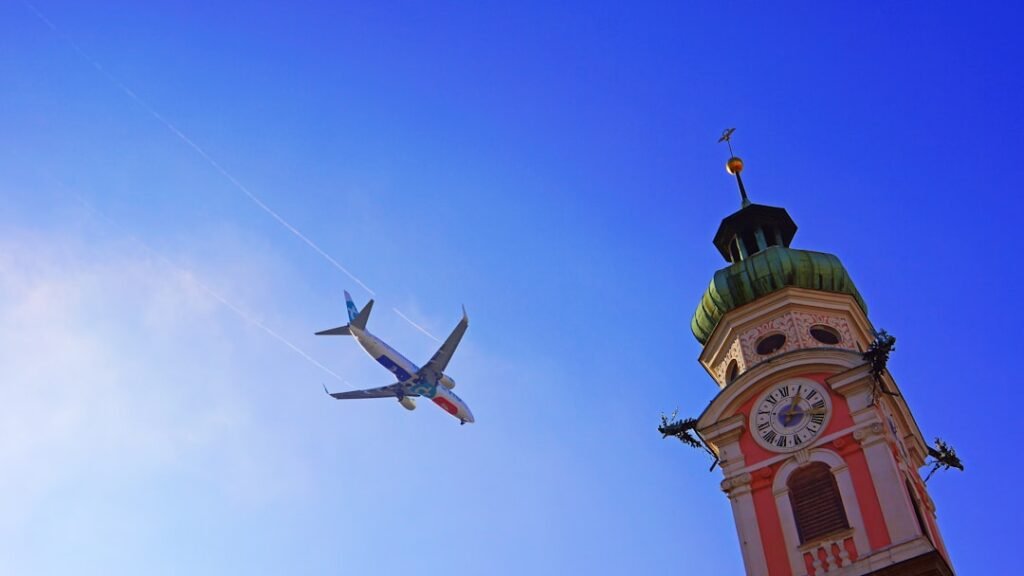
Amidst a global economic climate marked by inflationary pressures and elevated fuel costs, the prevailing narrative from many major carriers has been one of rising ticket prices. However, a fascinating counter-trend is emerging within the European aviation sector, particularly concerning the European airline demand strategy. Wizz Air CEO József Váradi has publicly stated that short-term European flight prices are falling, driven by a deliberate effort to stimulate demand. This strategic divergence challenges the industry’s conventional wisdom, prompting a deeper analysis into the competitive dynamics and consumer elasticity at play in a post-pandemic travel landscape.
Falling
Short-term European flight prices
Boosting
Wizz Air’s primary objective for price cuts
High
Fuel costs impacting other airlines
The Divergent Path: European Airline Demand Strategy and Wizz Air’s Market Gambit
In an environment where most airline executives point to surging fuel prices and operational costs as justifications for higher fares, Wizz Air is charting a distinct course. József Váradi’s assertion that European flight prices are declining in the short term, driven by a need to stimulate demand, represents a calculated risk. This European airline demand strategy by Wizz Air underscores a fundamental belief in the elasticity of leisure travel demand, particularly within its low-cost carrier segment. While competitors focus on yield management and passing on increased costs, Wizz Air appears to be prioritizing market share and capacity utilization, betting that a full plane at a lower average fare is more profitable than a partially empty one at a higher price point. This aggressive approach could force a reconsideration of pricing models across the continent, particularly as consumers remain sensitive to discretionary spending amid broader economic uncertainties.
Fuel Costs vs. Consumer Demand: A Strategic Crossroads
The tension between managing escalating operational costs, primarily fuel, and maintaining competitive pricing is a perennial challenge for airlines. However, Wizz Air’s current stance highlights a critical strategic fork in the road. Many carriers have adopted a reactive stance, adjusting prices upwards to cover the immediate impact of fuel price volatility. Wizz Air, conversely, seems to be adopting a proactive, demand-generation model, absorbing some of these cost pressures in the short term to secure a stronger market position. This mirrors aggressive growth strategies seen in other industries, where initial lower margins are accepted for long-term dominance. For instance, the rapid expansion of companies like BYD in the electric vehicle market showcases a similar philosophy of leveraging competitive pricing and scale to capture significant market share, as explored in our BYD electric vehicle growth strategy analysis. The success of Wizz Air’s strategy will hinge on its ability to sustain lower operating costs relative to its rivals and its capacity to convert increased passenger volumes into ancillary revenue streams.

Navigating the Digital Skies: Data, Pricing, and AI Overviews
The ability to effectively implement a demand-driven pricing strategy is inextricably linked to sophisticated data analytics and digital intelligence. Airlines like Wizz Air likely leverage advanced algorithms to dynamically adjust prices, predict demand, and optimize routes. This requires not just historical data but also real-time market signals and an understanding of how consumers search and discover travel options. The evolving landscape of digital search, particularly with the introduction of AI-powered summaries and generative experiences, could significantly influence how travelers perceive and compare flight prices. Understanding the implications of these shifts, such as the Google AI Overviews impact on traffic, becomes crucial for airlines aiming to capture demand through digital channels. A Square Solutions’ analysis indicates that visibility within these new search paradigms will be paramount for any airline’s digital growth strategy, directly affecting their ability to communicate competitive pricing and attract bookings.
Market Share Battles and Long-Term Viability
Wizz Air’s aggressive pricing could ignite a price war, particularly among low-cost carriers vying for the same segments of the European travel market. While beneficial for consumers in the short term, such competition can put significant pressure on airline profitability and, potentially, long-term viability. The key for Wizz Air will be to ensure that its lower fares translate into sustained market share gains and that its cost base remains significantly leaner than competitors. For legacy carriers, this move might force a re-evaluation of their own pricing structures, especially on routes where they directly compete with budget airlines. The ultimate outcome will depend on the duration of this price-sensitive period, the resilience of fuel prices, and the overall macroeconomic health of Europe. Airlines must balance immediate demand stimulation with the need to invest in fleet modernization, sustainable aviation fuels, and enhanced passenger experience, all of which require robust financial health.
| Airline Strategy | Primary Driver | Short-Term Market Impact |
|---|---|---|
| Wizz Air (Demand-Led) | Boost passenger volumes & market share | Falling prices, increased bookings, competitive pressure |
| Other Airlines (Cost-Led) | Cover rising fuel & operational costs | Rising prices, focus on yield, potential market share loss |
| Industry Average | Balance profitability & market position | Mixed pricing signals, consumer confusion, strategic re-evaluation |
“The aviation sector is a delicate ecosystem where cost structures and consumer behavior constantly vie for dominance. Wizz Air’s move to lower prices isn’t just a tactical play; it’s a profound statement on their belief in market elasticity and their operational efficiency. This could be a shrewd maneuver to consolidate market share in a fragmented European market, or a high-stakes gamble against persistent inflationary headwinds.”
— Dr. Anika Sharma, Aviation Economist & Market Strategist
Implications for Travelers and the Broader Economy
For European travelers, Wizz Air’s strategy of falling short-term flight prices presents an immediate benefit: more affordable travel options. This could unlock latent demand, particularly for leisure travel, and potentially boost tourism-dependent economies across the continent. However, the sustainability of such aggressive pricing remains a concern. If other airlines are forced to follow suit without the same cost efficiencies, it could lead to financial strain across the industry. From a broader economic perspective, increased travel volumes, even at lower prices, contribute to GDP through ancillary spending on accommodation, dining, and local services. This demand-side stimulus could provide a welcome, albeit localized, economic uplift, contrasting with the overall inflationary pressures experienced elsewhere. The long-term impact will be a crucial indicator of whether a demand-led European airline demand strategy can truly thrive against a backdrop of increasing input costs and environmental mandates.
✈️
Demand Stimulation
Wizz Air’s core strategy to boost passenger numbers through lower fares, aiming for higher capacity utilization.
⛽
Cost-Push Inflation
The general industry trend of rising prices due to increasing fuel, labor, and operational costs.
📊
Market Share Dynamics
The competitive struggle between airlines to capture and retain a larger portion of the passenger market.
💰
Consumer Price Elasticity
How sensitive consumer demand for flights is to changes in ticket prices, particularly for leisure travel.
← Scroll to explore →
🚀 How A Square Solutions Can Help
Turn Intelligence Into Business Advantage
We build AI-powered digital growth systems that help businesses in India and globally translate emerging intelligence into revenue — through SEO automation, content systems, web infrastructure, and data analytics.
📢 Also accepting business advertising partnerships — if you want your brand in front of our growing audience of tech decision-makers, get in touch.
Frequently Asked Questions
Why are European flight prices falling in the short term, according to Wizz Air?
Wizz Air’s CEO, József Váradi, states that prices are falling due to a deliberate strategy to boost demand. This counteracts the broader industry trend of raising prices to cover high fuel costs.
What is Wizz Air’s core European airline demand strategy?
Wizz Air is employing a demand-driven strategy, prioritizing filling planes and gaining market share by offering lower fares, rather than immediately passing on increased operational costs to consumers.
How do high fuel costs typically impact airline pricing?
Historically, elevated fuel costs, which are a major operational expense for airlines, lead many carriers to raise ticket prices to maintain profit margins and cover their increased expenditures.
What are the potential implications of Wizz Air’s pricing strategy for the broader market?
This strategy could intensify competition, potentially triggering a price war among European carriers. While beneficial for consumers, it might pressure the profitability of other airlines and force a re-evaluation of their own pricing models and cost structures.