
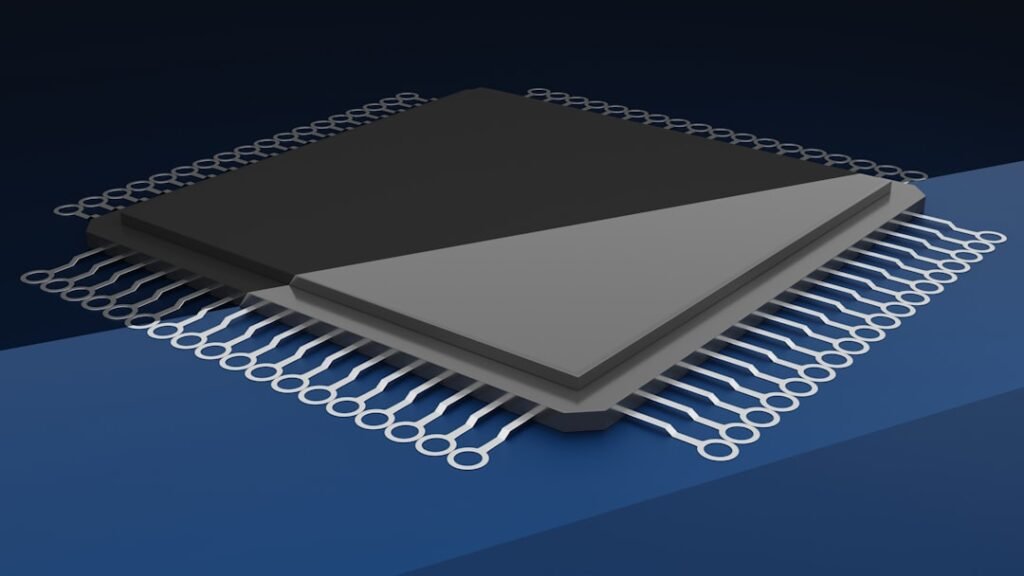
The relentless expansion of AI and high-performance computing is driving an unprecedented surge in global energy demand, with data centers becoming significant power consumers. A new data center energy efficiency chip developed at UC San Diego offers a compelling solution, promising to dramatically slash energy waste by fundamentally rethinking how power is delivered to energy-hungry components like GPUs. This innovative design, which integrates vibrating piezoelectric materials with a sophisticated circuit layout, represents a pivotal step towards more sustainable digital infrastructure. As the computational intensity of AI models continues its exponential climb, mitigating the environmental footprint of our digital world has become an urgent imperative, making breakthroughs like this indispensable for future growth.
95%+
Target Efficiency of New Chip
100W+
Power Delivered per Module
3%
Global Electricity by Data Centers
The Silent Energy Drain of Modern Computing
The digital economy, fueled by cloud services, artificial intelligence, and big data analytics, relies heavily on vast networks of data centers. These facilities, the literal engines of our online world, are voracious consumers of electricity. Estimates suggest that data centers alone account for roughly 1-3% of global electricity consumption, a figure projected to rise significantly as demand for computational power intensifies. A substantial portion of this energy, however, is lost before it ever reaches the processing units. Traditional power delivery architectures, particularly those supplying high-performance components like GPUs, are inherently inefficient, converting alternating current (AC) from the grid into the direct current (DC) needed by chips, and then stepping down voltages multiple times. Each conversion step introduces energy losses, primarily as heat, necessitating elaborate and energy-intensive cooling systems. This cascading inefficiency creates a vicious cycle: more power consumed, more heat generated, more energy required for cooling, further exacerbating the environmental footprint.
The rise of generative AI, large language models, and complex machine learning tasks has placed unprecedented strain on this infrastructure. GPUs, optimized for parallel processing, are at the forefront of this computational revolution, but their power demands are immense and highly dynamic. As highlighted in our recent analysis of the Stanford AI Index 2026, the energy consumption associated with training and deploying cutting-edge AI models is escalating at an alarming rate. This makes innovations in power delivery not just an engineering challenge, but a critical strategic imperative for both economic viability and environmental sustainability. Without fundamental shifts in how power is managed at the chip level, the dream of ubiquitous, powerful AI could collide with very real energy constraints.
Unpacking the Data Center Energy Efficiency Chip Technology
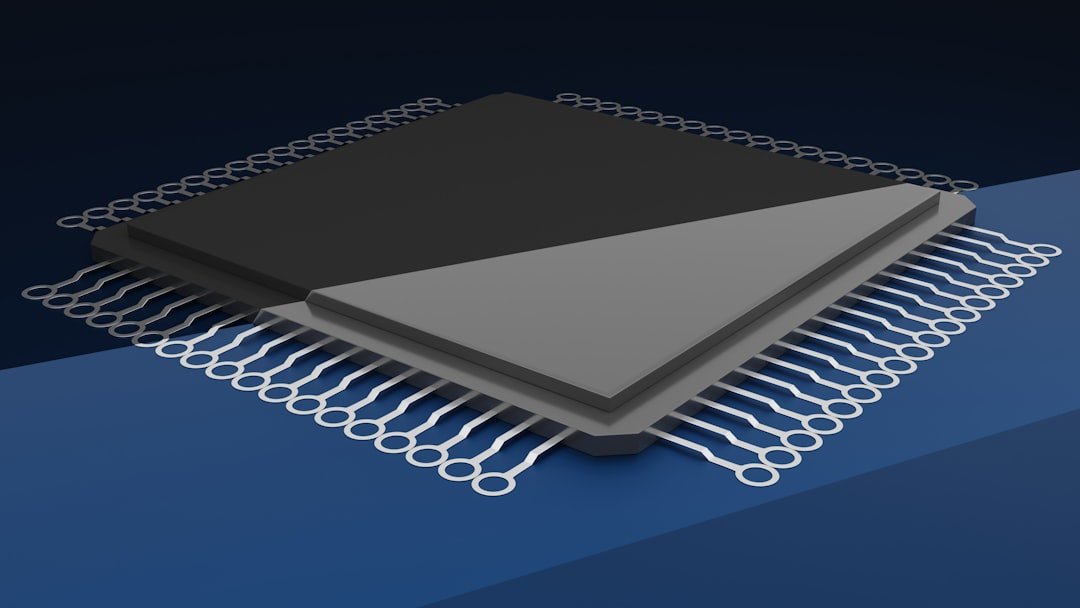
The core of the UC San Diego breakthrough lies in its innovative approach to power conversion, moving away from conventional magnetic inductors and capacitors towards piezoelectric materials. Piezoelectricity is a phenomenon where certain materials generate an electric charge in response to mechanical stress, or conversely, undergo mechanical deformation when an electric field is applied. Think of it as a microscopic, high-frequency vibrator that can efficiently convert electrical energy. Traditional voltage regulators, or DC-DC converters, typically rely on inductors and capacitors which, while effective, have inherent limitations in terms of size, thermal management, and efficiency when operating at very high frequencies or power densities. The UCSD team’s data center energy efficiency chip leverages these vibrating piezoelectric components, specifically thin-film ferroelectric materials, to achieve highly efficient power conversion within a much smaller footprint.
The ingenious aspect is not merely the use of piezoelectric materials, but the clever circuit layout that optimizes their performance. By combining these vibrating elements with a carefully designed circuit, the system overcomes the limitations of previous attempts at piezoelectric power conversion, which often struggled with delivering sufficient power or maintaining stable operation. The prototype demonstrated an impressive ability to deliver substantial power, far exceeding prior efforts, while maintaining high efficiency. This means less energy is wasted as heat during the critical last stage of power delivery to the GPU, directly translating into lower operating costs, reduced cooling requirements, and a smaller overall carbon footprint for data centers. The shift from bulky magnetic components to compact, vibrating films allows for a radical redesign of power delivery modules, potentially integrating them much closer to, or even directly onto, the processing chip itself, further minimizing resistive losses and improving transient response for dynamic workloads.
| Metric | Traditional DC-DC Converters | UCSD Piezoelectric Chip |
|---|---|---|
| Power Conversion Efficiency | Typically 85-90% | Projected 95%+ |
| Size/Footprint | Relatively Larger (magnetic components) | Compact, Thin-Film (piezoelectric) |
| Thermal Output | Higher (due to lower efficiency) | Significantly Lower |
| Power Density | Moderate | High (more power in less space) |
Beyond the Prototype: Scalability and Impact
While the UCSD chip design shows immense promise, the journey from laboratory prototype to widespread commercial deployment is often long and complex. Key challenges include manufacturing at scale, ensuring long-term reliability under varying operational conditions, and seamless integration into existing data center architectures. However, the potential benefits are so significant that investment and innovation in this area are likely to accelerate. The ability to deliver power more efficiently and with greater density opens doors for new generations of high-performance computing (HPC) systems. Imagine server racks that require less cooling infrastructure, allowing for denser compute deployments or even smaller physical data centers. This could translate into substantial capital expenditure savings for companies building and expanding their digital infrastructure.
The implications extend far beyond just cost savings. Reduced energy consumption directly impacts environmental sustainability, a growing concern for tech giants and governments alike. As the world grapples with climate change, every watt saved contributes to a greener future. This technology could enable the continued advancement of AI and scientific research without the prohibitive energy costs currently looming on the horizon. For instance, the sheer computational power needed to process complex astronomical data, leading to discoveries such as the potential JWST biosignature discovery on TOI-270d, underscores the insatiable demand for efficient compute. Technologies like this piezoelectric chip are not just about incremental improvements; they represent a foundational shift that could unlock new possibilities for innovation across all data-intensive fields.
A Sustainable Future for Digital Infrastructure
The development of a more efficient data center energy efficiency chip is more than just an engineering feat; it’s a critical component of the broader movement towards sustainable technology. As digital services become ever more integral to daily life and economic activity, the environmental footprint of the underlying infrastructure cannot be ignored. Governments and corporations are increasingly setting ambitious decarbonization targets, and innovation at the hardware level is essential to meet these goals. This chip design signals a future where technological advancement and environmental stewardship are not mutually exclusive, but rather deeply intertwined. It encourages a holistic view of sustainability, from the materials used in manufacturing to the energy consumed during operation.
Looking ahead, the principles demonstrated by this piezoelectric power conversion could inspire similar innovations across various sectors. From edge computing devices requiring ultra-compact and efficient power solutions to renewable energy systems needing robust power management, the potential applications are vast. India, with its rapidly expanding digital economy and ambitious clean energy targets, stands to benefit immensely from such advancements. Investing in research and development that prioritizes both performance and sustainability will be key to building a resilient and future-proof digital infrastructure capable of supporting the next wave of technological innovation, from advanced AI to quantum computing, all while minimizing its impact on our planet.
“The pursuit of computational power has long been a trade-off with energy consumption. This piezoelectric innovation fundamentally alters that equation, offering a path to power-dense, efficient computing that is crucial for the continued, responsible growth of AI and advanced research. It’s a testament to how material science can redefine the limits of digital infrastructure, pushing us closer to a truly sustainable tech future.”
— Dr. Ananya Sharma, Lead AI Sustainability Researcher, Global Tech Foundation
Piezoelectric Power
Materials that convert mechanical stress into electrical energy, enabling compact and efficient power conversion at high frequencies.
GPU Power Delivery
Addressing the challenge of efficiently supplying vast and dynamic power demands to high-performance graphics processing units.
Data Center Footprint
Reducing the substantial energy consumption and carbon emissions associated with global data center operations.
Future of HPC & AI
Enabling the next generation of AI models and supercomputing by providing more efficient and sustainable power solutions.
← Scroll to explore →
🚀 How A Square Solutions Can Help
Turn Intelligence Into Business Advantage
We build AI-powered digital growth systems that help businesses in India and globally translate emerging intelligence into revenue — through SEO automation, content systems, web infrastructure, and data analytics.
📢 Also accepting business advertising partnerships — if you want your brand in front of our growing audience of tech decision-makers, get in touch.
Frequently Asked Questions
What is a data center energy efficiency chip?
A data center energy efficiency chip, like the one from UC San Diego, is a specialized semiconductor designed to convert and deliver electrical power to components (especially GPUs) with significantly reduced energy loss, primarily by replacing traditional magnetic components with more efficient piezoelectric materials.
How does piezoelectric power conversion work?
Piezoelectric power conversion utilizes materials that vibrate when an electric field is applied, or generate electricity when mechanically stressed. In this chip, these vibrations are precisely controlled within a circuit to efficiently transform input voltage into the lower voltages required by modern processors, minimizing heat loss.
What are the main benefits of this new chip design?
The primary benefits include significantly higher power conversion efficiency (reducing wasted energy and heat), a more compact form factor, and the ability to deliver more power density. This leads to lower operational costs for data centers, reduced environmental impact, and potentially denser compute configurations.
When can we expect this technology to be widely adopted?
While the prototype shows immense promise, it is “not ready for widespread use yet.” Commercial adoption will depend on further development, manufacturing scalability, cost-effectiveness, and integration into existing supply chains, likely taking several years to mature into mainstream data center solutions.
References & Further Reading:
ScienceDaily — This new chip could slash data center energy waste |
MIT Technology Review — Energy Section |
The Economist — Technology Section