
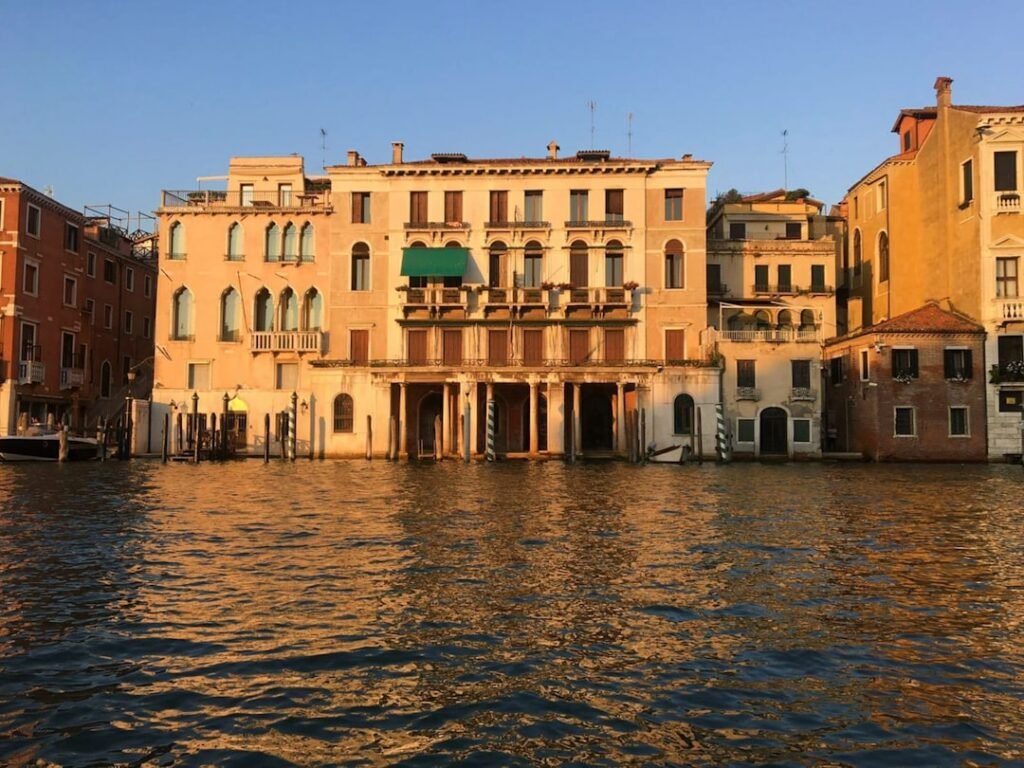
The recent decision by Venice’s La Fenice opera house to drop its incoming music director, Beatrice Venezi, following accusations of nepotism controversy governance, serves as a stark reminder of the accelerating velocity of reputational risk in the digital age. What began as an internal dispute among orchestra members, culminating in a strike, rapidly escalated into a global headline, forcing a revered institution to reverse a high-profile appointment. This incident underscores a critical shift: even traditional bastions of culture are now subject to immediate, intense public scrutiny, demanding a level of transparency and accountability previously reserved for political or corporate entities. For any organization, understanding these dynamics is crucial for safeguarding brand equity and leadership legitimacy.
\n\n
1
\n
Incoming Director Dropped
\n
\n
9+
\n
Months of Appointment Controversy
\n
\n
100%
\n
Orchestra Members on Strike
\n
\n
\n\n
The Anatomy of a Reputational Crisis: Venice’s Case Study
\n
The controversy surrounding Beatrice Venezi’s appointment at La Fenice began subtly but gained critical mass through persistent internal dissent and media amplification. Initially announced in September, the appointment was met with immediate resistance from orchestra members who questioned the transparency of the selection process and Venezi’s qualifications, particularly given her political affiliations and perceived lack of experience for such a prestigious role. This internal friction, often overlooked in traditional hiring models, became the primary accelerant. In an era where information travels at light speed, a seemingly internal issue quickly became a public spectacle, demonstrating how swiftly a perceived injustice can undermine institutional authority and public trust. The ability to monitor and respond to such sentiment, even from niche communities, is becoming paramount for modern organizations, much like how businesses are adapting to the demands of Generative Engine Optimization to manage their online presence proactively.
\n\n
Stakeholder Power and the Digital Echo Chamber
\n
The orchestra members’ decision to strike was a powerful, tangible expression of their collective dissatisfaction. In a world increasingly driven by digital communication, traditional forms of protest still hold significant sway, especially when amplified by social media and news cycles. The