
Washington Signals Dual Strategy: Economic Pressure and Military Readiness
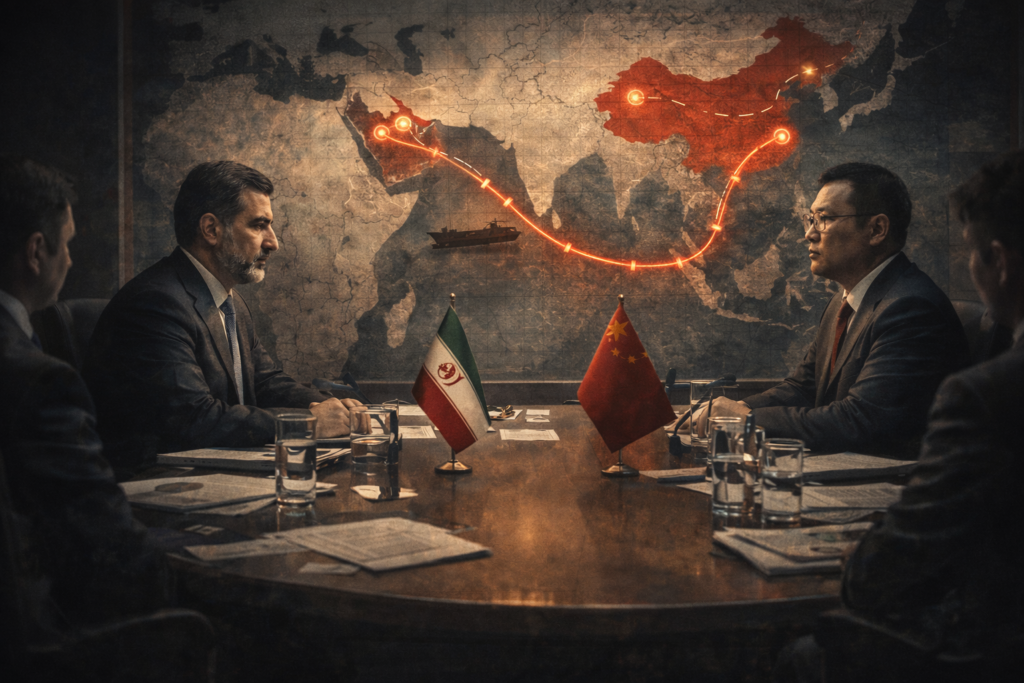
The United States is weighing a renewed strategy to pressure Iran economically while simultaneously preparing for the possibility of sustained military operations, marking a sharp escalation in U.S.–Iran tensions in 2026.
According to reporting by
👉 Reuters,
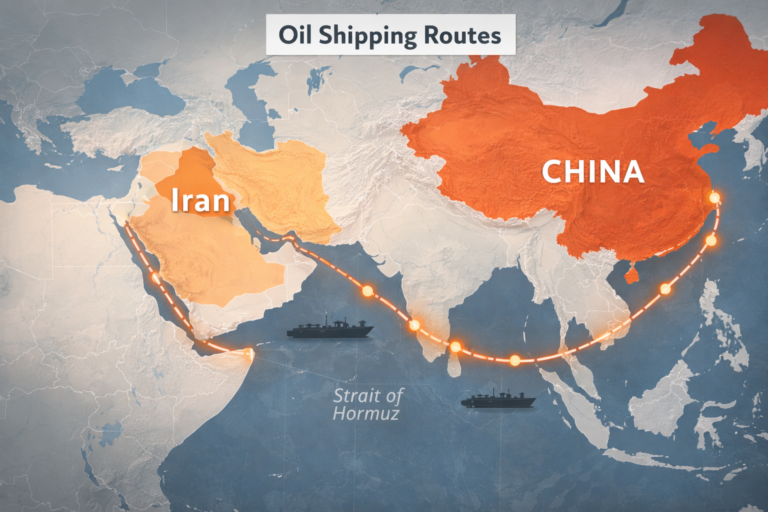
officials indicated that discussions between U.S. President Donald Trump and Israeli Prime Minister Benjamin Netanyahu included efforts to reduce Iran’s oil exports — particularly shipments to China, which currently account for a significant share of Tehran’s energy revenue.
Oil Exports to China at the Center of Pressure Strategy
Energy flows have emerged as a central lever in the proposed approach.
China is estimated to purchase the majority of Iran’s exported crude. Any disruption could sharply reduce Iranian state income, tightening sanctions pressure without immediate military confrontation.
This aligns with broader enforcement patterns previously seen in global sanctions regimes, where financial and trade channels are targeted before kinetic escalation.
For background on how financial systems influence geopolitical pressure tools, see our analysis of
👉 global power and economic leverage.
U.S. Military Preparing Contingency Plans
Separate reporting cited by
👉 Reuters defense coverage
indicates the Pentagon is preparing for scenarios that could involve weeks-long operations if diplomatic efforts fail.
Officials emphasized that planning does not equal authorization, but reflects rising concern that negotiations may not produce a durable agreement.
Military analysts note that extended operations would differ significantly from limited strikes seen in past confrontations, potentially involving broader regional security risks.
Diplomacy Continues — But With Visible Military Backdrop
Despite military preparations, diplomatic engagement has not stopped.
Talks involving intermediaries have explored possible limits on Iran’s nuclear program, though disagreements remain over sanctions relief and missile policy.
This dual-track approach — negotiation alongside force readiness — is consistent with crisis-management frameworks historically used in high-stakes geopolitical disputes.
Our earlier coverage of shifting geopolitical alignments explains how such parallel strategies shape modern conflict signaling:
👉 how global investigations and state power intersect.
Energy Markets and Regional Stability Watching Closely
The possibility of tighter enforcement on Iranian oil exports to China introduces uncertainty into global energy markets already balancing supply constraints and geopolitical volatility.
Energy analysts warn that even partial disruption could:
Shift Asian crude sourcing patterns
Increase shipping insurance risk in contested waterways
Add price pressure to already sensitive markets
These ripple effects highlight why the situation is being monitored far beyond the Middle East.
Strategic Stakes Extending Beyond Iran
The developments are not only about Iran.
They reflect broader strategic competition involving:
Energy security
China’s role in sanctioned oil markets
U.S.–Israel defense coordination
Maritime stability across key trade corridors
This makes the issue a global economic and security concern, not a localized dispute.
Outlook: Escalation Risk Balanced by Negotiation Channels
While no final decisions have been announced, the combination of economic targeting and military contingency planning signals a period of heightened uncertainty.
Whether pressure leads to renewed diplomacy or deeper confrontation will depend on how both sides interpret these signals in the weeks ahead.
- February 15, 2026
- A Square Solutions
- 7:27 am