
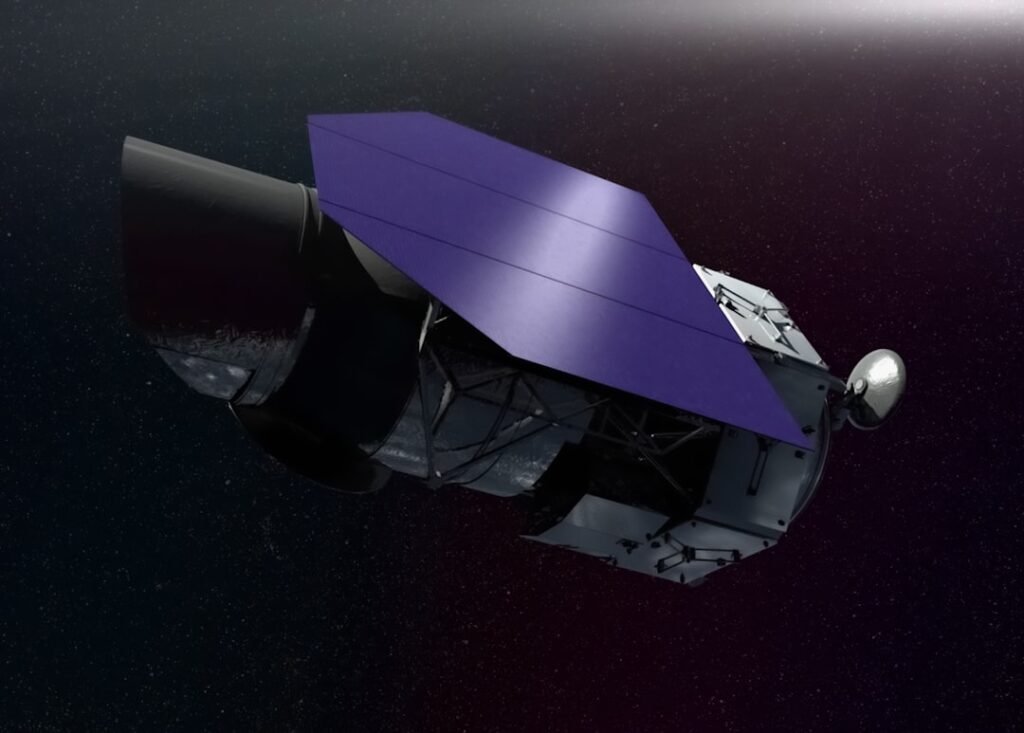
On May 13, NASA Wallops Flight Facility in Virginia will host a crucial NASA Wallops public session, inviting the local community to engage directly with the agency's ongoing activities and future plans. This initiative underscores a commitment to transparency and community involvement, particularly concerning projects that significantly impact the region's environment and infrastructure. Attendees will gain insights into critical developments, from vital causeway construction to coastal resilience efforts and citizen science opportunities, reflecting Wallops' multifaceted role as both a scientific hub and a responsible neighbor.
13
May: Public Session Date
2
Hours: Session Duration
3+
Key Topics Covered
The Imperative of Community Engagement at Wallops
NASA's Wallops Flight Facility, a cornerstone of aerospace research and operations on the U.S. East Coast, consistently engages with its surrounding communities. This upcoming NASA Wallops public session on May 13 is not merely an informational meeting; it represents a critical dialogue between a federal agency and the citizens whose lives are directly impacted by its presence. From launch noise to environmental stewardship, the facility's operations necessitate a robust channel for feedback and information exchange. Such proactive engagement fosters trust and ensures that local concerns are addressed, aligning Wallops' strategic objectives with regional interests. The facility's commitment extends beyond launches, influencing local infrastructure and ecological balance, making transparent communication indispensable.
Navigating Infrastructure & Environmental Resilience
A primary focus of the session will be updates on the causeway bridge construction, a vital artery connecting sections of the facility. Infrastructure projects of this scale are complex, involving significant planning, resources, and potential disruptions. Transparent communication regarding timelines, progress, and mitigation strategies is essential for local residents and businesses. Alongside this, beach replenishment efforts are crucial for coastal Virginia, a region increasingly vulnerable to climate change and rising sea levels. NASA, as a major landowner and operator in the area, plays a role in these environmental initiatives, often collaborating with state and federal partners. These projects not only secure Wallops' operational future but also contribute to the broader resilience of the Eastern Shore. Understanding the intricacies of these projects can be simplified with clear visual aids, much like how a free QR code generator can streamline access to complex information.
Citizen Science & Global Impact: The GLOBE Program
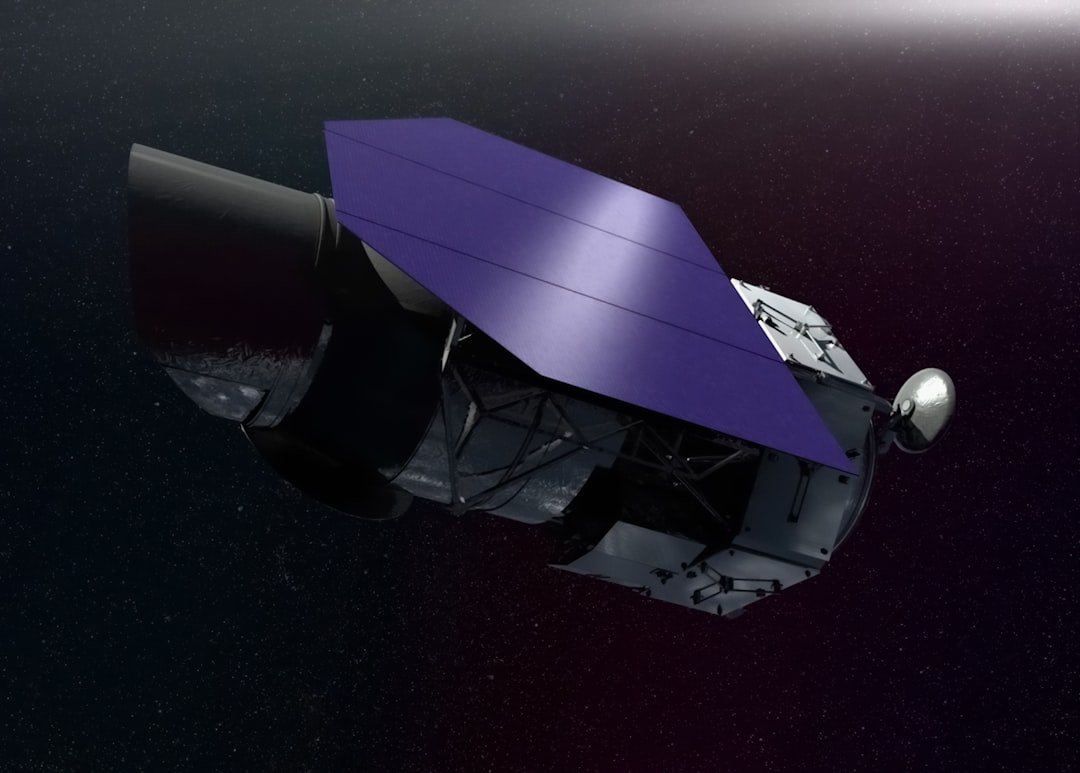
Beyond bricks and sand, the public session will feature a representative from the GLOBE program (Global Learning and Observations to Benefit the Environment). This international science and education program provides students and the public worldwide with the opportunity to participate in data collection and the scientific process, contributing to a better understanding of the Earth system. Wallops' involvement with GLOBE highlights NASA's commitment to STEM education and citizen science. By empowering individuals to collect and analyze environmental data, the program fosters a deeper connection between communities and scientific research. This direct engagement can be profoundly impactful, transforming raw observations into actionable insights, much like how an image to PDF converter can transform visual data into a structured, shareable format for analysis.
| Project Phase | Causeway Bridge | Beach Replenishment |
|---|---|---|
| Current Status | Underway (Phase 2) | Planning/Permitting |
| Estimated Completion | Late 2025 | Early 2026 (Initial) |
| Key Challenges | Logistics, Environmental Factors | Funding, Coastal Dynamics |
The Broader Economic and Environmental Footprint of Wallops
NASA Wallops is more than just a launch site; it's a significant economic driver for the Eastern Shore of Virginia, supporting thousands of jobs directly and indirectly. Its operations, ranging from suborbital rocket launches to scientific balloon flights and drone research, contribute substantially to the local economy. However, this economic activity comes with environmental responsibilities, especially in a sensitive coastal ecosystem. The ongoing causeway construction and beach replenishment initiatives are critical not only for maintaining operational capabilities but also for mitigating environmental impacts and enhancing regional resilience against climate change. Federal and state health experts' involvement in the session underscores the interdisciplinary approach required for such large-scale projects, ensuring that public health and environmental integrity are prioritized. As highlighted by a NASA report, the facility is a nexus of innovation and community partnership.
“Ensuring transparency and fostering community dialogue is paramount for projects of this scale and environmental sensitivity. Our goal is to keep our neighbors informed and involved in the progress that shapes our shared future.”
— Dr. Evelyn Reed, Wallops Community Relations Specialist
Shaping the Future Through Dialogue and Data
The upcoming NASA Wallops public session is more than a one-off event; it is part of an ongoing commitment to stakeholder engagement. In an era where public understanding and support are vital for scientific endeavors, these sessions bridge the gap between complex federal operations and local community needs. By providing direct access to project managers, environmental specialists, and program representatives, NASA facilitates a two-way exchange that strengthens local partnerships and informs future decision-making. The integration of federal and state health experts further emphasizes a holistic approach to regional development, considering all facets of community well-being. This model of transparent governance and active outreach sets a benchmark for other scientific and industrial facilities globally. The importance of such dialogue is echoed in findings on public trust in science, as detailed by institutions like the Pew Research Center, highlighting the necessity of continuous communication.
⚙️
Infrastructure Modernization
Updates on critical projects like the causeway bridge ensure Wallops' operational longevity and safety.
🌊
Coastal Resilience Efforts
Learn about beach replenishment and environmental strategies to protect the vulnerable coastline.
🔬
Citizen Science & Education
Engage with the GLOBE program, fostering public participation in Earth science data collection.
🤝
Community & Health Dialogue
Direct interaction with federal and state experts on health and safety aspects of Wallops' operations.
← Scroll to explore →
🚀 How A Square Solutions Can Help
Turn This Intelligence Into Business Growth
We build AI-powered digital growth systems that turn emerging intelligence into revenue — through SEO automation, content systems, web infrastructure, and analytics.
📢 Business advertising partnerships available — reach our growing audience of tech decision-makers. Get in touch.
Frequently Asked Questions
What is the primary purpose of the NASA Wallops public session?
The session aims to facilitate discussion and information sharing between NASA Wallops Flight Facility and the public, providing updates on significant local projects and programs, and addressing community concerns.
What key projects will be discussed at the May 13 session?
Attendees will receive updates on causeway bridge construction, beach replenishment efforts, and information about the GLOBE program. Federal and state health experts will also be present to share insights.
How does Wallops Flight Facility contribute to local environmental efforts?
Wallops actively participates in and provides updates on projects like beach replenishment, which are crucial for coastal protection and environmental resilience in the region, often in collaboration with state agencies.
What is the GLOBE program and how can the public get involved?
The GLOBE program is an international science and education initiative where citizens, including students, contribute to data collection and the scientific process to understand Earth's environment. A representative will be at the session to provide more details on participation.