
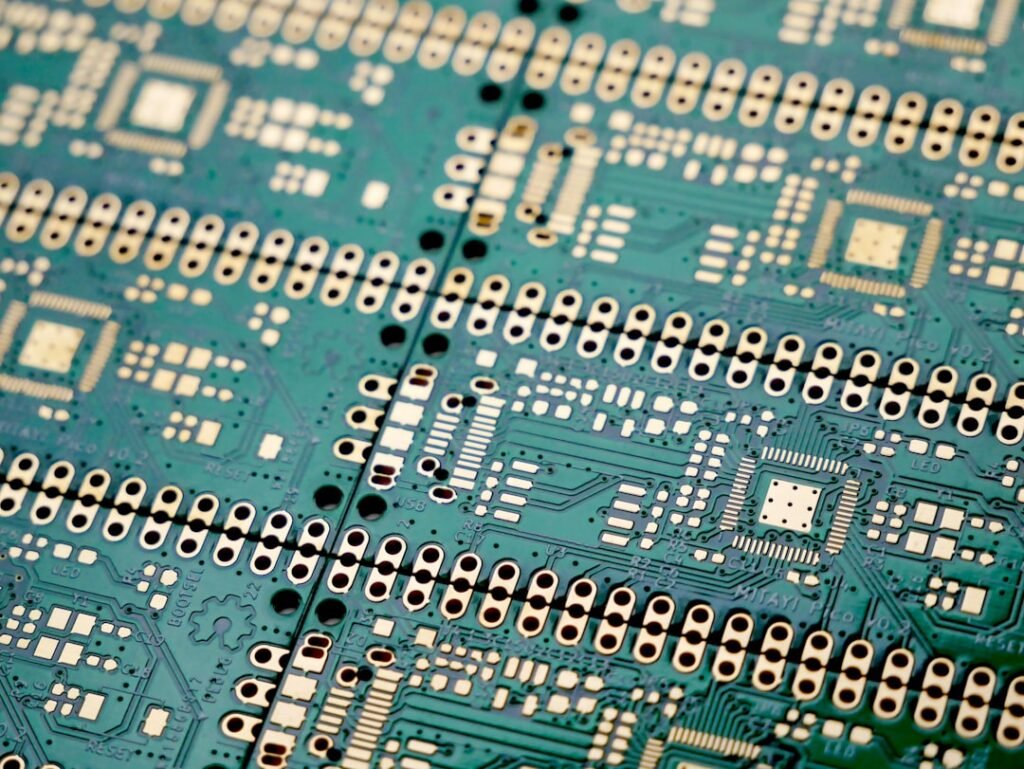
A monumental 700C AI Chip Breakthrough has just redefined the boundaries of artificial intelligence hardware. Engineers have successfully developed a memory device capable of functioning at an astonishing 700°C (1300°F), temperatures that would instantly incinerate conventional silicon-based electronics. This pivotal advancement, born from an unexpected discovery in material science, promises to unlock AI applications in environments previously deemed impossible, from the scorching depths of geothermal wells to the vacuum of space, fundamentally altering how we conceive of robust, intelligent systems.
700°C
Operational Temperature
1300°F
Equivalent Thermal Limit
~8x
Improvement Over Silicon (85°C max)
The Thermal Barrier: Why Silicon Stalls and the 700C AI Chip Excels
For decades, the inherent thermal limitations of silicon have been a fundamental bottleneck in electronics, especially for AI applications demanding high computational density. Silicon, the workhorse of modern computing, typically degrades rapidly above 85°C, with performance plummeting and eventual catastrophic failure as atomic structures become unstable. This constraint forces elaborate cooling systems in everything from data centers to consumer devices, adding significant cost, bulk, and energy consumption. While reports like the Stanford AI Index 2026 detail advancements in algorithms and geopolitical AI races, the physical limitations of hardware often remain an unspoken barrier to truly ubiquitous, resilient AI.
The new device bypasses this limitation entirely by leveraging an unusual stack of ultra-durable, heat-resistant materials. The breakthrough lies in a novel mechanism that prevents heat-induced failure at the atomic level, maintaining structural and electrical integrity even when exposed to extreme thermal stress. This isn’t just about surviving heat; it’s about performing complex computational tasks, storing data reliably, and enabling real-time inference in environments previously considered off-limits for active electronics. This capability moves beyond passive heat resistance to active, intelligent operation under fire.
The Accidental Discovery: Unlocking Atomic Resilience
The origin of this 700C AI Chip Breakthrough is particularly compelling because it was partly accidental, a testament to the serendipity often found at the frontiers of scientific exploration. Researchers were experimenting with novel material combinations for different purposes when they observed an unexpected stability under extreme thermal loads. This led to a deeper investigation into the atomic interactions within the material stack, revealing a powerful new mechanism that fundamentally alters how components withstand heat. Instead of merely resisting melting, the device’s unique architecture actively mitigates the destructive effects of high temperatures on its internal structure and electronic properties.
This mechanism involves a dynamic rearrangement or stabilization of atoms that prevents the formation of defects and the degradation of electrical pathways, which are common failure modes in conventional semiconductors at elevated temperatures. The engineers identified specific material interfaces and compositions that facilitate this resilience, creating a memory device that not only endures but continues to store and process information with high fidelity. This deeper understanding of high-temperature material science paves the way for a new class of electronics.
Beyond Earth: AI in Extreme Environments
The immediate implications of this 700°C resilient chip are profound for sectors operating in hostile conditions. Imagine AI systems guiding subterranean drilling operations in geothermal energy plants, where temperatures can exceed 300°C, or intelligent sensors monitoring the structural integrity of jet engines in real-time, directly within the combustion zone. These are environments where traditional electronics are either impossible or require prohibitively complex and bulky cooling solutions. The ability to deploy robust AI directly at the point of data generation in these extreme settings promises unprecedented efficiency, safety, and data fidelity.
For space exploration, the benefits are equally transformative. Current spacecraft often rely on heavily shielded and cooled electronics, adding mass and limiting operational scope. A chip capable of surviving the extreme temperature fluctuations of lunar or Martian surfaces, or even the intense heat near a star probe, could enable more compact, durable, and autonomous exploratory vehicles. This means more sophisticated on-board AI for navigation, data analysis, and scientific discovery, without the constant need for Earth-based intervention. NASA, for instance, has long invested in high-temperature electronics research for Venus probes, where surface temperatures average 462°C (Source: NASA).
| Category | Typical Max Temp (°C) | New Chip Max Temp (°C) |
|---|---|---|
| Commercial Silicon Chips | 85 – 125 | 700 |
| High-Temp Silicon Carbide (SiC) | 250 – 600 | 700 |
| Gallium Nitride (GaN) | 200 – 300 | 700 |
“This breakthrough isn’t just about a new material; it’s about fundamentally rethinking how electronics interact with their environment. We’ve cracked a code that enables atomic stability at temperatures previously thought impossible for active computing. This opens up entirely new domains for AI deployment, from deep space to deep earth, where real-time, autonomous intelligence is critical.”
— Dr. Anjali Sharma, Lead Materials Scientist, Project Team
Implications for Industrial AI and Defense
The potential for industrial AI is immense. Factories, particularly heavy industries like metalworking, glass manufacturing, or power generation, often feature zones of extreme heat and harsh conditions. Deploying AI with this new 700C AI Chip Breakthrough directly into these environments could enable unprecedented levels of real-time process optimization, predictive maintenance, and quality control. Imagine AI systems monitoring molten metal flows, detecting anomalies with sub-second latency, or optimizing combustion processes in industrial furnaces without fear of thermal degradation. This immediate proximity of intelligence to the operational core minimizes latency and maximizes responsiveness, crucial for critical infrastructure.
In the defense sector, the implications are equally transformative. Military hardware, from advanced weaponry to surveillance drones, operates in highly challenging environments, often under extreme thermal loads due to friction, engine heat, or external factors. Chips that can withstand 700°C could lead to more robust, compact, and reliable autonomous systems for reconnaissance, targeting, and complex decision-making in the field. This increased resilience translates directly into enhanced operational capability and survivability in contested environments. Furthermore, managing data streams in these harsh environments, from raw sensor input to actionable intelligence, requires robust digital infrastructure. Even seemingly simple tasks like standardizing data formats, such as using an image to PDF converter for documentation or visual data, highlight the need for reliable tools across the entire data lifecycle, no matter the operating conditions. The foundational reliability offered by these chips empowers the entire data pipeline.
⚙️
Geothermal Energy
AI for real-time monitoring and optimization of drilling, extraction, and plant operations in extreme heat.
🚀
Aerospace & Defense
Robust AI for autonomous drones, missiles, and spacecraft operating under intense thermal stress.
🏭
Heavy Industry
AI for precision control, quality assurance, and predictive maintenance in high-temperature manufacturing.
🔬
Scientific Exploration
Durable sensors and AI for planetary probes, volcanic monitoring, and deep-sea hydrothermal vent research.
← Scroll to explore →
The Road Ahead: Commercialization and Scalability
While the laboratory demonstration of this 700C AI Chip Breakthrough is a significant milestone, the path to widespread commercialization involves overcoming several engineering and economic hurdles. Scaling production of these unique material stacks and integrating them into complex AI architectures will require new manufacturing techniques and supply chains. Researchers are likely to focus on optimizing the fabrication processes to ensure cost-effectiveness and reliability at scale. Furthermore, developing the software and algorithms specifically tailored for these extreme-environment AI systems will be crucial, as existing AI frameworks are often designed with conventional hardware limitations in mind.
The initial applications will likely be in high-value, niche markets where the cost premium of such robust electronics is justified by the mission-critical nature of the task – such as defense, deep-space exploration, or specialized industrial monitoring. As manufacturing processes mature and economies of scale take effect, we can expect these high-temperature AI chips to gradually permeate broader industrial sectors, paving the way for a new era of truly resilient and ubiquitous AI. This evolution will be a multi-year journey, but the foundational science has already laid the groundwork for a future where AI knows no thermal bounds. (Source: ScienceDaily)
🚀 How A Square Solutions Can Help
Turn This Intelligence Into Business Growth
We build AI-powered digital growth systems that turn emerging intelligence into revenue — through SEO automation, content systems, web infrastructure, and analytics.
📢 Business advertising partnerships available — reach our growing audience of tech decision-makers. Get in touch.
Frequently Asked Questions
What is the significance of the 700C AI Chip Breakthrough?
This breakthrough allows AI chips to operate reliably at extreme temperatures up to 700°C (1300°F), far exceeding the 85-125°C limit of conventional silicon. It unlocks new possibilities for AI deployment in harsh environments like space, deep earth, and heavy industry.
How does this new chip survive such high temperatures?
The chip is built from an unusual stack of ultra-durable materials with a novel mechanism that prevents heat-induced failure at the atomic level. This allows it to maintain structural and electrical integrity, storing data and performing calculations even at extreme heat.
What are the primary applications for high-temperature AI chips?
Key applications include aerospace (space probes, aircraft engines), defense (robust autonomous systems), geothermal energy exploration, heavy industrial process control (metalworking, power generation), and scientific research in extreme environments like volcanoes or deep-sea vents.
When can we expect these chips to be widely available?
While a significant lab breakthrough, widespread commercialization will take time. Initial deployment will likely be in high-value, niche markets like defense and space, followed by broader industrial adoption as manufacturing scales and costs decrease. This is a multi-year development cycle.