
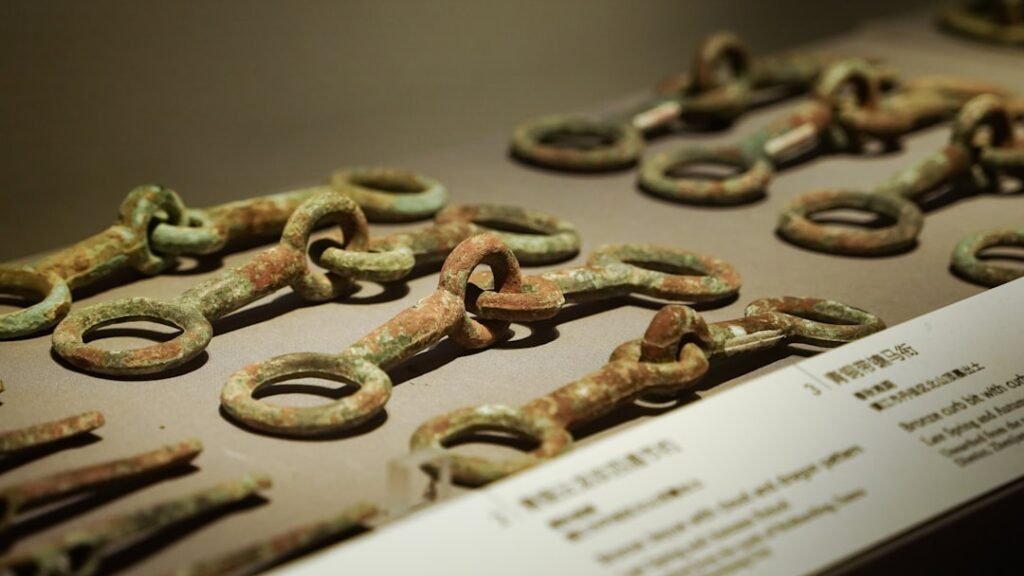
The discovery of six previously unknown Bronze Age mines in southwestern Spain offers a profound new perspective on ancient global resource management, directly challenging long-held assumptions about the origins of Scandinavian metal artifacts. These sites, found near Cabeza del Buey, illuminate complex Bronze Age trade routes that stretched across continents, connecting distant regions through sophisticated supply chains thousands of years ago. This insight into ancient resource networks underscores the perennial human drive for critical materials and the intricate logistical challenges involved, echoing the complexities of modern global supply chains and the increasing demand for advanced resource intelligence.
6
New Bronze Age Mines Discovered
80+
Stone Axes Found at One Site
3,000+
Years Since Mines Were Active
Unearthing the Ancient Global Economy: Bronze Age Trade Routes
For centuries, the origins of the rich bronze artifacts found in Scandinavia have been a subject of intense archaeological debate. While some theories pointed to local production or limited regional exchange, the latest findings in Spain provide compelling evidence for extensive, long-distance Bronze Age trade routes. The newly discovered mines, rich in copper, lead, and silver, represent significant production hubs that could have fueled metalwork across vast geographical distances. This suggests a level of economic integration and logistical sophistication far greater than previously imagined for this era, hinting at organized systems for extraction, processing, and distribution that predate many conventional understandings of globalized commerce.
The very existence of such extensive mining operations implies a coordinated effort, from resource identification to labor management and the eventual transport of raw materials or finished goods. This complex interplay of human ingenuity and resource demand offers a historical parallel to the challenges faced by modern enterprises in managing their global supply chains. Understanding these ancient networks can even provide context for contemporary discussions around cultural differences in AI adoption, as different societies, then as now, would have developed unique approaches to resource exploitation and trade based on their specific environmental, social, and technological contexts.
The Mechanics of Ancient Extraction: Technology and Labor
The archaeological sites near Cabeza del Buey reveal not just the presence of minerals but also the impressive scale of ancient mining technology and labor organization. One particular site, packed with approximately 80 stone axes, provides tangible evidence of the tools and methods used to crush ore. These weren’t merely individual efforts; the sheer number of tools suggests a collective, possibly specialized, workforce dedicated to the arduous task of extracting precious metals from the earth. Such operations would have required significant planning, resource allocation, and a degree of societal organization to sustain them.
The discovery sheds light on the rudimentary yet effective engineering of the time, where human strength, combined with simple but robust tools, enabled large-scale industrial activity. The impact of such intense resource extraction on local environments and communities would have been considerable, raising questions about early forms of resource governance and the responsibilities of those who controlled these vital industries. These historical considerations resonate with modern debates surrounding AI ethics and corporate responsibility, as societies continue to grapple with the long-term implications of technological advancement and resource exploitation.
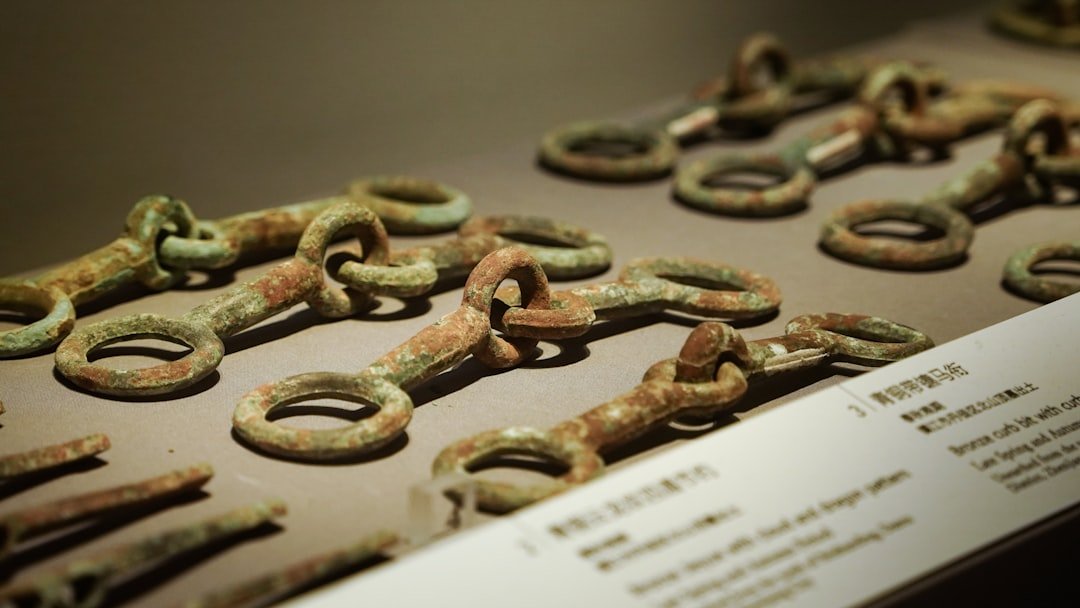
Tracing the Bronze: From Iberia to Scandinavia
The proposed link between Spanish mines and Scandinavian artifacts is not merely speculative. Modern archaeometallurgical techniques, such as isotopic analysis, can trace the unique ‘fingerprint’ of metal ores back to their geographical origins. If the copper, lead, and silver from these Spanish mines match the composition of artifacts found thousands of miles away, it would confirm one of the most extensive ancient supply chains ever documented. This trans-European connection would involve complex maritime and overland routes, navigating diverse terrains and political landscapes.
Such a network would not only facilitate the exchange of goods but also ideas, technologies, and cultural practices. The movement of valuable metals often acted as a catalyst for cultural diffusion, shaping societies and economies along these ancient corridors. The discovery compels us to reconsider the scale of ancient human interaction and the underlying economic forces that drove early globalization, making the study of these Bronze Age trade routes particularly salient for understanding the foundations of interconnected societies.
Lessons from Antiquity: Resource Intelligence in a Globalized World
The enduring mystery of Scandinavian bronze origins, now potentially solved by Spanish mines, highlights a timeless principle: the strategic importance of critical resources. Just as copper, lead, and silver were vital for Bronze Age societies, rare earth elements, semiconductors, and energy resources are crucial for today’s technological economies. The ability to identify, extract, process, and distribute these materials efficiently and securely remains a cornerstone of national and economic power.
These ancient discoveries serve as a powerful historical analogue for modern resource intelligence. Understanding historical patterns of resource acquisition, trade dependencies, and the vulnerabilities of long supply chains can offer critical insights for contemporary geopolitical and economic strategies. In an era of increasing resource nationalism and supply chain disruptions, the lessons from these ancient networks are more relevant than ever for businesses and governments striving for resilience and strategic autonomy.
| Mine Site Category | Key Characteristics | Primary Metals Found |
|---|---|---|
| Small Extraction Zones | Limited scope, likely early or exploratory mining. | Copper, Lead |
| Medium Operations | More structured, evidence of sustained activity. | Copper, Silver |
| Large Mining Operations | Extensive infrastructure, significant labor (e.g., 80 axes). | Copper, Lead, Silver |
“This discovery fundamentally re-calibrates our understanding of Bronze Age connectivity. It suggests that the demand for critical materials drove not just local innovation, but cross-continental logistics and trade on a scale that profoundly shaped early societies, laying groundwork for future global networks.”
— Dr. Anya Sharma, Lead Archaeometallurgist, Institute for Ancient Trade Studies
⛏️
Resource Scarcity & Demand
The need for copper, lead, and silver propelled ancient societies to seek out and exploit distant mineral deposits, driving innovation in extraction and trade.
🗺️
Cross-Continental Networks
Evidence suggests robust trade routes connecting Iberian mines to distant regions like Scandinavia, forming early global supply chains.
🛠️
Early Industrialization
Large-scale mining operations, complete with specialized tools and labor, point to organized industrial efforts in the Bronze Age.
📈
Resource Intelligence
Lessons from ancient resource management offer insights into modern supply chain resilience and strategic planning for critical materials.
← Scroll to explore →
🚀 How A Square Solutions Can Help
Turn Intelligence Into Business Advantage
We build AI-powered digital growth systems that help businesses in India and globally translate emerging intelligence into revenue — through SEO automation, content systems, web infrastructure, and data analytics.
📢 Also accepting business advertising partnerships — if you want your brand in front of our growing audience of tech decision-makers, get in touch.
Frequently Asked Questions
What is the significance of the newly discovered Bronze Age mines in Spain?
These six mines offer crucial insights into the origins of metal in ancient Scandinavian artifacts, suggesting extensive Bronze Age trade routes and sophisticated resource networks spanning thousands of miles across Europe.
What types of metals were found in these ancient Spanish mines?
The mines contain significant deposits of copper, lead, and silver. These were essential materials that powered vast trade networks and technological advancements during the Bronze Age.
How does this discovery impact our understanding of ancient trade and supply chains?
It indicates a much higher degree of economic integration and logistical complexity in the Bronze Age than previously assumed. It highlights the strategic importance of critical resources and the existence of long-distance supply networks.
What parallels can be drawn between these ancient discoveries and modern resource intelligence?
The challenges of securing critical materials, managing complex supply chains, and understanding geopolitical dependencies resonate strongly with today’s global economy. Ancient solutions offer historical context for modern resource strategies.
References & Further Reading:
ScienceDaily: Bronze Age mines discovered in Spain may explain Scandinavian metal mystery |
Nature Journal |
The Economist