
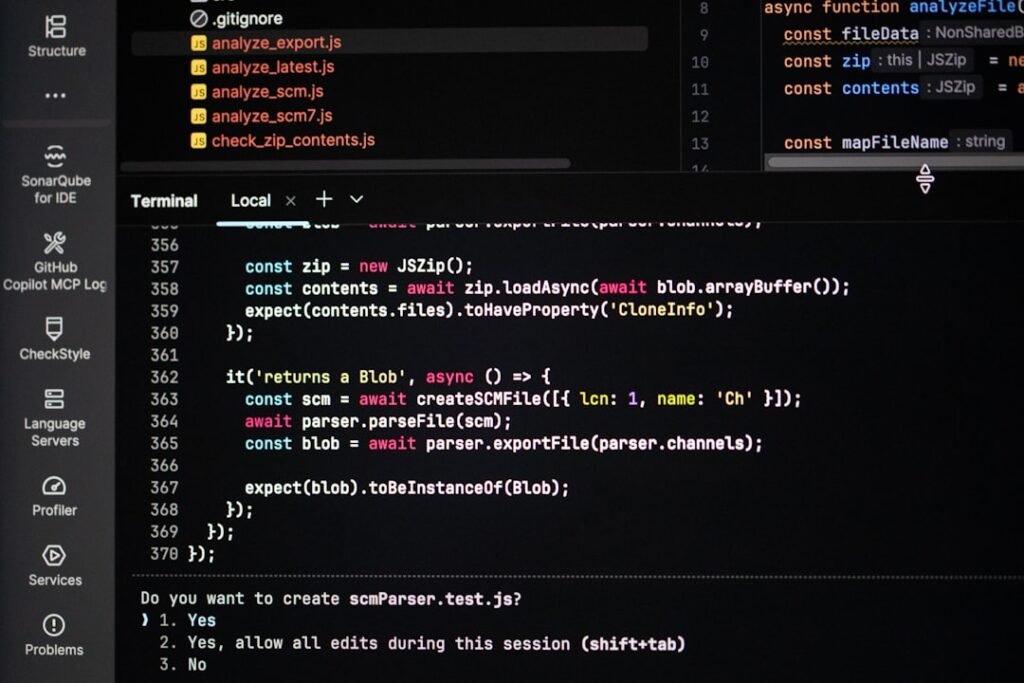
The landscape of AI agent developer economics is undergoing a significant transformation, driven by a growing tension between high-cost, cloud-dependent solutions and free, open-source alternatives. While advanced AI coding agents promise unprecedented productivity gains, their associated expenses are becoming a critical factor for individual developers and enterprises alike. A recent analysis reveals that monthly subscriptions for sophisticated tools like Anthropic’s Claude Code can reach up to $200, sparking a notable pushback within the developer community. This financial barrier is accelerating the adoption of powerful, locally-run alternatives, fundamentally reshaping how software is developed and deployed in the age of autonomous AI. We document how we use Claude Code in production environments — including which settings matter and which edge cases to watch for — in the Claude Code operator track at AI Execution Lab.
$200
Max Monthly Cost (Claude Code)
$20
Min Monthly Cost (Claude Code)
Free
Monthly Cost (Goose)
The Escalating Costs of AI-Driven Development
Anthropic’s Claude Code, a terminal-based AI agent, has garnered significant attention for its ability to autonomously write, debug, and deploy code. Its promise of accelerating software development cycles is compelling, yet the financial implications are substantial. With pricing tiers ranging from $20 to $200 per month, depending on usage, the economic barrier for entry and sustained operation becomes a critical consideration for individual developers, small teams, and even large enterprises managing multiple AI agent licenses.
For many programmers, particularly those in nascent startups or independent ventures, these monthly fees represent a significant overhead. The cumulative cost over a year can easily exceed thousands of dollars, pushing the total cost of ownership for AI-assisted development into uncomfortable territory. This financial strain is not merely a matter of personal budget; it directly impacts innovation capacity, particularly for projects that require extensive AI interaction or long development cycles.
The market’s reaction highlights a broader trend: while developers are eager to leverage powerful AI tools, there’s a clear resistance to pricing models that feel prohibitive or disproportionate to the perceived value, especially when alternatives begin to emerge. This creates a fertile ground for disruption, where the demand for high-utility, low-cost solutions can rapidly reshape market dynamics.
Goose and the Democratization of AI Agent Developer Economics
In stark contrast to the subscription-based model, Block’s open-source AI agent, Goose, presents a compelling alternative that directly addresses the cost conundrum. Offering nearly identical functionality to commercial counterparts, Goose operates entirely on a user’s local machine. This fundamental architectural difference eliminates subscription fees and cloud dependency, effectively making advanced AI coding capabilities accessible to a much broader audience. This shift profoundly impacts AI agent developer economics by removing the primary financial barrier.
The local execution model of Goose carries significant implications beyond mere cost savings. It enhances data privacy and security, as sensitive code and proprietary information never leave the developer’s controlled environment. This is a critical advantage for enterprises and projects dealing with classified data or stringent compliance requirements. Furthermore, local execution often translates to lower latency and greater control over the computational resources, providing a more predictable and potentially faster development experience.
The emergence of Goose reflects a powerful trend within the AI ecosystem: the democratization of advanced tools through open-source initiatives. Much like the broader software development landscape, where open-source frameworks and libraries underpin much of modern innovation, AI is increasingly benefiting from community-driven efforts that prioritize accessibility and collaborative improvement over proprietary control.
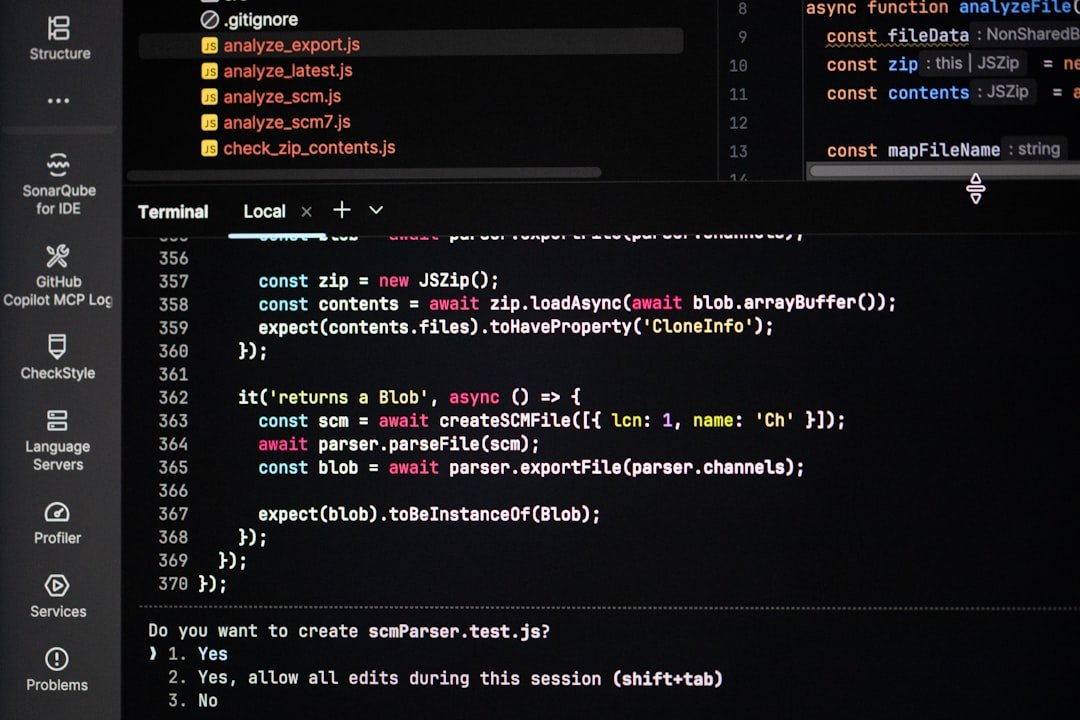
Strategic Shifts: From Cloud-Centric to Edge AI in Development
For businesses, the choice between a cloud-hosted, paid AI agent and a local, free alternative like Goose is not solely a financial one; it’s a strategic decision with implications for infrastructure, security, and competitive advantage. Companies can now weigh the benefits of instant scalability and managed services offered by cloud AI against the control, customization, and cost-efficiency of on-premise or local solutions. This flexibility allows for tailored AI adoption strategies that align more closely with specific operational and security requirements.
This trend mirrors broader developments in computing, where the rise of edge computing is challenging the monolithic dominance of centralized cloud infrastructure for certain workloads. For AI coding agents, the ability to perform complex tasks directly on developer workstations or internal servers means reduced reliance on external providers, mitigating risks associated with service outages, data transfer costs, and potential vendor lock-in. It empowers organizations to maintain greater autonomy over their intellectual property and development workflows.
The strategic allocation of resources and the pursuit of operational independence are common themes in disruptive industries. For instance, understanding the nuances of how companies like BYD navigate global markets with their BYD electric vehicle growth strategy offers parallels in how strategic choices around core technologies can lead to significant market shifts and competitive advantages.
The Open-Source Imperative: Accelerating Innovation and Adoption
The open-source model, exemplified by Goose, fosters an environment of rapid innovation and collective intelligence. Developers from around the world can inspect, modify, and contribute to the agent’s codebase, leading to faster bug fixes, more diverse feature sets, and greater transparency in its operation. This collaborative approach often results in more robust and adaptable tools, as improvements are driven by the direct needs and expertise of the user community rather than a single corporate roadmap.
In contrast, proprietary AI coding agents, while often backed by significant R&D budgets, can suffer from slower iteration cycles and a lack of transparency. Users are typically limited to the features and functionalities provided by the vendor, with little to no ability to customize or understand the underlying mechanisms. This can lead to vendor lock-in, where switching costs become prohibitive, and innovation is constrained by the vendor’s priorities rather than the broader developer community’s needs.
The success of open-source AI initiatives has profound implications for global technological competitiveness. As highlighted in reports like the Stanford AI Index 2026, the ability of nations and enterprises to foster innovation often correlates with access to cutting-edge tools and collaborative ecosystems. Open-source platforms like Goose contribute significantly to this accessibility, potentially leveling the playing field for countries and organizations with fewer resources.
Future Trajectories: Hybrid Models and the Evolving Developer Stack
The current dichotomy between expensive cloud-based AI agents and free, local open-source alternatives is unlikely to remain static. The future of AI coding agents will likely see a proliferation of hybrid models. Commercial providers may introduce more flexible pricing, freemium tiers, or specialized offerings that cater to specific niche requirements. Conversely, open-source projects might explore sustainable funding models, perhaps through optional premium features, dedicated support services, or enterprise-grade distributions.
This evolving landscape will force developers to become more discerning in their tool choices, carefully weighing factors beyond initial cost, such as long-term support, integration capabilities, and community vibrancy. The overall impact on developer productivity is expected to be positive, as competition drives both innovation and affordability. The focus will shift towards agents that not only perform well but also integrate seamlessly into existing workflows and provide tangible returns on investment, whether that investment is monetary or in terms of local computational resources.
Ultimately, the rise of free and open-source AI coding agents like Goose is a powerful indicator of the maturation of the AI tooling market. It signifies a move towards greater developer empowerment and a more equitable distribution of advanced technological capabilities, fundamentally reshaping the AI agent developer economics for years to come.
| Feature/Aspect | Claude Code (Anthropic) | Goose (Block/Square) |
|---|---|---|
| Pricing Model | Subscription-based ($20-$200/month) | Free and Open-Source |
| Execution Environment | Cloud-dependent (terminal-based agent) | Local machine (no cloud dependency) |
| Data Privacy/Security | Relies on cloud provider’s security | Enhanced; data remains on local machine |
| Customization/Control | Limited by vendor offerings | High; modifiable source code |
“The shift towards free, locally executable AI coding agents isn’t just about cost savings; it’s a profound reassertion of developer autonomy and data sovereignty. It signals a maturation of the AI tooling market, where utility and control are increasingly valued alongside raw capability. This movement will undoubtedly foster a new wave of innovation, unburdened by prohibitive licensing fees.”
— Dr. Anya Sharma, Lead AI Ethicist, Global Tech Institute
💡
Cost Disruption
Free, powerful alternatives are challenging traditional subscription models for AI development tools, reshaping market dynamics.
🔒
Local AI Processing
Running agents on local machines enhances privacy, security, and reduces cloud dependency for sensitive projects.
🤝
Open-Source Advantage
Community-driven development fosters rapid innovation, transparency, and customization for developers worldwide.
🛠️
Developer Empowerment
Programmers gain greater control over their tools and data, reducing vendor lock-in and fostering independence.
← Scroll to explore →
🚀 How A Square Solutions Can Help
Turn Intelligence Into Business Advantage
We build AI-powered digital growth systems that help businesses in India and globally translate emerging intelligence into revenue — through SEO automation, content systems, web infrastructure, and data analytics.
📢 Also accepting business advertising partnerships — if you want your brand in front of our growing audience of tech decision-makers, get in touch.
Frequently Asked Questions
What is the primary difference between Claude Code and Goose?
Claude Code is a proprietary, cloud-based AI agent with a subscription fee ($20-$200/month), relying on Anthropic’s infrastructure. Goose is an open-source, free AI agent developed by Block (formerly Square) that runs entirely on a user’s local machine, eliminating cloud dependency and costs.
Why are developers seeking free AI coding agents?
Developers are seeking free alternatives due to the high monthly costs associated with proprietary AI agents, which can be prohibitive for individuals, startups, and even larger teams. Free options democratize access to advanced AI tools, reducing financial barriers to innovation and adoption.
What are the benefits of local AI processing for coding?
Local AI processing offers enhanced data privacy and security, as sensitive code never leaves the developer’s machine. It also provides greater control over computational resources, potentially lower latency, and eliminates cloud service dependencies, leading to more predictable performance and reduced operational costs.
How does open-source AI impact the future of software development?
Open-source AI accelerates innovation through community collaboration, leading to faster bug fixes, diverse features, and greater transparency. It fosters developer empowerment by reducing vendor lock-in and allowing extensive customization, ultimately making advanced AI more accessible and adaptable for a wider range of development needs.