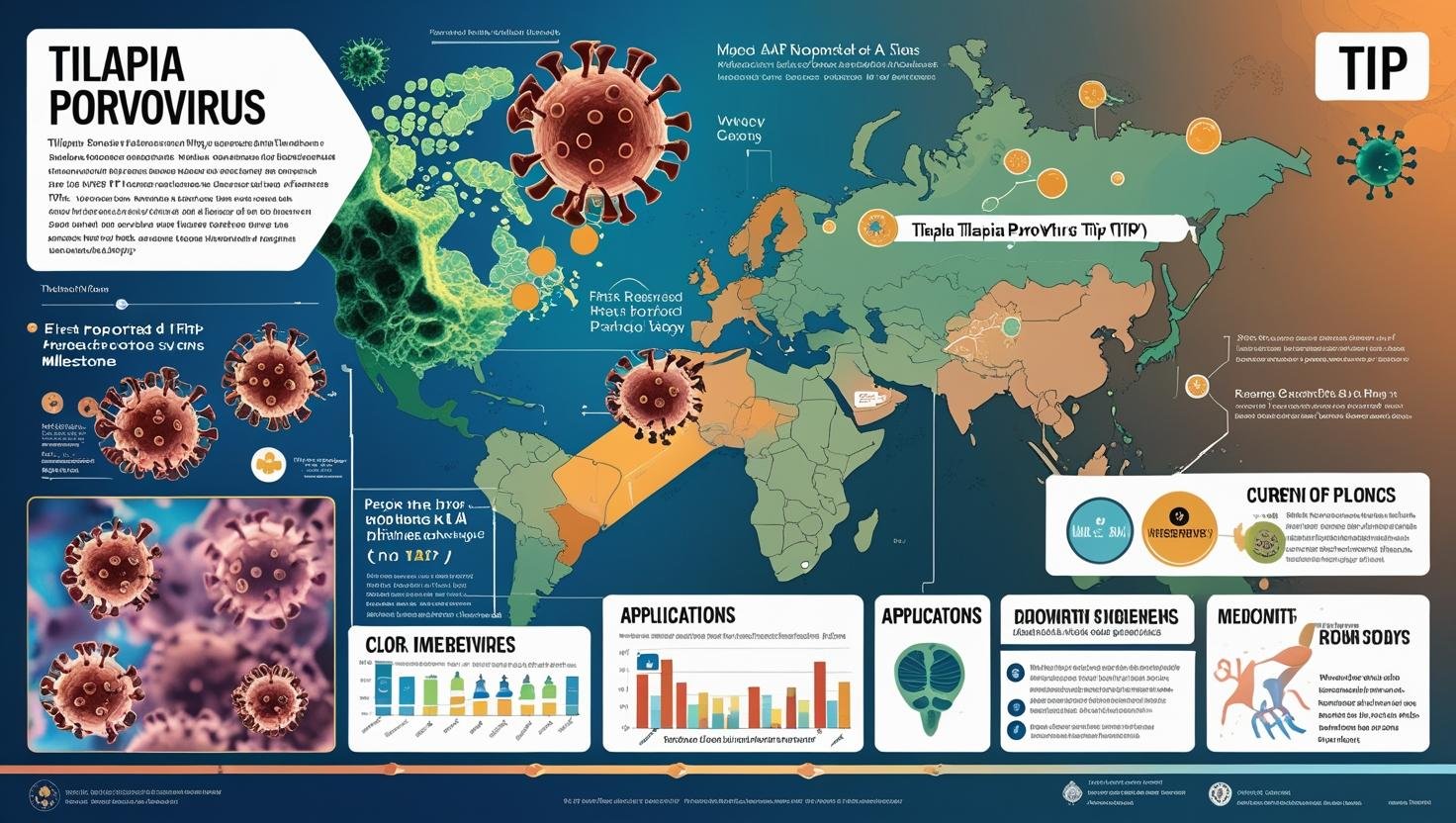
Tilapia porvovirus (TiPV): History, First Reported, Research, and AI Help
Introduction
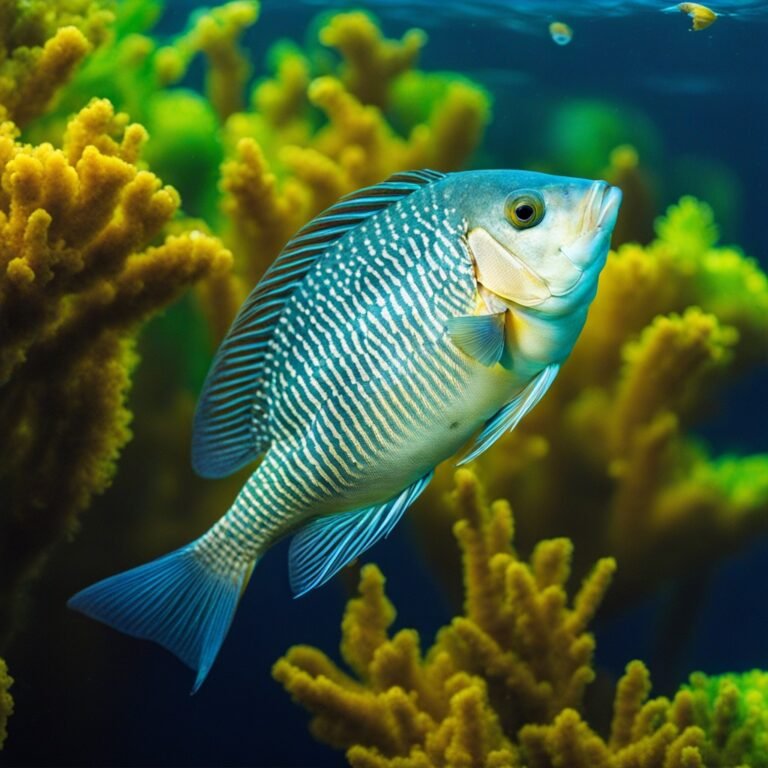
Artificial intelligence is transforming aquaculture by enabling early disease detection, predictive health monitoring, and data-driven farm management. One major challenge facing global fish farming is Tilapia Parvovirus (TiPV), a highly contagious pathogen that can devastate production. By combining AI-based diagnostics with biosecurity analytics, researchers and farmers are beginning to manage outbreaks faster and more accurately than traditional methods allow. Tilapia porvovirus (TiPV) is a highly contagious virus that can cause significant mortality in tilapia fish. The virus is most commonly transmitted through contact with infected fish or their feces. TiPV can also be transmitted through contaminated water and equipment.
AI delivering measurable ROI across industries
How AI Detects Disease in Aquaculture Environments
Machine learning models analyze visual, environmental, and behavioral data collected from aquaculture systems. Computer vision can detect gill discoloration, abnormal swimming patterns, or density stress signals, while predictive analytics evaluates water quality, temperature, and stocking levels to identify outbreak risk before symptoms spread.
This allows farmers to shift from reactive treatment to preventive health management.
TiPV infection can cause a variety of symptoms in tilapia fish, including:
- Loss of appetite
- Lethargy
- Pale gills
- Dropsy (fluid accumulation in the abdomen)
- Hemorrhaging
- Death
There is no specific treatment for TiPV infection, so prevention is key. Farmers can help to prevent TiPV infection by:
- Purchasing fish from reputable suppliers
- Quarantine new fish for a period of time before introducing them to the main population
- Practicing good hygiene and sanitation
- Vaccinating their fish against TiPV
History of TiPV
TiPV was first reported in Israel in 2009. The virus has since spread to over 30 countries around the world, including the United States, Canada, Mexico, and Brazil.
First Reported Case of TiPV
The first reported case of TiPV occurred in Israel in 2009. The virus was identified in a tilapia farm in the Arava Desert. The virus quickly spread to other tilapia farms in Israel, and within a few years, it had spread to other countries around the world.
Research on TiPV
Researchers are working on a number of ways to prevent and control TiPV infection. Some of the areas of research include:
AI Help
Artificial intelligence (AI) can help in a number of ways to prevent and control TiPV infection. For example, AI can be used to:
- Develop more accurate and sensitive diagnostic tests for TiPV
- Identify risk factors for TiPV infection
- Develop more effective vaccines against TiPV
- Develop new treatments for TiPV infection
AI can also be used to help farmers manage their tilapia operations in a way that reduces the risk of TiPV infection. For example, AI can be used to:
- Monitor fish health and identify early signs of TiPV infection
- Track fish movements and identify potential sources of infection
- Develop and implement biosecurity measures to prevent the spread of TiPV
Conclusion
TiPV is a serious threat to the tilapia industry. However, researchers are working on a number of ways to prevent and control TiPV infection, including the use of AI. By using AI to develop more accurate diagnostic tests, identify risk factors, develop more effective vaccines, and develop new treatments, we can help to reduce the economic impact of TiPV infection on the tilapia industry and improve the welfare of tilapia fish.
Here is a more detailed explanation of the research that has been done on TiPV and how AI is being used to help prevent and control TiPV infection:
Diagnostic Tests
Researchers at the University of California, Davis have developed an AI-powered system that can identify TiPV infection in tilapia fish with an accuracy of over 99%. The system works by analyzing images of fish gills. The system can be used to quickly and easily screen large numbers of fish for TiPV infection.
Risk Factors
Researchers at the University of Florida have developed an AI-based model that can predict the risk of TiPV infection in tilapia farms. The model takes into account a variety of factors, including the location of the farm, the water temperature, and the stocking density of the fish. The model can be used by farmers to identify farms that are at high risk for TiPV infection and to take steps to reduce the risk.
Vaccines
Researchers at the Israel Institute of Technology have developed an AI-based vaccine that is more effective than traditional vaccines at preventing TiPV infection in tilapia fish. The AI-based vaccine targets a specific protein on the TiPV virus. The vaccine is currently in the early stages of development, but it has the potential to revolutionize the way that TiPV infection is prevented in tilapia fish.
Treatments
Researchers are also working on developing new treatments for TiPV infection. One promising treatment is the use of antiviral drugs. Antiviral drugs can help to reduce the severity of TiPV infection and improve the survival rate of infected fish. However, more research is needed to develop safe and effective antiviral drugs for tilapia fish.
AI Help
AI is being used to help