Zombie Worms Have Vanished From the Deep Ocean — And Scientists Are Alarmed
The absence of zombie worms may signal deeper changes unfolding beneath the ocean surface.
Introduction: A Silent Disappearance Beneath the Ocean
Zombie worms missing from the deep ocean have left scientists deeply alarmed. For years, researchers believed they understood what happens when a whale dies and sinks to the ocean floor. Its massive skeleton becomes the foundation of a hidden ecosystem — one that can support deep-sea life for decades. Central to this process are Osedax, better known as zombie worms.
But something deeply unsettling has occurred.
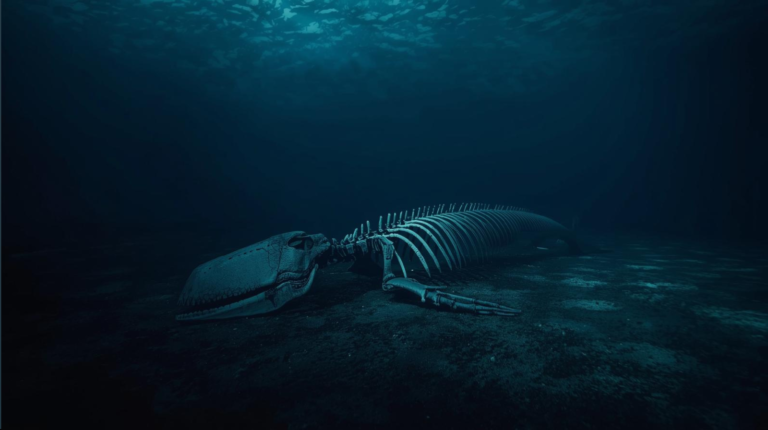
After lowering whale bones into the deep ocean and waiting patiently for nearly a decade, researchers found nothing. No zombie worms. No colonization. No ecosystem revival. The finding has left scientists alarmed — not because the worms are strange, but because of what their disappearance means.
What Are Zombie Worms — And Why Do They Matter?
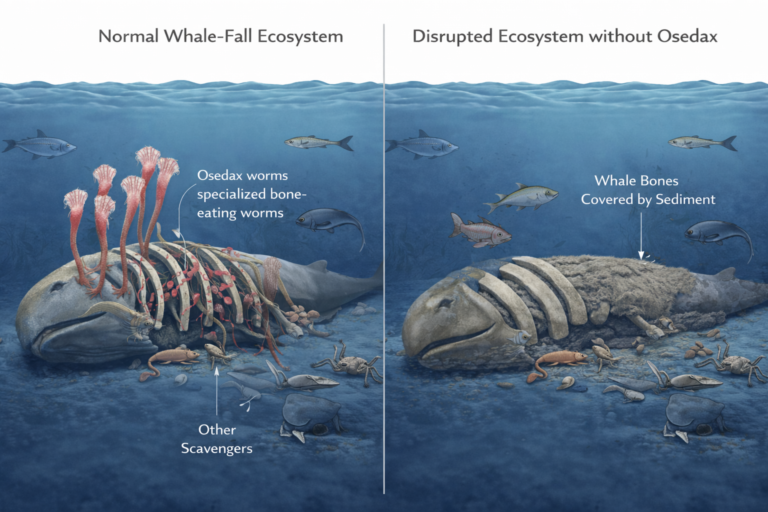
Zombie worms (Osedax) are extraordinary deep-sea organisms that feed on whale bones. They lack mouths and digestive systems. Instead, they rely on symbiotic bacteria to extract nutrients directly from bone.
This process is essential. Zombie worms act as ecosystem engineers, accelerating the breakdown of whale remains and enabling dozens of other species to thrive in what’s known as a whale-fall ecosystem.
Without them, whale skeletons become biological dead zones.
The Experiment That Changed Everything
Researchers from the University of Victoria lowered whale bones into the deep ocean expecting zombie worms to appear within months. Historically, these worms colonize whale falls rapidly.
But ten years later, the bones remained untouched.
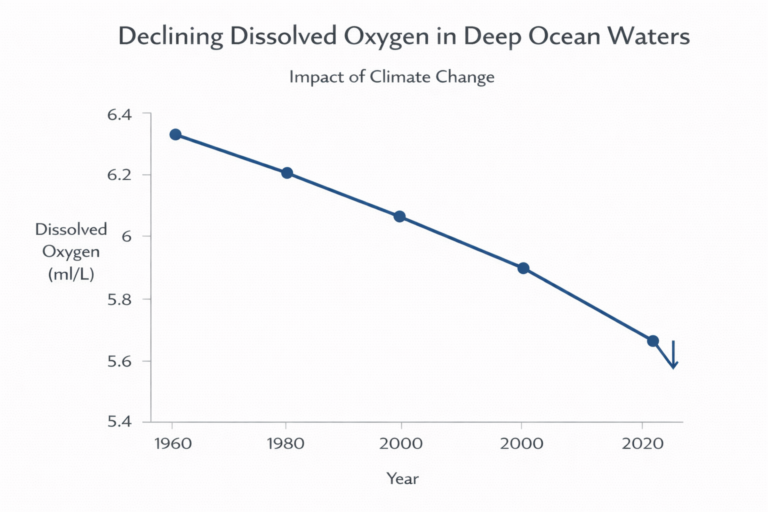
According to findings summarized by ScienceDaily, the absence of zombie worms coincided with low-oxygen waters in the region — a condition increasingly linked to climate change and ocean warming.
According to ScienceDaily and the University of Victoria, declining oxygen levels may be preventing these organisms from surviving at all.
Long-term oxygen decline may be disrupting deep-sea life critical to whale-fall ecosystems.
Oxygen Loss: The Hidden Climate Crisis
Climate change doesn’t only warm the surface of the planet. It silently reshapes oceans from within.
The discovery that zombie worms missing from these whale-fall sites may be linked to oxygen loss has serious implications
Warmer waters hold less oxygen. Stratification prevents surface oxygen from reaching deeper layers. Over time, vast underwater regions turn hypoxic — inhospitable to complex life.
Zombie worms, once resilient, may now be among the first casualties of this invisible transformation.
This mirrors a broader pattern seen across ecosystems — a theme explored in our analysis of how invisible systems collapse before society notices, discussed earlier in our piece on AI quietly changing human behavior.
When Whale-Fall Ecosystems Collapse
A whale fall is not a single event. It unfolds in stages:
Scientists aren’t certain. If oxygen levels stabilize, zombie worms may return. But if hypoxic zones continue expanding, whale-fall ecosystems could vanish permanently in some regions.
The deep ocean, once thought immune to surface-level climate disruption, is proving far more vulnerable than expected.
Conclusion: A Message From the Ocean Floor
Zombie worms are not charismatic. They don’t trend on social media. But their disappearance tells a story more urgent than many headlines.
If zombie worms missing from deep-sea ecosystems becomes the norm, entire whale-fall food chains could collapse.
It is a reminder that climate change does not announce itself loudly. It erodes systems quietly — until recovery becomes impossible.
The deep ocean has sent a warning. Whether we listen is still an open question.
We use cookies to ensure that we give you the best experience on our website. If you continue to use this site we will assume that you are happy with it.