
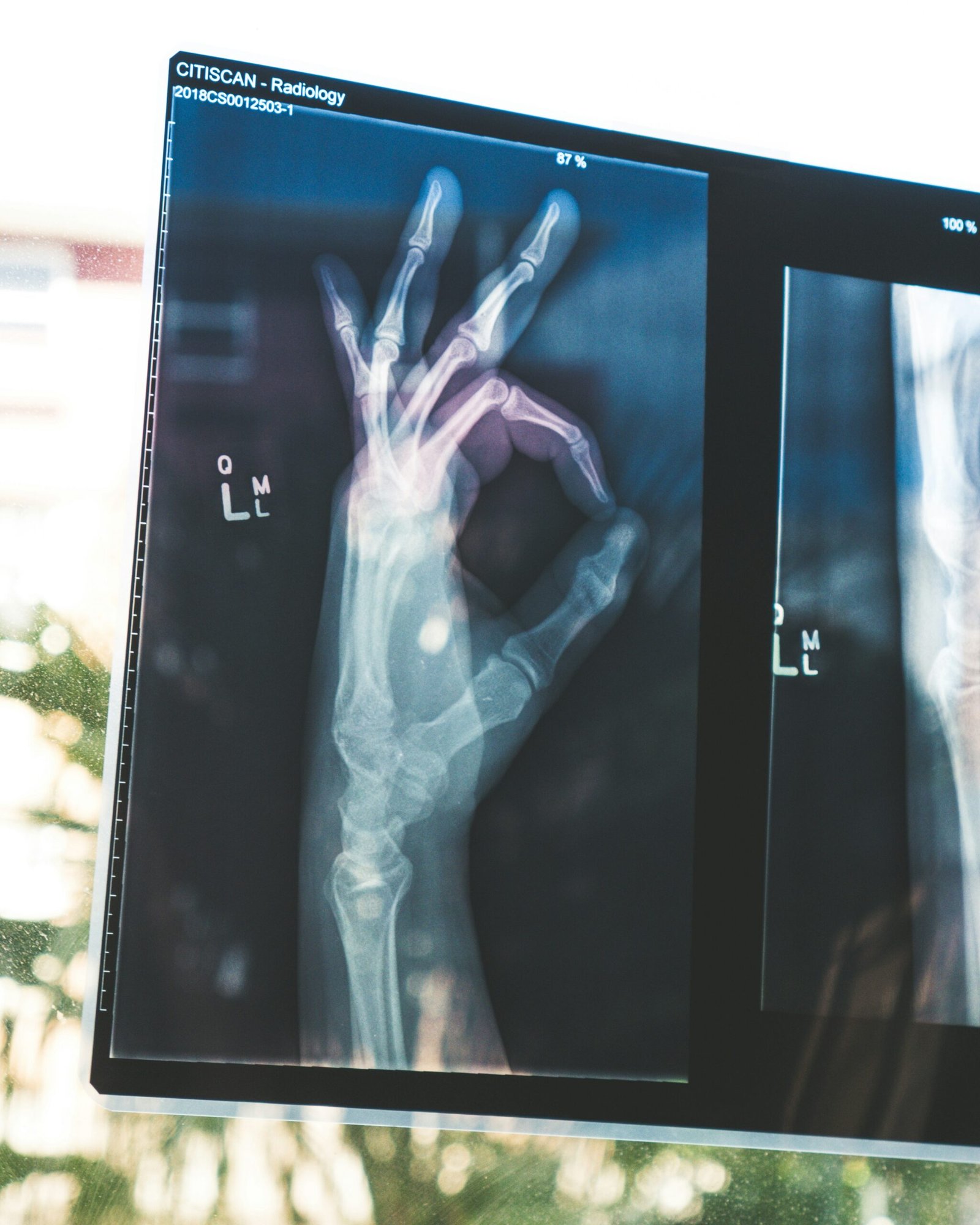
study reveals inaccurate advice —
Introduction
📚 Further Reading
📚 Related:
AI safety treatyAI’s impact on societycultural differences in AIprotecting children’s digital identity
The integration of artificial intelligence (AI) into the medical field has garnered considerable attention in recent years, particularly as hospitals and healthcare systems increasingly incorporate advanced algorithms into their diagnostic processes. A recent study conducted by the Radiological Society of North America sheds light on the implications of AI advice in medical diagnostics, particularly as these technologies become more prevalent in guiding treatment decisions. As radiologists and physicians become increasingly reliant on AI-assisted tools for interpretation and analysis, the need to critically evaluate the accuracy and reliability of these recommendations emerges as a key concern.
The study highlights the potential risks associated with the adoption of AI algorithms in the diagnostic workflow. While AI technologies offer promising solutions, including enhanced image analysis and workflow efficiency, their inaccuracies can lead to critical misdiagnoses if not properly contextualized by experienced healthcare professionals. The findings underscore a growing need to balance the benefits of AI with the potential pitfalls of over-reliance on these systems, which can inadvertently undermine clinical judgment.
Furthermore, the interaction between radiologists and AI decision-making systems raises questions about how algorithmic errors might impact diagnostic outcomes. As AI continues to evolve and its applications expand, radiologists and physicians must remain vigilant and preserve their evaluative competencies. The implications of the study suggest that while AI can serve as a supportive tool, it should not replace human expertise in interpreting diagnostic data. This introduction sets the stage for a deeper exploration of the study’s findings and the broader implications for healthcare practices, emphasizing the critical balance needed in the relationship between human professionals and AI technology in medical diagnostics.
You may also explore our analysis on agentic AI systems and the rise of autonomous decision-making technologies.
The Risks of Over-Reliance on AI in Diagnostics
The incorporation of artificial intelligence (AI) in medical diagnostics has the potential to revolutionize healthcare by enhancing the speed and accuracy of diagnoses. However, the increasing reliance on AI technologies poses significant risks that cannot be overlooked. One of the primary concerns is the possibility of clinicians placing undue trust in AI-generated recommendations, potentially compromising patient care. While AI systems are designed to assist healthcare professionals in interpreting medical images and patient data, an over-reliance on these systems can lead to detrimental outcomes.
Several case studies illustrate the hazards associated with an excessive dependence on AI. For instance, there have been instances where radiologists utilized AI tools to detect abnormalities in medical imaging but failed to apply their own clinical judgment regarding the context of the findings. In one notable case, an AI system flagged a suspicious lesion that was later deemed benign by the attending physician after a thorough examination. The practitioner’s reliance on AI misled them to consider the AI advice as absolute, bypassing the comprehensive assessment of the patient’s history and condition. Such scenarios highlight the crucial need for healthcare professionals to maintain an active role in diagnostics, continually utilizing their expertise alongside AI insights.
Moreover, reliance on AI could lead to diagnostic errors arising from the limitations of the technology itself. AI systems are often trained on specific datasets, which may not encompass the full spectrum of conditions faced in diverse populations. Consequently, there is a risk of misinterpretations when AI technologies encounter novel or rare cases outside their training parameters. The importance of human judgment in these scenarios cannot be overstated; clinicians must be equipped to question and verify AI recommendations rather than accepting them uncritically.
We previously discussed the broader impact of artificial intelligence in our article on AI investment trends and return on investment across industries.
Key Findings of the Study
Recent research has unequivocally demonstrated the profound impact that inaccurate AI advice can have on medical diagnoses. This study was conducted with a focus on understanding how AI influences physician decision-making processes. The methodology employed involved a controlled environment where physicians were presented with various medical scenarios, accompanied by AI-generated suggestions. The reactions and decisions made by the physicians were meticulously documented to assess the extent to which they relied on AI advice, particularly when it contradicted their clinical instincts.
One significant finding from the study revealed that a considerable percentage of physicians altered their diagnostic considerations based on inaccurate AI recommendations. Specifically, it was found that nearly 30% of physicians changed their initial diagnosis after receiving guidance from the AI system, despite the evidence suggesting that the AI-generated advice was erroneous. This highlights a concerning trend where medical practitioners, who are generally well-trained and experienced, allow AI tools to dictate their decisions even in the presence of conflicting data.
The implications of these findings are substantial. When practitioners place undue trust in flawed AI advice, patients may receive incorrect diagnoses and, subsequently, inappropriate treatment. The ramifications of misdiagnosis can be severe, potentially leading to adverse health outcomes. As the study emphasizes, it is vital for healthcare professionals to critically evaluate AI-generated suggestions, integrating them as supportive tools rather than definitive guides.
Furthermore, ongoing training and education regarding AI systems are necessary to enhance physicians’ critical thinking skills. This will empower healthcare providers to discern when to rely on AI tools and when to trust their expertise. The integration of AI into healthcare settings should prioritize improving patient outcomes while maintaining diagnostic accuracy.
For further insights into AI research in medical imaging, visit Radiological Society of North America (RSNA).
The Importance of Critical Thinking
In an era where artificial intelligence (AI) increasingly plays a role in medical diagnostics, the importance of critical thinking among healthcare professionals cannot be overstated. While AI tools offer impressive capabilities, they are not infallible; thus, practitioners must possess strong analytical skills to evaluate and corroborate the suggestions provided by these technologies. The reliance solely on AI-generated recommendations can lead to oversights, misdiagnoses, and ultimately, adverse patient outcomes.
Critical thinking enables healthcare providers to objectively analyze diagnostic results and consider various factors influencing a patient’s health. This skill allows professionals to question the AI’s recommendations and contemplate alternative diagnoses or treatment plans. Fostering critical thinking can be approached through various training methods, such as continuous education workshops, simulation-based learning, and collaborative case discussions that mimic real-world scenarios.
Moreover, healthcare professionals can benefit from maintaining a solid understanding of the limitations of AI tools. Knowing the contexts in which these systems excel—and where they may falter—permits practitioners to intervene effectively. For instance, practitioners should remain vigilant regarding data quality, potential biases in AI algorithms, and the evolving nature of healthcare data. Being aware of these elements enables them to challenge AI outputs and ensure that their clinical judgments are not unduly influenced by technology.
Lastly, cultivating open communication channels within healthcare teams is essential. Promoting dialogue regarding AI’s role and its impact on diagnostic processes can create a more collaborative environment where practitioners feel empowered to voice concerns and insights. In summary, equipping healthcare professionals with robust critical thinking skills is pivotal in achieving a balance between human expertise and AI assistance, ultimately leading to improved patient care and outcomes.
Additional information about artificial intelligence in healthcare can be found at National Institutes of Health – Artificial Intelligence Research.
Balancing AI Assistance and Medical Expertise
The rise of artificial intelligence (AI) in healthcare has prompted a shift in how medical professionals approach diagnosis and treatment. While AI can offer substantial assistance through data analysis and pattern recognition, it is crucial to strike a balance between leveraging this technology and maintaining the fundamental role of human expertise in medical decision-making. One effective strategy is to incorporate enhanced training programs for healthcare professionals that focus on the collaborative use of AI tools.
Medical training programs should emphasize a comprehensive understanding of AI capabilities and limitations. This can be achieved by integrating specific modules within existing curricula that examine the ethical implications and potential biases of AI algorithms. By fostering a critical mindset, healthcare professionals will be better equipped to evaluate AI-generated recommendations within the context of their own medical knowledge and clinical experience. Such an approach encourages a collaborative model where AI acts as a supportive tool, promoting enhanced diagnostic accuracy rather than serving as the primary decision-maker.
Additionally, successful examples of AI integration in clinical practice can serve as a valuable reference for training programs. For instance, in some major hospitals, AI-driven systems have been employed to assist radiologists in identifying anomalies in medical imaging more efficiently. Such systems can analyze vast datasets quickly, offering preliminary insights that may help streamline workflow; however, the ultimate diagnosis still rests with human specialists who interpret the findings. By showcasing these real-world scenarios, training programs can demonstrate the efficacy of a collaborative approach to diagnosis, reinforcing the idea that AI is a complement to human expertise rather than a replacement.
Overall, establishing a balanced interplay between AI assistance and medical expertise is essential. This not only enhances the quality of patient care but also empowers healthcare professionals to utilize AI tools effectively, ensuring that informed decisions are grounded in both technology and human oversight.
Our analysis on how AI technologies are transforming digital industries further explores the broader implications of AI adoption.
Exploring AI’s Evolution
Artificial Intelligence (AI) has made significant strides in the healthcare sector over the past few decades. Initially, AI applications in healthcare primarily focused on administrative tasks, such as patient record management and scheduling. However, advancements in machine learning, natural language processing, and data analytics have led to more sophisticated AI solutions that assist in clinical diagnostics, treatment recommendations, and patient monitoring.
One notable evolution in AI technology is the development of algorithms capable of processing vast datasets, including medical imaging and electronic health records. These tools analyze patterns and correlations within data that may not be immediately apparent to human practitioners. For instance, AI systems have been deployed to interpret radiology images, identifying anomalies such as tumors or fractures with increasing accuracy. As studies show, these enhancements have the potential to support healthcare professionals in making more informed decisions, thus improving patient outcomes.
Despite these advancements, the accuracy and reliability of AI in diagnostics remain a concern. Many AI models are trained on limited datasets, which can lead to biased or erroneous advice. This emphasizes the importance of continuous improvements in AI algorithms. Regular updates and diverse training data are essential to mitigate the risk of inaccuracies in AI-generated medical advice. Collaboration between healthcare professionals and data scientists is crucial in refining these technologies to ensure that they serve as reliable tools in the diagnostic process.
The ongoing evolution of AI in healthcare also faces ethical considerations, such as accountability for misdiagnoses stemming from AI recommendations. Stakeholders must address these challenges to foster trust in AI applications while ensuring compliance with regulatory standards and enhancing patient safety. As AI continues to evolve, its role in medical diagnostics will undoubtedly expand, highlighting the need for a commitment to its responsible development.
You may also find our article on AI agents replacing traditional software systems useful for understanding how intelligent automation is evolving.
Recommended Reads on AI in Healthcare
For those looking to delve deeper into the intersection of artificial intelligence and healthcare, an array of insightful literature is available. These curated recommendations provide valuable information on how AI can enhance medical practices, improve outcomes, and shape the future of healthcare delivery.
One notable title is “Artificial Intelligence in Healthcare: How AI is Changing the Way You Make Decisions” by Parashar Shah. This book elucidates various applications of AI in clinical settings, highlighting its potential to assist healthcare professionals in making more informed diagnoses and treatment decisions. It serves as a comprehensive guide that explores the integration of machine learning algorithms and data analytics in daily healthcare practices.
Another essential read is “Deep Medicine: How Artificial Intelligence Can Make Healthcare Human Again” by Eric Topol. Topol argues that AI not only has the capability to process vast amounts of medical data but can also foster a more humanistic approach to patient care. His work critically analyzes the ethical implications of AI technologies while suggesting that their integration could lead to more personalized healthcare, ultimately benefiting both practitioners and patients.
For those interested in the challenges and opportunities of AI implementation, “The AI Revolution in Medicine: How Artificial Intelligence and Machine Learning are Changing the Healthcare Landscape” by Ziad Obermeyer and others provides a crucial perspective. This book examines various AI tools that are currently being utilized in medical diagnostics and highlights the potential pitfalls to avoid. The authors’ focus on practical applications in clinical environments makes it an indispensable resource for healthcare professionals aiming to stay current with technological advancements.
Lastly, “AI and the Future of Medicine: How Artificial Intelligence Will Revolutionize Healthcare for Good” by Lee W. H. Hsu offers a forward-looking analysis of the potential of AI technologies. Hsu underscores the vital role that AI can play in improving diagnostic accuracy and optimizing treatment plans, making it an inspiring read for anyone interested in how AI could transform the healthcare landscape.
These recommended books serve as excellent resources for understanding the multifaceted relationship between AI and healthcare, emphasizing both the advancements and the ethical considerations that accompany such technological developments.
Encouraging Reader Engagement
The evolution of artificial intelligence (AI) has initiated profound changes in various sectors, particularly in healthcare. As AI systems become increasingly integrated into medical diagnoses, it is crucial to consider their reliability and the implications of their inaccuracies. We invite our readers to delve into this topic and share their perspectives on the role of AI in the medical field. By engaging in dialogue, individuals can contribute to a broader understanding of the balance between technological assistance and human expertise in healthcare.
AI’s capabilities in processing vast amounts of data can often provide insights that may not be immediately apparent to human practitioners. However, the risk of inaccurate AI advice can have significant repercussions on patient care and treatment outcomes. Thus, it begs the question: should healthcare professionals feel confident relying on AI tools, or should they prioritize their medical expertise when making diagnoses? Readers are encouraged to reflect on this critical issue and express their thoughts in the comments section. Your diverse experiences and opinions are invaluable in shaping a comprehensive view of this dynamic interplay between technology and medicine.
Moreover, sharing personal anecdotes regarding the integration of AI in your medical experiences or observations can foster a rich exchange of ideas. Have you encountered situations where AI influenced a diagnosis? Did it alleviate the burden on healthcare providers or introduce a sense of uncertainty? Engaging in such discussions not only enriches our community but also highlights the importance of collaboration between AI systems and healthcare professionals. Your contributions can help inform practices and policies that better serve patients while acknowledging both the opportunities and challenges posed by emerging technologies. Together, let us explore how we can shape a future where AI enhances, rather than compromises, patient care quality.
Conclusion
In closing, the examination of AI’s role in medical diagnostics underscores significant insights regarding the accuracy of AI-generated recommendations. The study reveals that while artificial intelligence can offer valuable assistance in analyzing vast amounts of medical data, it is not without limitations. Instances of inaccurate AI advice can adversely affect medical diagnoses, leading to potential harm to patients. This highlights the necessity for healthcare professionals to maintain a robust balance between leveraging AI technologies and incorporating their clinical expertise.
As the healthcare landscape continues to evolve with advancements in artificial intelligence, it is essential for medical practitioners to engage in ongoing professional development. This pursuit of knowledge not only helps in understanding the nuances of AI tools but also reinforces critical thinking skills that are vital in evaluating AI outputs. The integration of AI in medicine should complement, rather than replace, human judgment and experience. In this context, healthcare experts must be vigilant in deliberating AI-generated information while remaining committed to patient-centered care.
Moreover, the implications of increasingly relying on AI technologies for medical diagnoses pose ethical questions that warrant reflection among healthcare providers. The future of AI in medicine might offer exciting possibilities, yet it also necessitates a conscientious approach to ensure patient safety remains paramount. As we navigate this AI-driven era, it is imperative for all stakeholders—clinicians, technologists, and patients alike—to ponder how these innovations will shape the quality of care and the overall patient experience in the years to come.