
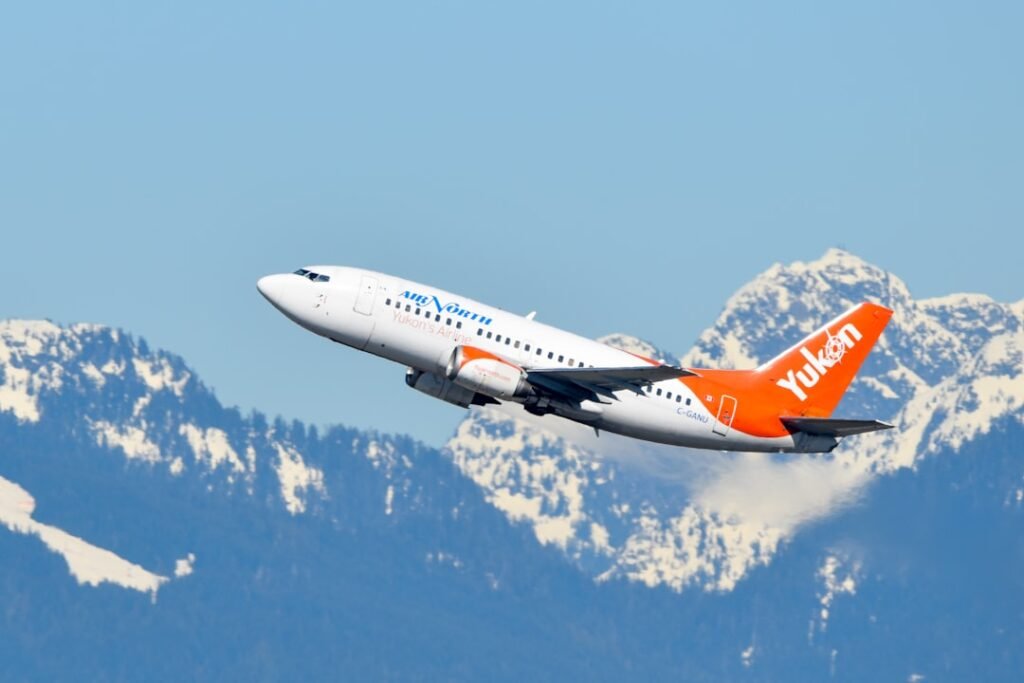
The UK government has introduced new plans allowing airlines to proactively implement Airlines Fuel Shortage Cancellations well in advance, a significant policy shift aimed at mitigating last-minute travel chaos for passengers. This move, driven by concerns over volatile Middle East fuel supplies and broader geopolitical instability, marks a pivot towards pre-emptive disruption management rather than reactive crisis control. For an industry perennially challenged by razor-thin margins and complex logistics, this policy underscores the critical need for enhanced supply chain intelligence and foresight in an increasingly unpredictable global energy landscape, pushing the boundaries of operational resilience.
35%
Global aviation fuel sourced from the Middle East
£500M
Estimated annual cost of last-minute disruptions to the UK economy
72 hrs
Minimum advance notice for passengers under new proactive cancellation plans
The Geopolitical Crucible: Why Aviation Fuel Supplies are Precarious
Global aviation operates on a finely tuned yet highly vulnerable energy supply chain. A significant portion of jet fuel originates from the Middle East, a region frequently at the epicentre of geopolitical tensions. Conflicts, sanctions, and blockades, such as those impacting shipping routes through the Red Sea, can have immediate and cascading effects on global oil prices and supply availability. Beyond geopolitics, factors like climate policy, which influences refinery investments, and unforeseen infrastructure failures further complicate the picture. The aviation sector’s dependence on this complex web means that even minor shocks can translate into significant operational hurdles, leading to fuel scarcity at key hubs and necessitating difficult decisions. For instance, recent analyses by Reuters have highlighted the persistent fragility of global oil markets, underscoring the systemic risks faced by energy-intensive industries like aviation.
This inherent precarity makes proactive measures, however unpalatable, an increasingly logical consideration for governments and airlines alike. The goal is to move beyond reacting to immediate crises and instead build systems that can anticipate and buffer against future shocks. This requires a deeper integration of geopolitical intelligence with logistical planning, a domain where advanced analytics and AI can play a transformative role in identifying potential bottlenecks and proposing alternative strategies before they escalate into widespread disruption.
Proactive Disruption: The Logic Behind Advance Airlines Fuel Shortage Cancellations
The UK government’s new framework, permitting advance Airlines Fuel Shortage Cancellations, represents a strategic shift from reactive chaos to managed disruption. Historically, airlines faced immense pressure to operate flights even when fuel supplies were uncertain, often resulting in last-minute cancellations, stranded passengers, and significant financial penalties. This new approach allows carriers to make informed decisions earlier, providing passengers with more time to rebook or adjust their plans, thereby reducing the immediate human and economic cost of unexpected disruptions. From an airline’s perspective, early cancellations mean better resource allocation – avoiding the costly repositioning of aircraft, managing crew schedules more efficiently, and reducing the financial burden of compensation for last-minute changes.
However, this policy also introduces complex ethical considerations. The ability to proactively cancel flights, even with advance notice, places significant power in the hands of airlines. This necessitates robust oversight and transparency to ensure that such decisions are made based on genuine supply chain risks and not for opportunistic reasons. The lessons learned from discussions around AI ethics and corporate accountability in other sectors are highly relevant here, ensuring that powerful predictive models, if used to inform these decisions, are transparent, fair, and ultimately serve the broader public interest while maintaining operational integrity.
The Data Imperative: AI and Aviation Resilience
In an era defined by data proliferation, the aviation industry stands to gain immensely from advanced analytics and artificial intelligence. The ability to forecast supply chain shocks, optimize fuel procurement, and model operational impacts is no longer a luxury but a strategic imperative. AI algorithms can process vast datasets – from geopolitical intelligence and weather patterns to real-time shipping data and refinery outputs – to predict potential fuel shortages with far greater accuracy than traditional methods. This predictive capability allows airlines to make more informed decisions about Airlines Fuel Shortage Cancellations, route adjustments, and fuel hedging strategies. Machine learning models can identify subtle correlations and leading indicators of disruption, enabling airlines to diversify their fuel sources, negotiate better terms, and even pre-position fuel at critical hubs.
Beyond prediction, AI can optimize every facet of the supply chain, from managing inventory levels at airports to dynamic route planning that minimizes fuel consumption or avoids high-risk areas. As highlighted by MIT Technology Review, AI’s role in logistics and supply chain management is rapidly evolving, offering unprecedented levels of efficiency and resilience. By leveraging these technologies, airlines can transform a reactive and vulnerable supply chain into a proactive, adaptive system capable of absorbing shocks and maintaining operational continuity, even in the face of global turbulence.
| Quarter | Average Jet Fuel Price ($/barrel) | Airline Operational Cost Increase (%) | Fuel-Related Disruptions (Hypothetical) |
|---|---|---|---|
| Q1 2025 | 92 | +8% | Low (2-3 minor delays) |
| Q2 2025 | 115 | +22% | Medium (10+ delays, 2-3 cancellations) |
| Q3 2025 | 105 | +15% | Low-Medium (5-7 delays) |
| Q4 2025 | 128 | +28% | High (Multiple cancellations, significant delays) |
“This policy shift is a stark acknowledgement of the complex, interconnected risks facing global aviation. While disruptive in the short term, it underscores an urgent need for airlines to invest in advanced predictive intelligence and diversified supply chains, moving beyond reactive measures to truly resilient operations.”
— Dr. Anya Sharma, Head of Aviation Analytics, Global Logistics Institute
Beyond the Horizon: Future-Proofing Air Travel in 2026 and Beyond
Looking ahead to 2026 and beyond, the aviation sector must evolve beyond simply managing disruptions to actively future-proofing its operations. This involves a multi-pronged strategy that includes robust investment in Sustainable Aviation Fuels (SAF), which offer a pathway to reduced reliance on fossil fuels and diversification of energy sources. However, the transition to SAF is a long-term endeavor, requiring massive infrastructure investment and technological advancement. In the interim, optimizing existing fuel logistics through advanced analytics, developing dynamic contingency plans for alternative supply routes, and fostering greater collaboration between airlines, fuel suppliers, and governments will be paramount. Just as the JWST biosignature discovery pushes the boundaries of our understanding of the universe, so too must the aviation industry push the boundaries of its operational intelligence, embracing predictive models that can anticipate and mitigate systemic risks inherent in global travel.
Ultimately, the UK’s new policy on Airlines Fuel Shortage Cancellations is not just about avoiding immediate chaos; it’s a stark reminder that the future of air travel hinges on resilience. This resilience will be built on a foundation of cutting-edge data science, geopolitical acumen, and a commitment to continuous innovation in supply chain management. Airlines that embrace these principles will not only navigate future challenges more effectively but will also build stronger trust with passengers by offering more predictable and reliable travel experiences.
🤖
AI-Driven Supply Chain Intelligence
Leveraging machine learning to predict fuel price fluctuations, supply disruptions, and optimize procurement strategies for enhanced resilience.
🌍
Geopolitical Risk Modeling
Using data analytics to assess regional instability and its potential impact on critical energy routes and global supply chains.
🌱
Sustainable Aviation Fuels (SAF)
Exploring and investing in alternative, greener fuel sources to reduce long-term dependence on volatile fossil fuel markets.
✈️
Operational Optimization & Contingency
Implementing AI for dynamic route planning, fleet management, and developing robust contingency plans for unexpected supply chain disruptions.
← Scroll to explore →
🚀 How A Square Solutions Can Help
Turn This Intelligence Into Business Growth
We build AI-powered digital growth systems that turn emerging intelligence into revenue — through SEO automation, content systems, web infrastructure, and analytics.
📢 Business advertising partnerships available — reach our growing audience of tech decision-makers. Get in touch.
Frequently Asked Questions
What prompted this new policy for airlines regarding fuel shortages?
The policy was prompted by concerns over volatile global energy markets, particularly those influenced by Middle East fuel supplies and geopolitical instability. Ministers hope it will help avoid last-minute flight cancellations for passengers by allowing airlines to make proactive adjustments.
How will passengers be affected by advance Airlines Fuel Shortage Cancellations?
While still disruptive, advance cancellations aim to provide passengers with more notice (e.g., 72 hours minimum) compared to last-minute changes. This allows more time for rebooking, alternative travel arrangements, and reduces the stress and financial burden associated with unexpected, immediate disruptions.
What role can technology play in preventing future fuel-related disruptions?
AI and advanced analytics are crucial. They can predict supply chain shocks, optimize fuel procurement, model operational impacts, and enable real-time data analysis for demand forecasting and route optimization, transforming reactive systems into proactive, resilient ones.
Is this policy a long-term solution or a stop-gap measure?
This policy is primarily a pragmatic stop-gap measure to manage immediate risks. A long-term solution requires deeper systemic changes, including investment in Sustainable Aviation Fuels (SAF), diversification of energy sources, and widespread adoption of AI-driven supply chain resilience strategies across the industry.
References: BBC News | Reuters | MIT Technology Review