
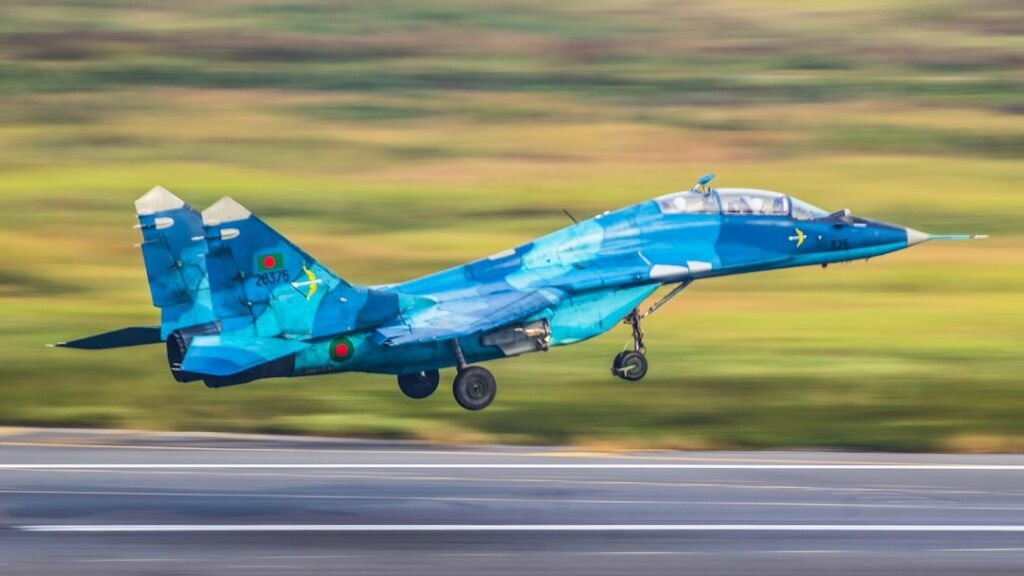
The recent confirmation of Russian fighters withdrawing from Kidal, northern Mali, marks a pivotal moment in the nation’s protracted conflict, significantly escalating existing Mali geopolitical instability. This strategic retreat, followed by the immediate assertion of control by ethnic Tuareg fighters amidst nationwide attacks, underscores a complex interplay of internal dynamics and external power vacuums. With the departure of yet another international security actor, the Sahel region faces a precarious recalculation of power, influence, and the persistent threat of extremist expansion. Our analysis delves into the ripple effects of this withdrawal, examining the evolving security landscape and the imperative for sophisticated intelligence in navigating such volatile environments.
2023
Year of Russian fighter withdrawal from Kidal
10+
Years of conflict in Mali since 2012 coup
13,000+
Peak UN peacekeepers (MINUSMA) in Mali
The Kidal Withdrawal: A New Chapter in Mali’s Complex Conflict
The strategic city of Kidal, long a stronghold for Tuareg separatists in northern Mali, has once again shifted hands, this time from Russian-affiliated forces back to the ethnic Tuareg fighters. This development is more than a mere territorial change; it signifies a profound recalibration of power dynamics in a region already grappling with widespread insecurity. The withdrawal of Russian elements, reportedly part of a broader re-evaluation of their engagement in the Sahel, leaves a significant security vacuum that local and regional actors are now scrambling to fill. The implications for civilian protection, humanitarian access, and the overall stability of Mali are immediate and severe, potentially exacerbating existing ethnic tensions and resource competition.
The timing of this withdrawal, alongside ongoing nationwide attacks by various armed groups, suggests a coordinated effort to capitalize on the perceived weakness of the Malian state and its foreign partners. For businesses operating or considering investments in West Africa, understanding these fluid geopolitical shifts is paramount. The ability to predict and react to such events is increasingly reliant on advanced intelligence gathering and analysis, moving beyond traditional news cycles to predictive models. The digital footprint of these conflicts, from social media narratives to encrypted communications, offers a rich, albeit complex, dataset for those equipped to process it. Just as Google AI Overviews impact on traffic by reshaping information access, these geopolitical shifts redefine operational landscapes for international entities.
Geopolitical Vacuum: The Sahel’s Shifting Sands
The current situation in Kidal is a culmination of a series of international withdrawals from Mali. French forces, present for nearly a decade, completed their pullout in 2022, followed by the ongoing drawdown of the United Nations Multidimensional Integrated Stabilization Mission in Mali (MINUSMA). Each departure has created a void, progressively weakening the state’s capacity to assert control over its vast, often ungoverned, territories. The entry of Russian-affiliated groups was initially framed as a solution to this security deficit, yet their recent exit from a critical northern hub indicates either a failure to stabilize the region or a strategic repositioning of Moscow’s broader African ambitions. This pattern of external actors entering and exiting, often leaving more complex situations in their wake, highlights the challenges of external intervention in deeply rooted internal conflicts.
The Sahel, a region already contending with climate change, poverty, and weak governance, is now a crucible of converging crises. The shifting allegiances and territorial control among armed groups, coupled with the absence of robust state presence, create fertile ground for radical ideologies and illicit economies. This instability is not confined to Mali’s borders; it threatens to spill over into neighboring Burkina Faso, Niger, and beyond, potentially destabilizing the entire West African sub-region. The international community’s response to this escalating crisis has been fragmented, often driven by national interests rather than a cohesive regional strategy. For entities tracking global risks, this necessitates a granular understanding of local dynamics combined with a panoramic view of regional and international influences.
The Nexus of Instability: Separatists, Islamists, and Regional Spillover
The complexity of the Malian conflict is amplified by the diverse motivations and shifting alliances among non-state armed groups. On one hand, ethnic Tuareg separatists, organized under various banners, seek greater autonomy or outright independence for the northern regions, a historical aspiration rooted in colonial legacies and perceived marginalization. Their recent success in Kidal provides a significant psychological and strategic boost to their cause. On the other hand, Islamist extremist groups, including affiliates of Al-Qaeda and Islamic State, exploit governance vacuums and local grievances to expand their territorial control and ideological influence, often clashing with both state forces and separatist movements. The lines between these groups can sometimes blur, with tactical alliances forming and dissolving based on immediate objectives.
This volatile mix poses an existential threat to the Malian state and a severe security challenge to the broader Sahel. The lack of effective state control allows these groups to operate with relative impunity, engaging in illicit trade, recruitment, and cross-border attacks. The humanitarian consequences are dire, with millions displaced and facing acute food insecurity. From a geopolitical standpoint, the Sahel’s increasing instability offers new battlegrounds for proxy conflicts and a breeding ground for global terrorism. Understanding the nuances of these non-state actors and their evolving strategies requires continuous, high-fidelity intelligence. The advancements detailed in the Stanford AI Index 2026, particularly concerning AI’s role in defense and intelligence, highlight the growing capacity for sophisticated threat assessment, a capability crucial for navigating such complex environments.
Economic Repercussions and Global Supply Chains
The deepening Mali geopolitical instability carries significant economic ramifications, extending far beyond its borders. Mali is a major gold producer, and the wider Sahel region holds considerable reserves of other critical minerals, including uranium. Persistent conflict disrupts mining operations, deters foreign investment, and complicates supply chain logistics. For global industries reliant on these resources, the instability translates into increased risk premiums, potential supply shortages, and heightened scrutiny of ethical sourcing. Trade routes, both formal and informal, are jeopardized, impacting regional economies and exacerbating poverty, which in turn fuels further radicalization and conflict.
Furthermore, the displacement of populations and the breakdown of agricultural systems due to insecurity undermine food security and economic productivity. International development efforts are hampered, and humanitarian aid becomes more challenging and dangerous to deliver. Businesses with any exposure to the region, whether through direct operations, supply chain dependencies, or investment portfolios, must factor in these escalating risks. The ability to model potential scenarios, assess political and security risks quantitatively, and adapt operational strategies becomes a competitive differentiator in such volatile markets. This demands a proactive, data-driven approach to geopolitical intelligence, moving beyond reactive analysis to predictive foresight.
| Actor | Status in Kidal (2023) | Key Role/Objective |
|---|---|---|
| Russian-Affiliated Fighters | Withdrawn | Security provision, influence projection |
| Ethnic Tuareg Fighters | In Control | Regional autonomy, self-determination |
| French Forces | Withdrawn (2022) | Counter-terrorism, regional stability |
| UN MINUSMA | Withdrawing | Peacekeeping, civilian protection |
“The departure of external security providers, whether state-backed or private, invariably creates a power vacuum. In contexts like Mali, this vacuum is rarely benign, often inviting a more complex and violent reordering of local power structures. Businesses and policymakers must understand that such withdrawals are not endpoints but rather catalysts for new phases of instability, requiring adaptive strategies built on real-time, granular intelligence.”
— Dr. Anya Sharma, Geopolitical Risk Analyst, Horizon Institute
Predictive Intelligence in a Volatile World
In an era defined by rapid geopolitical shifts and the increasing prominence of non-state actors, traditional methods of risk assessment are often insufficient. The situation in Mali exemplifies the need for advanced analytical capabilities that can synthesize vast amounts of disparate data – from open-source intelligence and satellite imagery to economic indicators and social sentiment – to generate actionable foresight. Businesses can no longer afford to be reactive; proactive intelligence is essential for identifying emerging threats, understanding their potential impact, and developing resilient strategies.
AI and machine learning are transforming this landscape, enabling the processing of complex information at scale and speed previously unimaginable. From predicting supply chain disruptions to modeling conflict escalation scenarios, these technologies provide a critical edge. For companies navigating regions marked by Mali geopolitical instability or similar challenges, investing in such capabilities is not just a strategic advantage but a fundamental requirement for survival and growth. The ability to parse through noise and identify signals of impending change can mean the difference between mitigating risk and suffering significant losses. This is where specialized intelligence firms, leveraging cutting-edge AI, offer invaluable support.
🌍
Kidal’s Strategic Importance
A historical stronghold for Tuareg separatists, Kidal serves as a critical gateway to the Sahara, influencing control over vast northern territories and trade routes.
🛡️
Mercenary Paradox
While offering short-term security, mercenary deployments often contribute to long-term instability by exacerbating local conflicts and complicating governance.
🔥
Sahelian Contagion Risk
Instability in one Sahelian nation, like Mali, can rapidly spread across borders, creating a domino effect of insecurity, displacement, and economic disruption throughout the region.
🧠
Data-Driven Foresight
Leveraging AI and advanced analytics to process geopolitical data offers businesses critical foresight, enabling proactive risk mitigation and strategic adaptation.
← Scroll to explore →
🚀 How A Square Solutions Can Help
Turn Intelligence Into Business Advantage
We build AI-powered digital growth systems that help businesses in India and globally translate emerging intelligence into revenue — through SEO automation, content systems, web infrastructure, and data analytics.
📢 Also accepting business advertising partnerships — if you want your brand in front of our growing audience of tech decision-makers, get in touch.
Frequently Asked Questions
What is the significance of Kidal in Mali?
Kidal is a historically significant city in northern Mali, serving as a key stronghold for ethnic Tuareg separatist movements. Its control often symbolizes broader power dynamics in the region and is crucial for asserting influence over the vast, resource-rich northern territories and cross-Sahara routes.
Who are the Tuareg fighters in Mali?
The Tuareg fighters are ethnic groups in northern Mali who have historically sought greater autonomy or independence for their traditional homelands. They are organized into various armed groups and have been central to several rebellions against the Malian state since the country’s independence, often clashing with both government forces and Islamist militants.
Why are international forces withdrawing from Mali?
International forces, including French troops and UN peacekeepers (MINUSMA), have been withdrawing from Mali due to strained relations with the Malian transitional government, which has increasingly favored cooperation with Russian-affiliated groups. These withdrawals also reflect evolving strategic priorities and the complex challenges of stabilizing a vast, conflict-ridden region.
How does Mali’s instability impact the broader Sahel region?
Mali’s instability acts as a significant destabilizing factor for the entire Sahel region. It contributes to the spread of extremist ideologies, cross-border attacks, mass displacement, and humanitarian crises in neighboring countries like Burkina Faso and Niger. The lack of effective governance and security in Mali creates a haven for armed groups, threatening regional peace and economic development.